
Understanding Phytic Acid and Its Impact on Mineral Absorption from Grains
Phytic acid is a compound found in grains and seeds that can affect how pets absorb important minerals. Understanding this can help pet parents make better choices for their furry friends’ diets. In this article, we will explore what phytic acid is, its effects on mineral absorption, and how to ensure your pet gets the nutrients they need.
Why This Topic Matters for Pet Parents
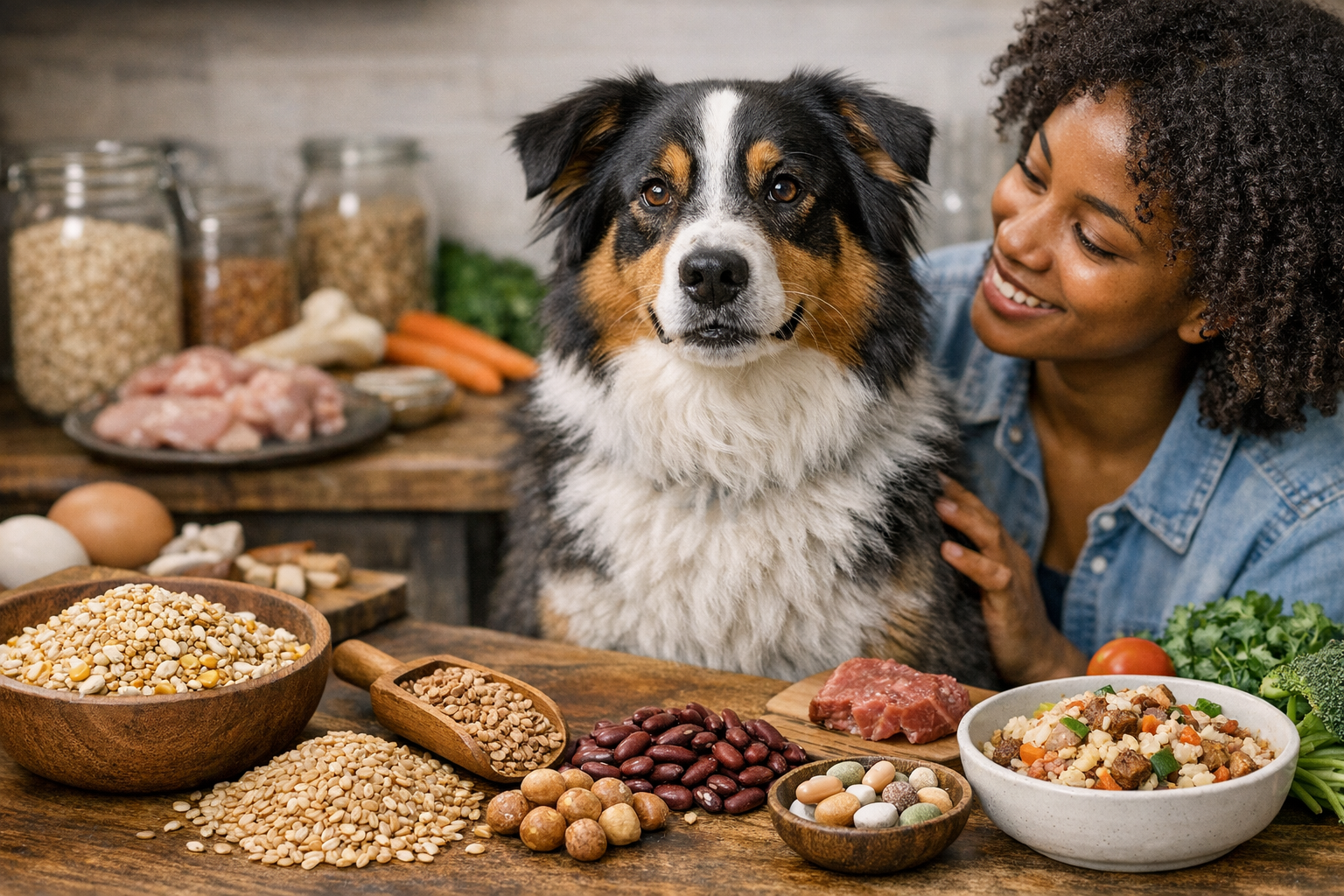
As pet parents, we want the best for our animals. Nutrition plays a huge role in their health. Grains are a common ingredient in pet food, but they contain phytic acid, which can bind to critical minerals such as zinc, iron, and calcium. This means your pet might not be getting all the nutrients they need for a happy and healthy life.
Key Insights
- What is Phytic Acid? A natural substance in grains that can affect mineral absorption.
- Where is it Found? It’s mainly found in seeds, nuts, legumes, and whole grains.
- Mineral Binding: Phytic acid can bind to essential minerals and prevent them from being absorbed by your pet’s body.
- Impact on Health: Low mineral absorption can lead to deficiencies and health issues, including a weakened immune system.
- Cooking Helps: Cooking grains reduces phytic acid levels, making minerals more available.
Expert Tips
As a pet parent, ensuring your pet’s diet is rich in nutrients is essential. Here are some veterinarian-style recommendations:
- Choose Cooked Grains: Look for pet foods that include cooked grains, as they contain less phytic acid.
- Incorporate Variety: Don’t rely solely on grains; include fruits, vegetables, and proteins in their diet.
- Supplement Wisely: If grains are a primary ingredient, consider mineral supplements after consulting with your vet.
- Read Labels: Check for recipes that balance grains and other nutrient sources.
- Monitor Health: Keep an eye on your pet’s coat, energy levels, and overall health. These can be signs of nutrient deficiencies.
Best Products or Treat Types
Look for these non-branded product types to support your pet’s nutrition:
- Cooked Grain Blends: Pet foods that offer a mix of cooked brown rice, quinoa, and oats.
- Freeze-Dried Raw Foods: These maintain nutrients without phytic acid interference.
- Vegetable-Based Treats: Look for treats made from sweet potatoes or carrots, which provide vitamins without phytic acid.
- Quality Proteins: Formulas rich in real meat or fish can enhance nutrient absorption.
- Probiotic Supplements: These can aid digestion and nutrient absorption in pets.
Common Mistakes to Avoid
- Ignoring Ingredients: Not reading pet food labels can lead to poor nutrition choices.
- Over-relying on Grains: Too many grains can lead to imbalances in nutrients.
- Skipping Vet Visits: Regular check-ups can inform you about your pet’s nutritional needs.
- Neglecting Hydration: Adequate water intake is crucial for digestion and nutrient absorption.
FAQs
1. What is Phytic Acid?
Phytic acid is a compound found in grains that can bind minerals, making them less available for absorption in your pet’s body.
2. How does phytic acid affect my pet’s health?
If phytic acid binds too many minerals, your pet may face deficiencies that can weaken their immune system and overall health.
3. Should I avoid grains in my pet’s diet altogether?
Not necessarily; cooked grains can provide energy and fiber but should be part of a balanced diet that includes other nutrient sources.
4. Can I do something to reduce phytic acid in grains?
Yes! Cooking grains can help lower phytic acid levels and enhance mineral availability.
5. Are all grains the same regarding phytic acid?
No, different grains have different levels of phytic acid; for example, corn typically has less than wheat or barley.
6. What should I do if my pet seems unwell?
If you notice any unusual behaviors or symptoms in your pet, consult with your veterinarian immediately.
Conclusion
Understanding phytic acid is important for ensuring your pet gets the proper nutrition they need. By choosing the right types of grains, paying attention to labels, and consulting with your veterinarian, you can support your pet’s health effectively. Remember, a balanced diet that includes a variety of nutrients is key to your pet’s overall well-being!