
Mastering the Heel Command: Treat Positioning for Precision
Teaching your dog the heel command helps promote good behavior and strengthens your bond. Proper treat positioning is essential for encouraging your pet to understand and execute this command effectively. This article will guide you through why heel training matters, key insights, expert tips, product recommendations, common pitfalls, and frequently asked questions.
Why This Topic Matters for Pet Parents
The heel command is more than just a trick; it’s a vital part of responsible pet ownership. Understanding how to teach this command can:
- Ensure your dog walks politely on a leash.
- Improve safety during walks in crowded areas.
- Enhance the overall bond between you and your dog.
- Reduce pulling and anxious behavior while walking.
Key Insights
Before starting heel training, it’s important to understand a few key insights:
- Timing is crucial. Reward your dog immediately when they perform the desired behavior.
- Positioning of the treat can significantly impact your dog’s understanding and execution of the command.
- Consistency is key. Use the same words and gestures each time you train.
- Practice in various environments to help your dog generalize the command.
Expert Tips
Veterinarians and dog trainers agree that the heel command can be taught effectively with the right approach. Here are some expert tips:
- Start with Short Sessions: Keep training sessions to about 5–10 minutes to maintain your dog’s attention.
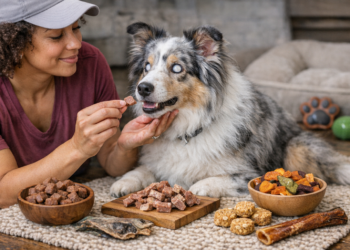
- Use High-Value Treats: Choose treats that your dog loves. This motivates them to follow your commands.
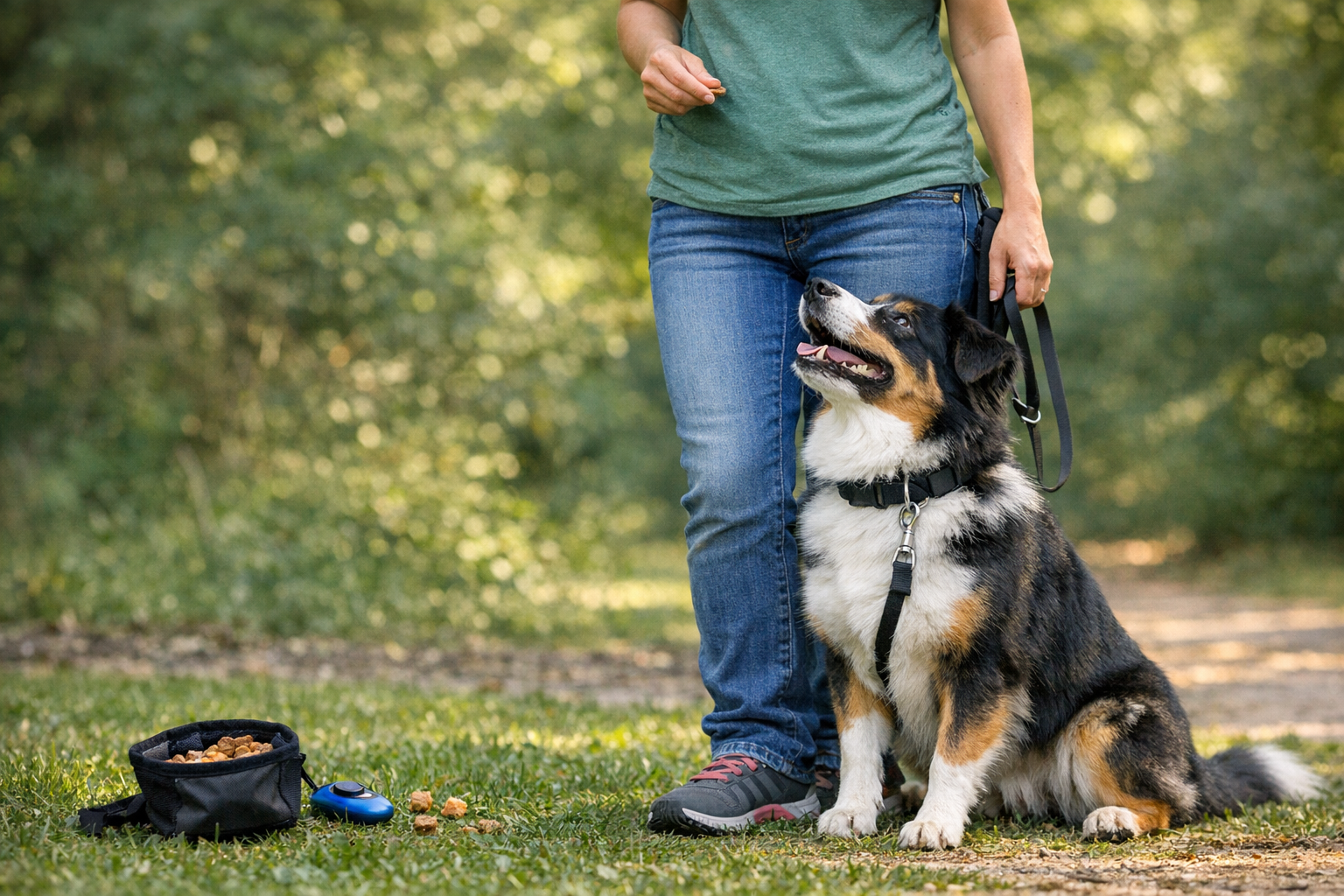
- Find the Right Position: Hold the treat close to your body as you want your dog to walk beside you, not in front.
- Use a Clicker: If you have a clicker, use it to mark the exact moment your dog is in the right position.
- Introduce Distractions Gradually: Start training in a quiet space and gradually introduce distractions to challenge your dog.
- Stay Calm and Positive: Use a happy tone and avoid frustration. Your dog’s attitude will reflect yours.
Best Products or Treat Types
Choosing the right type of treats can make a big difference in your training success. Consider the following options:
- Soft, Chewy Treats: These are easy for dogs to eat quickly and keep them focused.
- Thin Biscuits: Since these are crunchy, they can be broken into smaller pieces as rewards.
- Homemade Treats: Make small, tasty dog treats at home to use during training sessions.
- Freeze-Dried Meat: These are high in protein and very enticing for most dogs.
- Vegetable Treats: Healthy options like baby carrots can be great for training if your dog enjoys them.
Common Mistakes to Avoid
Training can be tricky, and many pet parents make common mistakes. Avoid these to help your dog learn better:
- Not Timing Rewards: Delaying rewards teaches dogs that they didn’t do anything right.
- Allowing Pulling: If you let your dog pull ahead, it confuses them about what “heel” means.
- Ineffective Treats: Using treats your dog doesn’t care about can slow down training.
- Inconsistency: Not using the same commands or signals can confuse your dog.
- Overworking Your Dog: Training should be fun. Overdoing it can lead to frustration for both of you.
FAQs
1. How long does it take to teach my dog the heel command?
It varies by dog, but with consistent training, many dogs can learn the heel command in a few weeks.
2. Can I use toys instead of treats for training?
Yes, using toys can be a great motivator if your dog is driven by play.
3. What age is best to start training heel?
You can start training heel as soon as your puppy has had their vaccinations, typically around 4 to 6 months old.
4. Why does my dog keep pulling ahead when I say “heel”?
This may be because they haven’t fully learned what “heel” means. Be consistent and reward them for staying by your side.
5. Is it okay to use a choke collar for training?
It’s best to use a standard collar or harness and rely on positive reinforcement rather than aversive methods.
6. How often should I train my dog to heel?
Aim for a few short sessions each week. Regular but brief practice helps reinforce the behavior.
Conclusion
Mastering the heel command through careful treat positioning enhances your bond with your dog while ensuring safe and pleasant walks. By understanding key insights, following expert tips, selecting the right treats, avoiding common mistakes, and staying consistent, you’ll see improvement in your dog’s behavior. Get started today and enjoy the rewarding experience of training your furry companion!