
The Truth About Pet Treat Recalls: How to Stay Informed (2026)
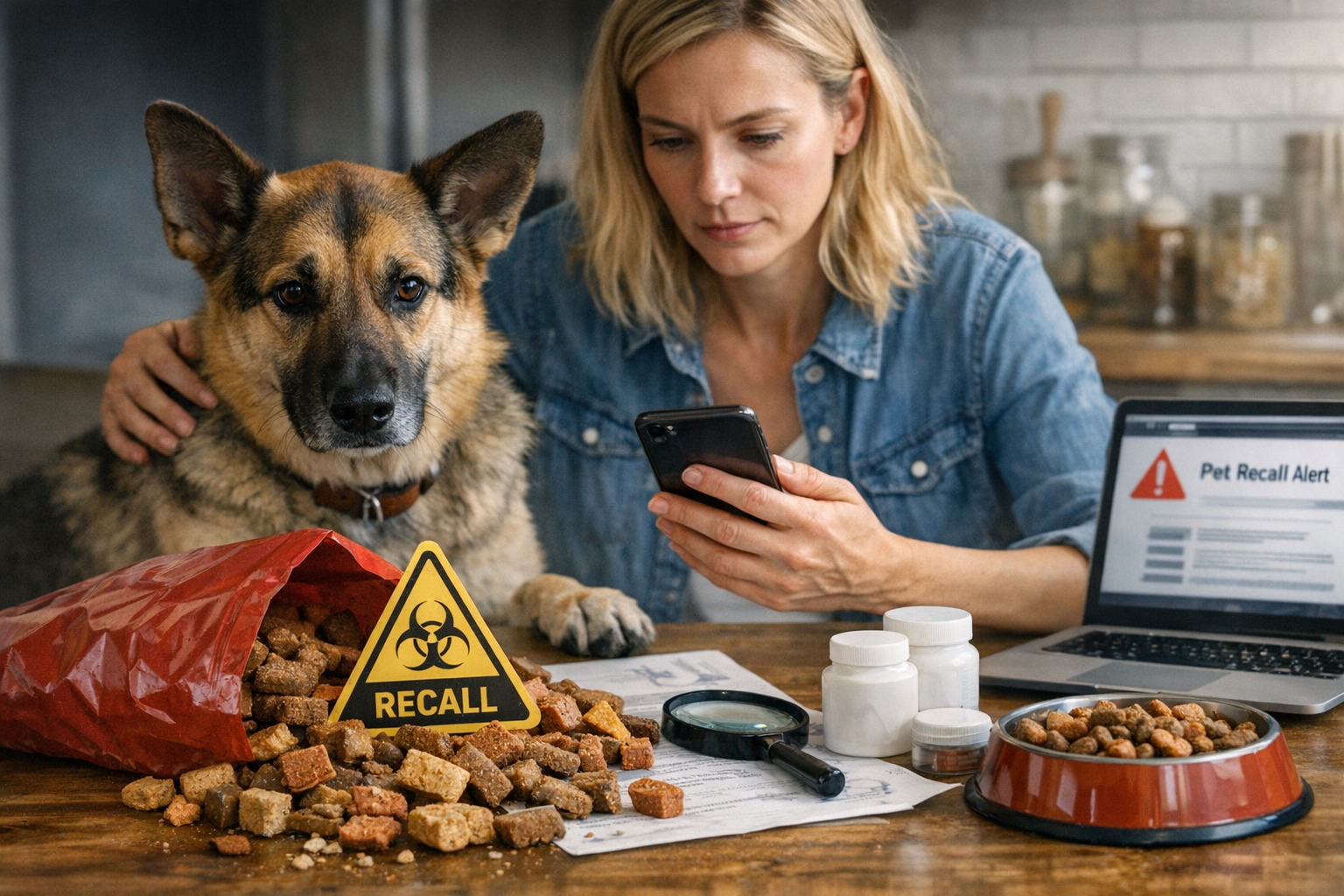
Pet treat recalls can be alarming for pet parents. Understanding how to stay informed about these recalls is essential for keeping your furry friends safe. This article will guide you through the important details you need to know about pet treat recalls and how to be proactive.
Why This Topic Matters for Pet Parents
As a pet parent, your main goal is to keep your pet healthy and happy. However, pet treats can sometimes pose risks due to recalls. Here’s why this topic matters:
- Pet Health: Contaminated treats can lead to serious health issues.
- Awareness: Staying informed helps you avoid harmful products.
- Responsibility: Being proactive shows you care about your pet’s well-being.
Key Insights
Here are some important insights regarding pet treat recalls:
- Recall notifications are often issued for contamination with harmful substances.
- Recalls can involve a wide range of ingredients, including meat, grains, and vegetables.
- Pet treats are recalled due to issues like salmonella, listeria, or foreign material.
- Misinformation can spread quickly; always verify your sources.
- Many recalls are announced on government websites and manufacturer pages.
Expert Tips
Veterinarians recommend several strategies to help pet parents stay informed about recalls:
- Regular Checks: Visit the FDA’s pet food recalls page regularly to stay updated.
- Sign Up for Alerts: Join notification lists from your favorite brands for recall alerts.
- Read Labels: Always check the product labels to know the lot numbers.
- Watch for Symptoms: Be aware of signs of foodborne illness in pets, such as vomiting or diarrhea.
- Consult Your Vet: If uncertain about a product, check with your veterinarian.
Best Products or Treat Types
When selecting pet treats, consider these safe options:
- Freeze-Dried Treats: These are often less likely to contain harmful contaminants.
- Organic Options: Choose organic brands that prioritize safety and quality.
- Limited Ingredient Treats: Fewer ingredients mean less chance of contamination.
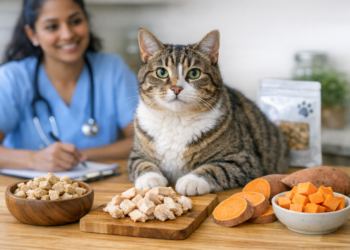
- Home-Made Treats: Prepare snacks at home to control ingredients.
- Veterinary-Approved Treats: Look for treats recommended by your vet.
Common Mistakes to Avoid
Here are some common mistakes pet parents often make regarding treat recalls:
- Ignoring Alerts: Dismissing recall notifications can put your pet’s health at risk.
- Relying Solely on Stores: Stores may not always be aware of active recalls.
- Overlooking Expiry Dates: Always check expiration dates to ensure product freshness.
- Not Reading Ingredients: Failing to check for known allergens can be dangerous.
- Buying Without Research: Avoid purchasing new pet treats without researching their safety record.
FAQs
1. How can I find out if a pet treat has been recalled?
You can check the FDA’s official website for pet food recalls and follow notifications from the manufacturer.
2. What do I do if my pet ate a recalled treat?
If your pet has consumed a recalled treat, contact your veterinarian immediately for guidance.
3. Are recalls common in pet treats?
While not uncommon, many treats are safe. It’s important to stay informed and check for recalls regularly.
4. Can I still use treats from a recalled batch?
No, it’s crucial to stop using any treats from a recalled batch to ensure your pet’s safety.
5. What symptoms should I look for if my pet ate a contaminated treat?
Watch for signs like vomiting, diarrhea, lethargy, or a lack of appetite, and consult your vet if you notice anything unusual.
6. How can I ensure the treats I buy are safe?
Look for brands that follow safety standards, check for recalls, and opt for high-quality, trusted products.
Conclusion
Understanding pet treat recalls is essential for keeping your furry friends safe. By staying informed, checking labels, and following expert tips, you can make better choices for your pet’s health. Always be proactive, consult your vet when needed, and remember that your pets depend on you for their well-being. Stay alert, and happy treating!