
Best Treats for Cats with Hyperthyroidism (Low Iodine Considerations)
Finding the right treats for cats with hyperthyroidism can be tricky. These cats need a low iodine diet, which can help control their symptoms. In this article, we’ll cover what pet parents should know about hyperthyroidism and how to choose the best treats.
Why This Topic Matters for Pet Parents
Hyperthyroidism is a common condition in older cats. It can cause increased appetite, weight loss, and other health issues. Choosing the right treats is crucial for managing this condition. Low iodine treats help control thyroid hormone levels, improving your cat’s overall health.
Key Insights
- Hyperthyroidism often affects cats over the age of 10.
- Low iodine diets help manage thyroid hormones effectively.
- Many commercial cat treats contain high levels of iodine.
- Nutrition plays a key role in managing hyperthyroidism.
Expert Tips
Here are some veterinarian-style recommendations to help you choose suitable treats for your cat:
- Consult Your Veterinarian: Always check with your vet before making dietary changes.
- Look at Ingredients: Aim for treats with low or no iodine and no fish-based ingredients.
- Choose Natural Ingredients: Opt for treats made from real meats and vegetables without additives.
- Monitor Portion Sizes: Even low iodine treats should be given in moderation to avoid imbalances.
- Homemade Options: Consider making treats at home with vet-approved low iodine recipes.
Best Products or Treat Types
When looking for the best treats for your cat with hyperthyroidism, consider the following types:
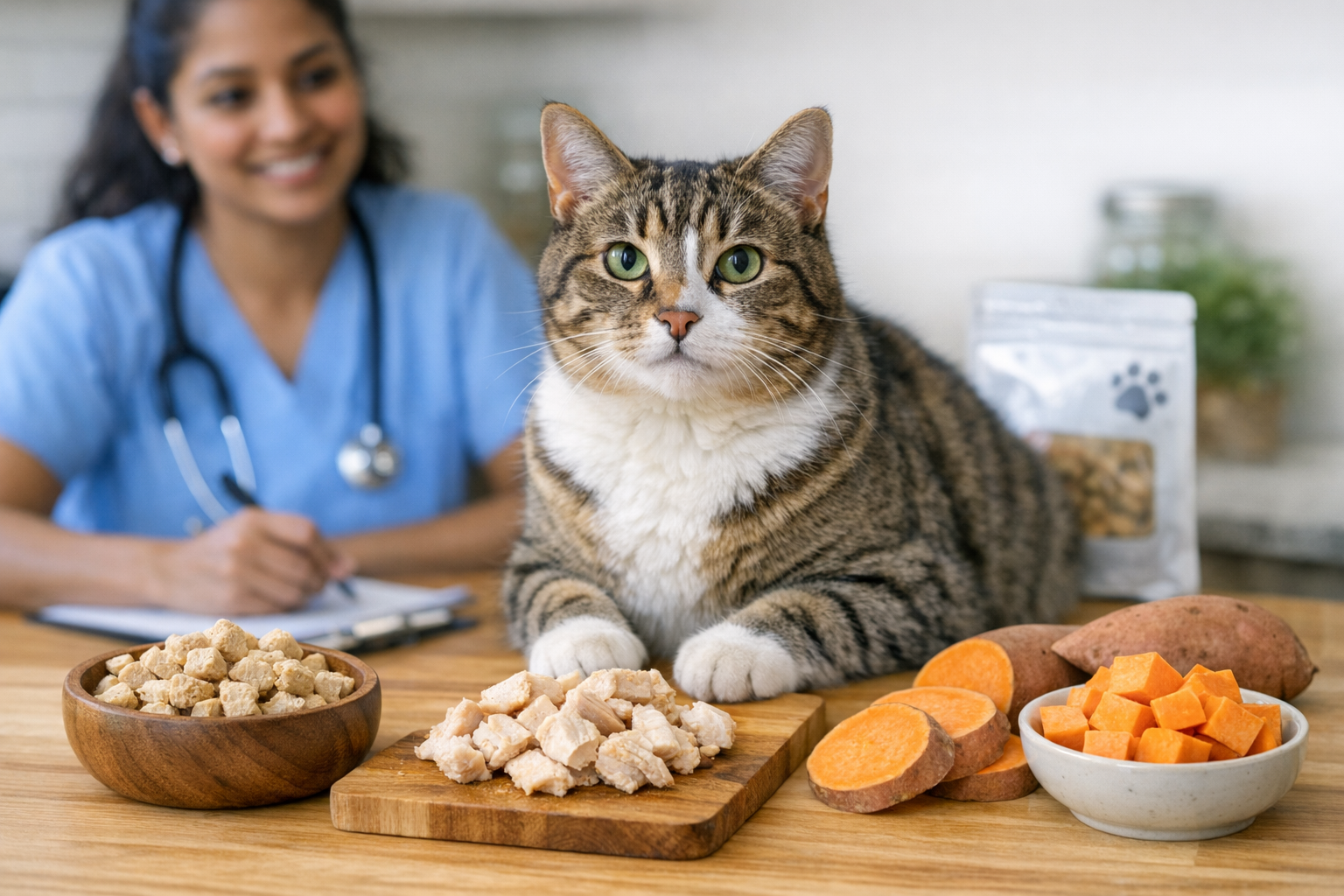
- Freeze-Dried Meat Treats: These are often low in iodine and high in protein.
- Vegetable-Based Treats: Look for treats made primarily from cat-safe vegetables, like sweet potatoes.
- Homemade Chicken or Turkey Treats: Cook plain chicken or turkey, and cut it into small pieces. No seasoning, please!
- Prescription Treats: Some brands offer treats specifically designed for cats with iodine restrictions.
Common Mistakes to Avoid
Here are some pitfalls to watch out for when selecting treats:
- Forgetting to Read Labels: Many treats label themselves as healthy but can be high in iodine.
- Ignoring Ingredients: Even treats that seem safe may contain fish products, which are generally high in iodine.
- Giving Too Many Treats: It’s easy to overdo it. Treats should only make up a small part of their diet.
- Not Consulting the Vet: Always check in with your veterinarian for tailored nutrition advice.
FAQs
1. What is hyperthyroidism in cats?
Hyperthyroidism is a condition where the thyroid gland produces too much hormone, often due to a benign tumor. It can lead to symptoms like weight loss and increased appetite.
2. How does diet affect hyperthyroidism in cats?
A low iodine diet can help manage hyperthyroidism. Iodine intake influences the production of thyroid hormones, so reducing iodine can help balance hormone levels.
3. Can I use regular cat treats for my cat with hyperthyroidism?
Most regular cat treats are not suitable because they often contain high levels of iodine. Always opt for low iodine options.
4. Are there homemade treat recipes I can use?
Yes! Simple recipes using low iodine ingredients like cooked chicken or sweet potatoes can be safe and healthy options.
5. How can I tell if my cat’s symptoms are improving?
Signs of improvement include a stabilized weight, decreased appetite, and increased energy levels. Regular vet check-ups are essential to monitor progress.
Conclusion
Choosing the right treats for cats with hyperthyroidism is vital for their health. By focusing on low iodine options, consulting your veterinarian, and being mindful of ingredients, you can help manage your cat’s condition effectively. Remember, the right treats can make a positive difference in your cat’s overall well-being!