
Best Treats for Pets with Recovering from Orthopedic Surgery
Orthopedic surgery can be a big deal for our furry friends. After such procedures, it’s crucial to provide the right care, which includes choosing the best treats to support their recovery. This guide offers pet parents helpful insights into selecting safe and healthy treats that aid healing.
Why This Topic Matters for Pet Parents
Understanding the dietary needs of a pet recovering from orthopedic surgery is essential for their healing process. The right treats can:
- Support joint health and recovery.
- Provide necessary nutrients for healing.
- Keep your pet happy and motivated during their recovery.
Key Insights
- Post-surgery pets need a balanced diet that includes easy-to-digest food and treats.
- Look for treats containing joint-supporting ingredients like glucosamine and chondroitin.
- Avoid treats that are high in sugar or fat, as these can exacerbate weight issues during recovery.
- Consider treats that promote mental stimulation to help with boredom during the recovery process.
Expert Tips
Here are some veterinarian-style recommendations for choosing the best treats:
- Consult Your Vet: Always talk to your veterinarian before introducing new treats.
- Consider Soft Textures: Choose softer treats that are easier for your pet to chew, especially if they have pain or limited mobility.
- Monitor Portion Sizes: Adjust treat portions according to your pet’s reduced activity levels.
- Look for Natural Ingredients: Select items made from whole, natural foods with few additives.
- Incorporate Supplements: Treats that have added vitamins and minerals can be beneficial.
Best Products or Treat Types
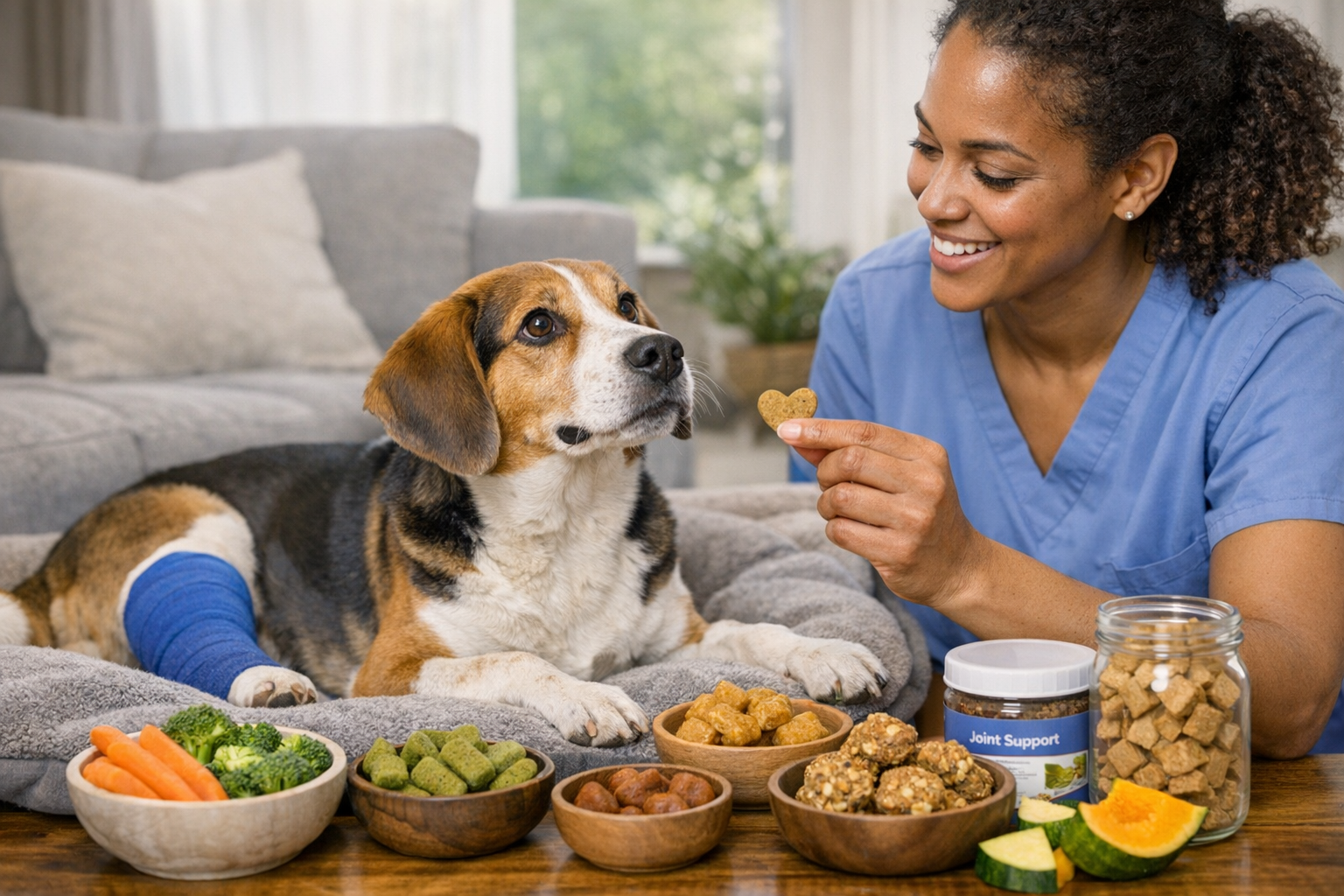
When selecting treats for pets recovering from orthopedic surgery, consider the following types:
- Joint Health Treats: Look for those fortified with glucosamine and chondroitin.
- Soft Chews: These are easy to chew and digest, making them ideal for healing pets.
- Low-Calorie Options: Help prevent weight gain during less active recovery periods.
- Vegetable-Based Treats: Offers nutrients without excess calories.
- Homemade Treats: Create your own using simple, healthy ingredients like pumpkin and oats.
Common Mistakes to Avoid
- Giving Treats Too Soon: Wait until the vet says it’s okay to start adding treats back into your pet’s diet.
- Ignoring Caloric Intake: Many pet parents forget that treats add to the total calories, leading to unwanted weight gain.
- Choosing Poor Quality Treats: Avoid treats with artificial colors, flavors, or preservatives.
- Not Monitoring Behaviors: Keep an eye on how your pet reacts to treats; any signs of discomfort need to be addressed.
- Overlooking Hydration: Treats shouldn’t replace water intake; always ensure your pet has fresh water available.
FAQs
- What kind of treats are best for pets after surgery?
Look for soft, digestible treats that are low in calories and high in beneficial ingredients like glucosamine.
- How many treats can I give my pet during recovery?
Consult your vet, but generally, treats should not exceed 10% of their daily caloric intake.
- Can I make homemade treats for my recovering pet?
Yes! Homemade treats can be a healthy alternative as long as they use safe, nutritious ingredients.
- Should I avoid any specific ingredients?
Yes, avoid treats high in sugar or unhealthy fats, which can hinder recovery and lead to weight gain.
- How do I know if a treat is safe for my pet?
Check for ingredients you recognize, and avoid artificial additives. Consulting your veterinarian is also wise.
Conclusion
Choosing the right treats for pets recovering from orthopedic surgery plays a significant role in their healing. By focusing on nutritious options, consulting your vet, and avoiding common mistakes, you can help your pet recover comfortably and happily. Always remember to monitor their progress and adjust their diet as needed. With the right care, your furry friend will be back to their playful self in no time!