

Low-Phosphorus Treats: Essential for Pets with Early-Stage Kidney Disease
Pets with early-stage kidney disease require special attention to their diet, and low-phosphorus treats play a vital role in managing their health. This article explores why these treats are crucial, shares expert recommendations, and lists valuable resources for pet parents.
Why This Topic Matters for Pet Parents
Kidney disease is common in pets, especially in older animals. Early detection can improve their quality of life, but diet management is key. Low-phosphorus treats help reduce the workload on the kidneys, making them essential for your pet’s well-being.
Key Insights
- Kidney disease affects the body’s ability to filter waste.
- Phosphorus can accumulate in pets with kidney disease.
- Low-phosphorus treats can help manage symptoms and prolong life.
- Always consult your veterinarian before making dietary changes.
Expert Tips
Here are some veterinarian-style recommendations for choosing and giving treats to pets with early-stage kidney disease:
- Read labels: Always check for phosphorus levels in treats. Aim for options that contain less than 0.5% phosphorus on a dry matter basis.
- Focus on protein quality: Choose treats with high-quality protein sources. These are easier for your pet to digest.
- Moderation is key: Treats should make up only a small portion of your pet’s total diet—about 10% or less.
- Look for wet treats: Wet treats can provide hydration, which is beneficial for kidney health.
- Homemade options: Consider making your own low-phosphorus treats for better control over ingredients.
Best Products or Treat Types
While it’s essential to choose treats specifically low in phosphorus, here are some types that often fit the bill:
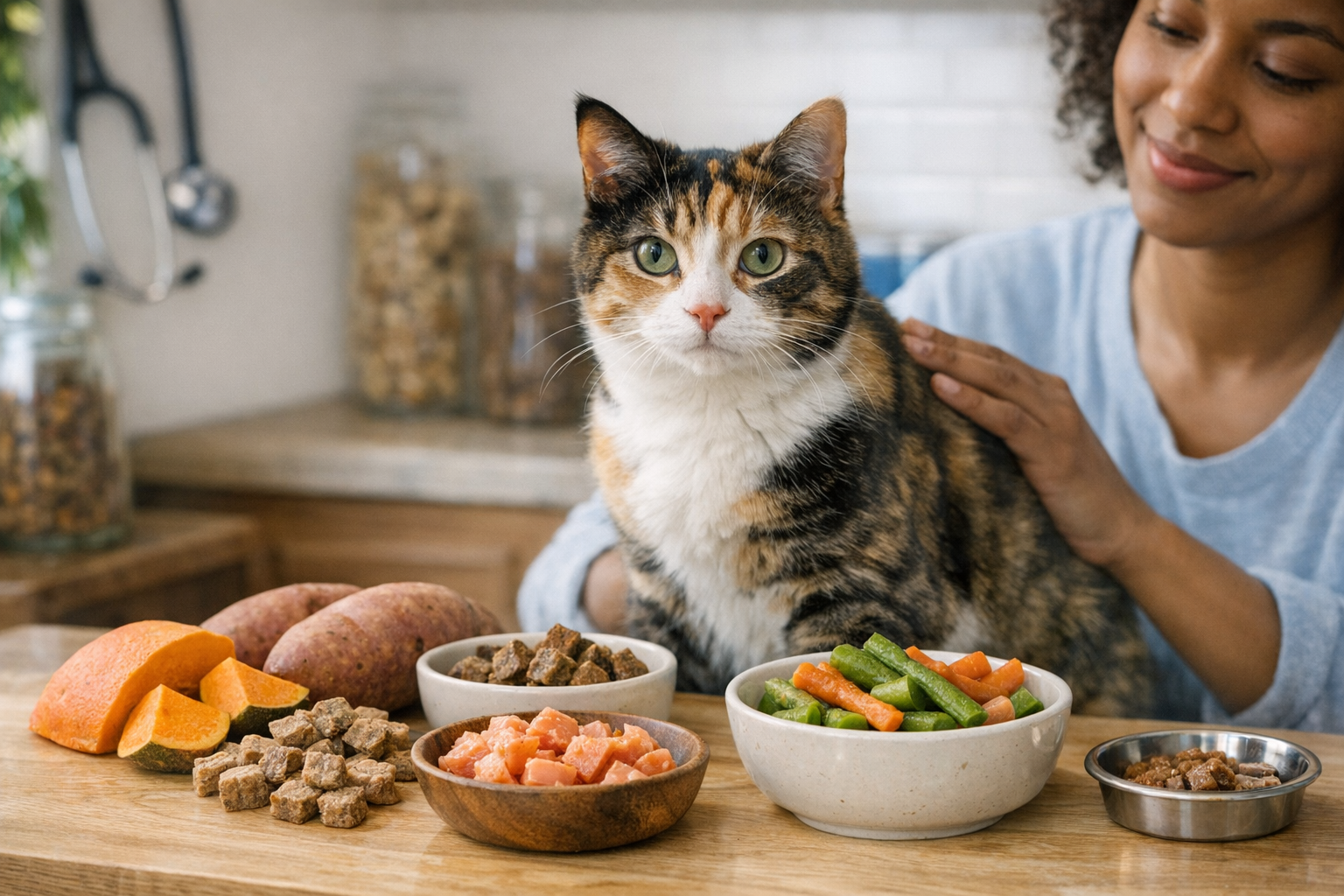
- Vegetable-based treats: Made from low-phosphorus veggies like carrots and green beans.
- Fish-based treats: Fish is generally lower in phosphorus than other meats; look for options made from salmon or whitefish.
- Dehydrated or freeze-dried treats: These can be low in phosphorus and are often more nutrient-dense.
- Homemade treats: Simple recipes using low-phosphorus ingredients like pumpkin or sweet potatoes can be a healthy option.
Common Mistakes to Avoid
It’s easy to make mistakes when navigating your pet’s dietary needs. Here are some common pitfalls to avoid:
- Ignoring phosphorus levels: Many treats are marketed as “healthy” but can be high in phosphorus. Always check the nutrition label.
- Over-treating: Too many treats can throw off your pet’s overall diet balance. Keep treats to a minimum.
- Skipping vet consultations: Never make diet changes without talking to your vet. They understand your pet’s medical history and needs.
- Neglecting hydration: Remember that treats alone won’t provide sufficient hydration for kidney support.
- Not monitoring your pet’s response: Pay attention to how your pet reacts to new treats and adjust as necessary.
FAQs
1. What is early-stage kidney disease in pets?
Early-stage kidney disease occurs when the kidneys begin to lose function. Pets can still live happily, but their diet needs to be carefully managed.
2. How can I tell if my pet has kidney disease?
Common signs include increased thirst, frequent urination, weight loss, and decreased appetite. Always consult your vet for a diagnosis.
3. Are there any harmful ingredients to avoid in treats?
Yes, avoid treats containing high phosphorus ingredients, artificial preservatives, and fillers like corn or wheat that could be hard on kidneys.
4. Can I give my pet human food as treats?
Some human foods are safe, but always consult your vet. Generally, low-phosphorus options like cooked green beans or pumpkin can be good choices.
5. How often can I give my pet treats?
Treats should be given in moderation. Aim for no more than 10% of your pet’s daily caloric intake.
6. Should I switch my pet to a special diet if diagnosed?
A special diet tailored for kidney health is often recommended. Consult your veterinarian for the best diet options for your pet’s specific needs.
Conclusion
Low-phosphorus treats are essential for pets with early-stage kidney disease. By prioritizing their diet and being mindful of phosphorus levels, you can help manage your pet’s condition and improve their quality of life. Always consult your veterinarian for personalized advice, and remember that your love and care make a significant difference in your pet’s health journey.