
Post-Surgery Recovery: Using Soft Treats to Encourage Eating
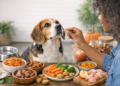
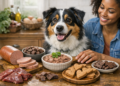
After surgery, pets may have a decreased appetite due to pain, stress, or changes in their routine. Soft treats can be a gentle way to help your furry friend eat and recover. This guide will explore the importance of enticing pets to eat post-surgery and how soft treats can play a vital role in their healing journey.
Why This Topic Matters for Pet Parents
Taking care of a pet after surgery can be a tough journey. Pets often experience discomfort, which can make them reluctant to eat. Knowing how to encourage your pet to eat can be crucial for a smooth recovery. Soft treats can help make mealtime more enjoyable and help pet parents feel less worried.
Key Insights
- Pets may lose their appetite post-surgery, impacting their recovery.
- Soft treats are easier to chew and digest, making them a great option.
- Encouraging eating helps maintain energy levels and supports healing.
- Monitoring how much your pet eats is essential for tracking their recovery progress.
Expert Tips
Here are some recommendations from veterinarians on how best to use soft treats in your pet’s recovery:
- Choose High-Quality Ingredients: Look for treats with natural, easy-to-digest ingredients that provide nutrients.
- Follow the Feeding Guidelines: Overfeeding may cause further digestive issues, so stick to recommended serving sizes.
- Incorporate Gradually: Start with small amounts to see how your pet reacts, then increase if they are eating well.
- Use Warm Treats: Slightly warming soft treats can enhance their aroma and appeal to your pet.
- Monitor Your Pet: Keep an eye on your pet’s eating habits and overall behavior to ensure they are recovering well.
Best Products or Treat Types
When choosing soft treats for your pet, consider the following options:
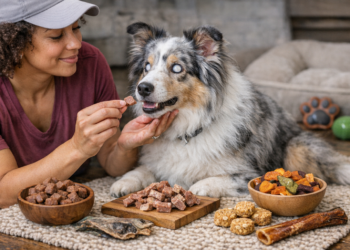
- Soft Chews: These treats are easy to chew and can be packed with nutrients.
- Mushy Foods: Styles include canned food or specially formulated soft diets that are easy to swallow.
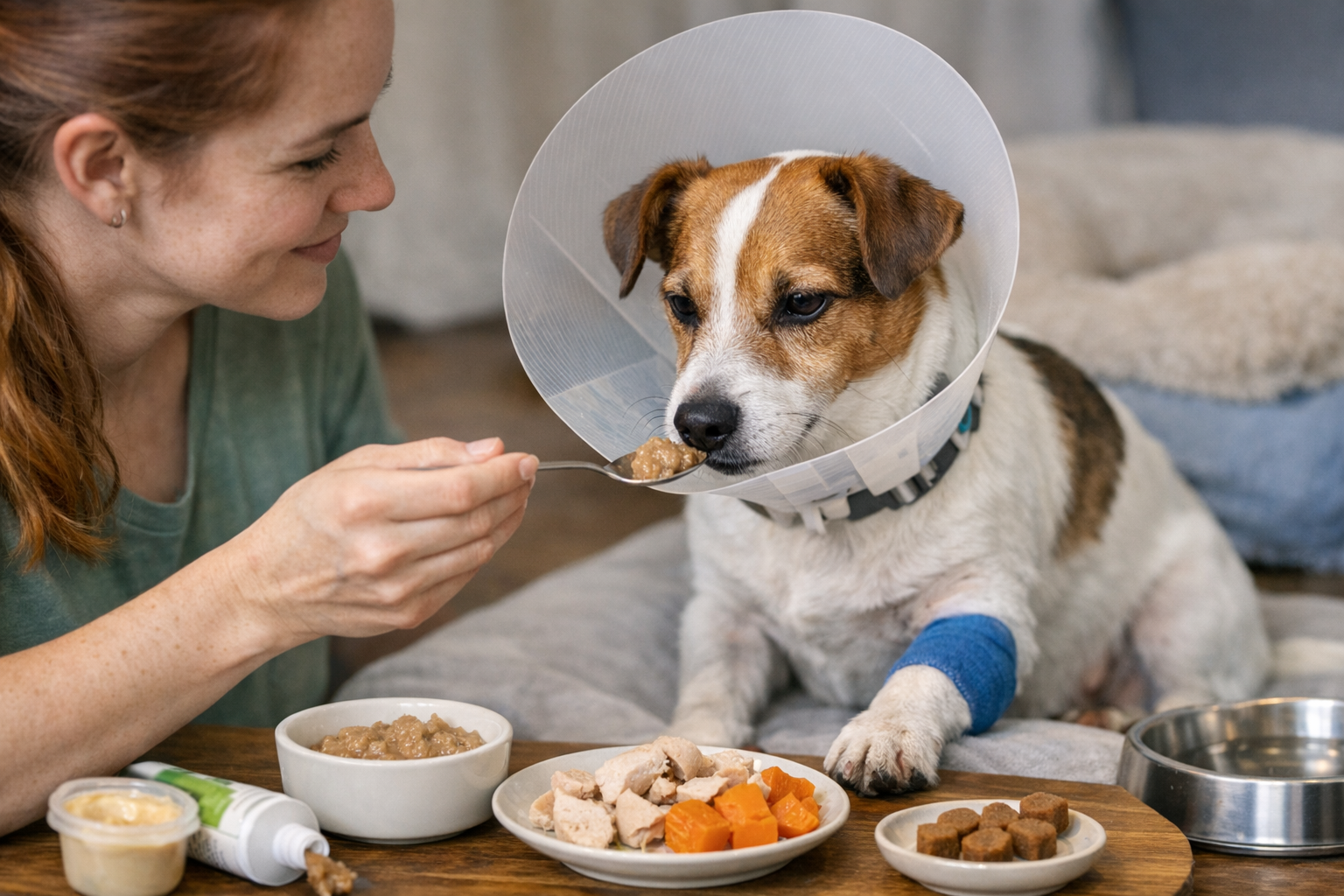
- Homemade Treats: You can make soft treats using ingredients like boiled chicken or sweet potatoes for a personal touch.
- Moist Treats: Look for treats that have a soft, moist texture, as these are often easier to eat.
- Gels or Pastes: These can be a good way to provide hydration and nutrition in a soft form.
Common Mistakes to Avoid
Make sure to avoid these common pitfalls while helping your pet post-surgery:
- Ignoring Hydration: Focusing only on treats and forgetting to offer water can lead to dehydration.
- Offering Hard Treats: Hard treats can be difficult to eat and may discourage your pet from attempting to eat at all.
- Overfeeding: Too much food can lead to digestive issues, especially if your pet’s appetite is still low.
- Not Consulting the Vet: Always check with your veterinarian before changing your pet’s diet, especially after surgery.
- Becoming Overly Stressful: Screen time and loud noises during feeding can increase your pet’s stress. Try to create a calm environment.
FAQs
1. How soon can I give my pet treats after surgery?
It’s best to consult your veterinarian, but most pets can have soft treats within a day or two after surgery, as long as they’re ready to eat.
2. What if my pet refuses to eat soft treats?
If your pet refuses to eat, check in with your vet. They may need a different type of food or require a check-up for any complications.
3. Can homemade soft treats be beneficial?
Yes! Homemade treats can be customized to include your pet’s favorite flavors and ensure healthy, digestible ingredients.
4. Should I change my pet’s diet entirely after surgery?
It’s not necessary to change their diet entirely. Focus on soft, easy-to-digest foods while they’re recovering, and gradually bring back their regular diet as they heal.
5. Are there any treats I should avoid during recovery?
Avoid treats that are hard, crunchy, or contain artificial ingredients. These can upset your pet’s stomach or be difficult for them to eat.
6. When should I start worrying about my pet not eating?
If your pet hasn’t eaten for more than 24 hours post-surgery or shows signs of discomfort, contact your veterinarian.
Conclusion
Post-surgery recovery can be challenging for both pets and their owners. Using soft treats can be an effective way to encourage your pet to eat while they heal. By choosing the right treats, following expert tips, and avoiding common mistakes, you can support your pet on their journey back to health. Always remember to consult with your veterinarian for tailored advice. By working together, you can make this recovery period as smooth and stress-free as possible.