
Homemade Treats with Natural Food Coloring: Safe and Fun Recipes
As pet parents, we want the best for our furry friends. Making homemade treats not only allows us to control the ingredients but also gives us the chance to make them colorful and appealing. This article shares safe and fun recipes using natural food coloring to brighten your pet’s snack time.
Why This Topic Matters for Pet Parents
Choosing healthy, homemade treats can significantly impact your pet’s well-being. Here’s why making colorful treats with natural ingredients is important:
- Healthier Options: You know exactly what your pet is eating.
- Allergy Control: Easily avoid allergens your pet may have.
- Fun Experience: Making these treats can be a fun bonding activity.
- Beautiful Presentation: Bright colors make treats more visually appealing.
Key Insights
Here are some essential points to consider when making homemade pet treats:
- Natural food coloring is safe when derived from fruits and vegetables.
- Keep treat sizes appropriate to avoid overfeeding.
- Watch for allergies or sensitivities to new ingredients.
- Consult your vet about introducing new foods into your pet’s diet.
Expert Tips
When creating homemade treats, follow these veterinarian-style recommendations for the best results:
- Use Pet-Safe Ingredients: Stick to whole foods and avoid harmful substances like chocolate, onions, and grapes.
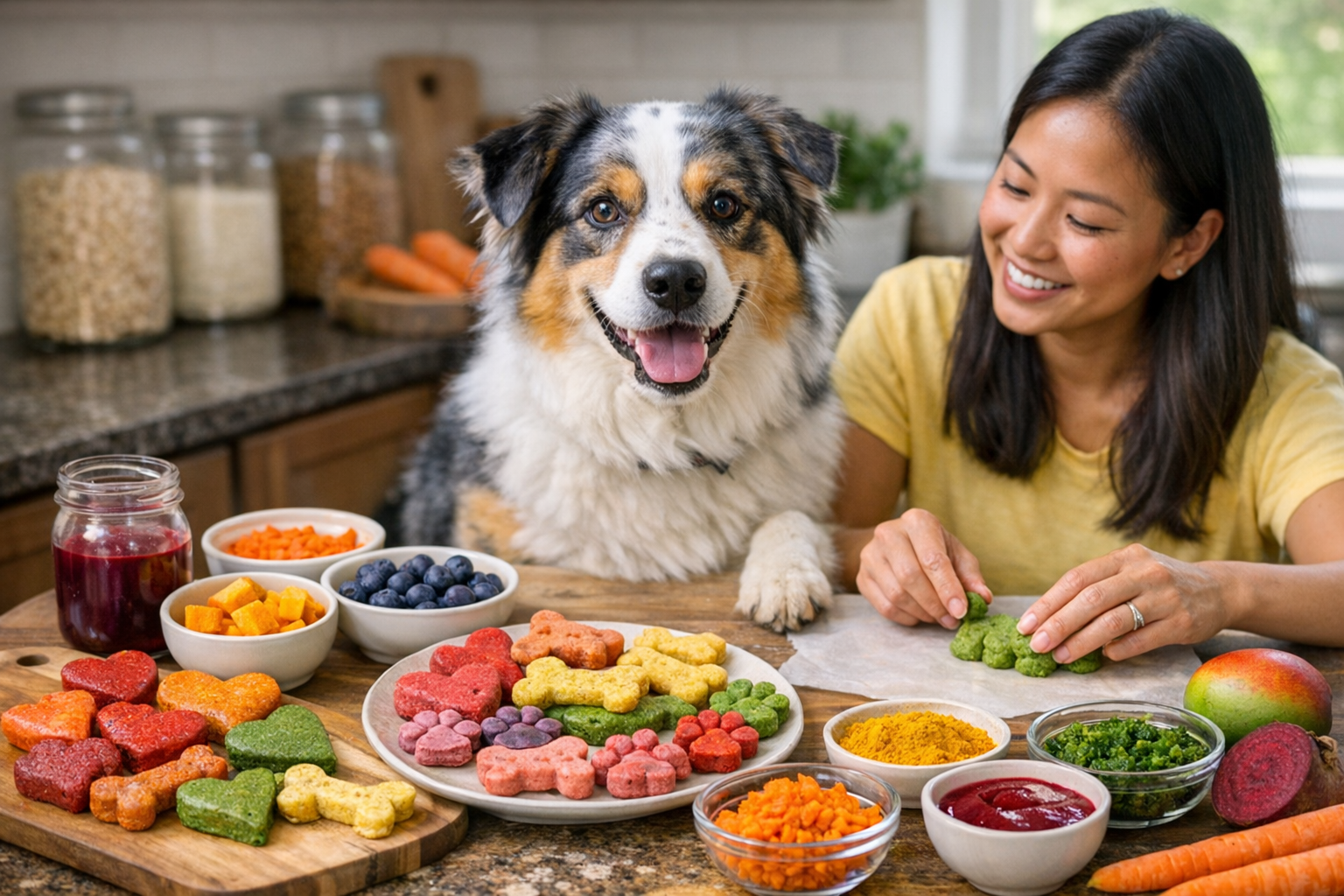
- Choose Natural Colorants: Consider using blueberries for blue, carrots for orange, and spinach for green.
- Monitor Portions: Homemade treats should not make up more than 10% of your pet’s daily food intake.
- Store Properly: Keep treats in an airtight container to maintain freshness.
- Observe Reactions: After introducing new treats, watch for any signs of digestive upset or allergies.
Best Products or Treat Types
When creating your homemade treats, consider these types of ingredients that not only add color but also pack nutrition:
- Fruits: Blueberries, beet juice, mangoes (colorful and full of vitamins).
- Vegetables: Spinach (green), carrots (orange), pumpkin (orange).
- Whole Grains: Oats or brown rice make excellent bases for treat recipes.
- Protein Sources: Chicken, fish, or eggs for added flavor and nutrition.
Common Mistakes to Avoid
As you embark on the delightful journey of making homemade treats, be mindful of these common pitfalls:
- Overusing Colorants: Too much food coloring can upset a pet’s stomach.
- Ignoring Ingredient Restrictions: Forgetting about specific allergies can cause health issues.
- Skipping Quality Control: Always use fresh ingredients to ensure the best outcome.
- Neglecting Portion Sizes: Treats should be small and reasonable, especially for smaller pets.
FAQs
1. Are natural food colorings safe for pets?
Yes, natural food colorings from fruits and vegetables are safe for pets in moderation.
2. How do I know if my pet is allergic to a new ingredient?
Introduce new foods one at a time and watch for any symptoms like itching, vomiting, or diarrhea.
3. What are some good natural colorants to use?
You can use beet juice for red, turmeric for yellow, and blueberries for blue.
4. How long can homemade treats be stored?
Homemade treats can typically be stored for 1-2 weeks in an airtight container in the fridge.
5. Can I use leftover table scraps in my pet treats?
Be cautious. Some human foods are not safe for pets; always check before using.
Conclusion
Making homemade treats with natural food coloring is not only rewarding but also a great way to ensure your furry friend is eating healthy. With a few simple ingredients like vegetables and fruits, you can create colorful and safe snacks that your pet will love. Remember to be mindful of portions and always keep an eye out for any signs of allergies. Happy baking!