
Using Treats to Stop Resource Guarding of Toys and Food Bowls
Resource guarding is a common behavior in pets, where they feel the need to protect their toys or food bowls. This can lead to issues if not addressed properly. Fortunately, using treats can effectively modify this behavior, making your home a safer and more enjoyable place for everyone.
Why This Topic Matters for Pet Parents
Resource guarding can be a serious issue for both pets and their owners. Understanding how to manage and correct this behavior is essential for fostering a safe environment. Here’s why pet parents should pay attention:
- **Safety First**: Guards can lead to bites or aggressive behavior.
- **Better Bonding**: Correcting resource guarding helps build trust between you and your pet.
- **Improved Socialization**: A pet that is comfortable around resources is more sociable with other pets and people.
Key Insights
Here are some vital points to understand about resource guarding:
- **What is Resource Guarding?**: It’s a dog’s instinct to protect valued items such as food or toys.
- **How it Develops**: Resource guarding can develop due to fear, anxiety, or past experiences where a pet had to fight for food or toys.
- **Signs of Resource Guarding**: These include growling, stiff body posture, and snapping when someone approaches their possessions.
- **Why Treats Work**: Treats can help create positive associations and lessen anxiety around food or toys.
Expert Tips
Here are some recommendations from veterinarians and pet experts on using treats to stop resource guarding:
- **Start Early**: Begin training when your pet is a puppy or kitten to prevent resource guarding behavior from developing.
- **Positive Reinforcement**: Use treats to reward calm behavior around toys and food bowls.
- **Desensitize**: Gradually desensitize your pet to your presence around their food and toys. Start from a distance and slowly get closer while offering treats.
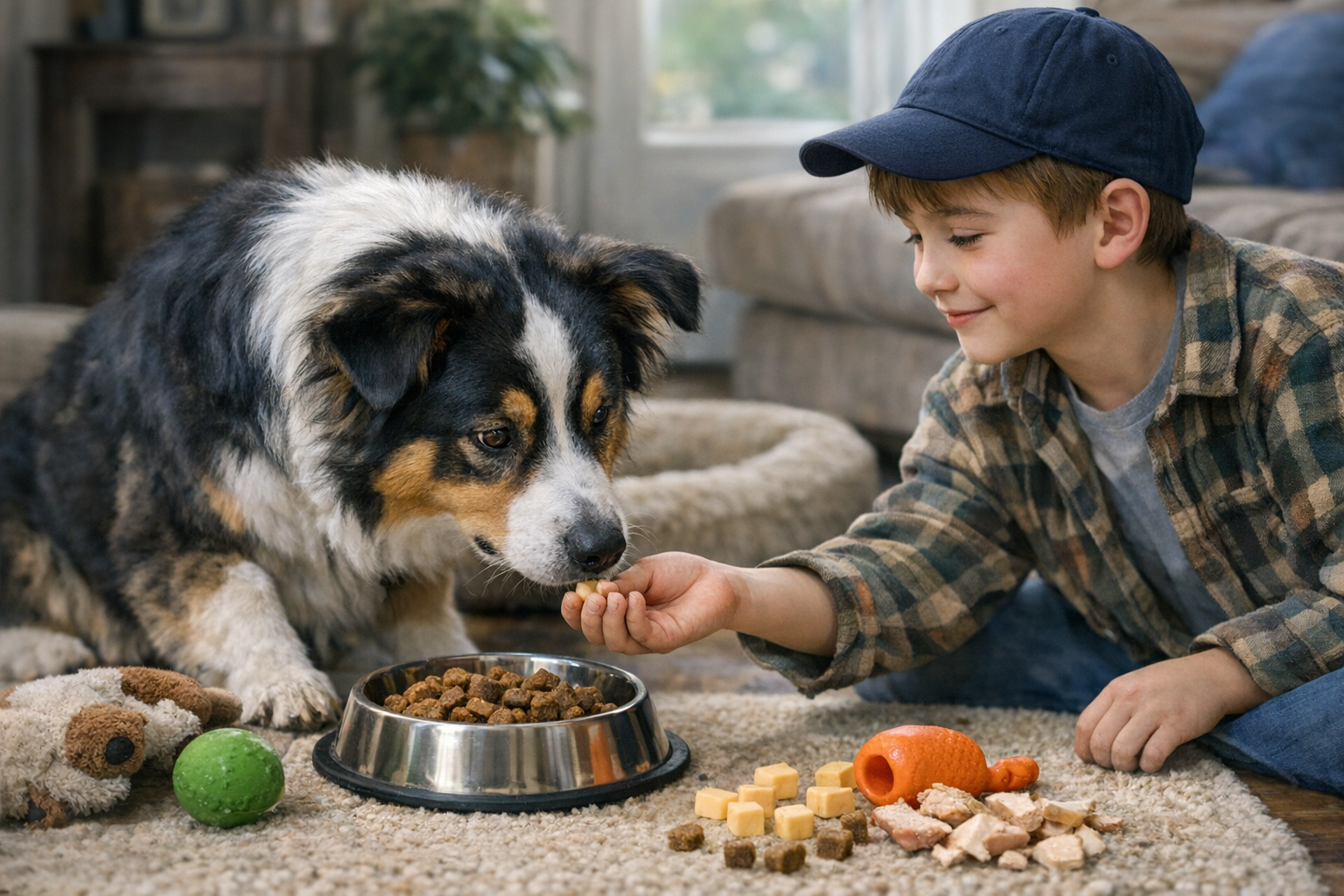
- **Trade-Up Technique**: Encourage your pet to give up the item by offering a high-value treat in exchange.
- **Consistent Commands**: Teach commands like “leave it” or “drop it” using treats as a reward when they follow the command.
Best Products or Treat Types
Selecting the right kind of treats can make a significant difference. Here are some treat types that can aid in training:
- **Soft Chewy Treats**: These are easy to consume quickly, keeping your pet engaged in training.
- **High-Value Treats**: Use treats your pet loves, such as small pieces of chicken, cheese, or commercial training treats.
- **Interactive Treat Dispensers**: These can distract your pet while they work for their food, reducing enforcement of guarding behavior.
- **Low-Calorie Options**: Use treats that are low in calories to prevent overfeeding during the training process.
Common Mistakes to Avoid
Every pet parent should be aware of these common errors when addressing resource guarding:
- **Punishing Behavior**: Avoid using punishment, as it can increase anxiety and worsen the guarding behavior.
- **Inconsistent Training**: Always use the same commands and rules across the family for consistent reinforcement.
- **Ignoring Signs**: Never overlook the signs of resource guarding; early intervention is critical.
- **Overvaluing Toys and Food**: Don’t make a big deal out of toys or treats; keep your tone calm and neutral.
FAQs
- **Q: What should I do if my pet displays aggressive behavior?**
A: It is crucial to seek help from a qualified trainer or veterinarian to assess the situation and create a training plan. - **Q: How long will it take to change my pet’s resource guarding behavior?**
A: Every pet is different. Consistent training can yield improvements in a few weeks, but it may take longer. - **Q: Can puppies exhibit resource guarding?**
A: Yes, even puppies can show signs of resource guarding. Early intervention is key. - **Q: Are there any specific breeds more prone to resource guarding?**
A: Certain breeds, like herding dogs, may be more prone, but resource guarding can occur in any breed or mix. - **Q: Is it safe to take away my pet’s toys or food while training?**
A: Yes, but do so gradually and always replace them with a treat to encourage positive behavior.
Conclusion
Resource guarding can pose challenges, but with patience and the right approach, you can teach your pet to feel more comfortable around their toys and food. Using treats as a positive reinforcement tool can significantly help reduce guarding behavior and strengthen your bond. Remember, if issues persist, consulting a professional can provide additional support and strategies tailored to your pet’s needs.