


Jerky Treats: The Safest Way to Buy and Store Dog Jerky
Dog jerky treats are popular among pet owners for their high protein content and taste. However, knowing how to select and store these treats safely is essential for your furry friend’s health. This guide provides you with expert tips, key insights, and best practices for choosing and storing the best jerky treats for your dog.
Why This Topic Matters for Pet Parents
Choosing safe and nutritious treats for your dog is crucial for their overall health and well-being. Jerky treats can contribute to a balanced diet, but there are important factors to consider to ensure your dog’s safety. Understanding the best ways to buy and store these treats helps prevent health issues and guarantees quality.
Key Insights
- Jerky treats should be made from high-quality ingredients.
- Always check for recalls on dog treats and brands.
- Store jerky treats in a cool, dry place to maintain freshness.
- Monitor your dog for any adverse reactions after introducing new treats.
- Consider your dog’s dietary needs when selecting treats.
Expert Tips
Here are some veterinarian-style recommendations to help pet parents choose and store dog jerky treats safely:
- Check Ingredients: Look for treats with simple, recognizable ingredients. Avoid those with artificial preservatives, colors, or flavors.
- Buy from Reputable Brands: Stick to brands that have a good reputation and are transparent about their manufacturing processes.
- Inspect Packaging: Look for treats that are sealed and packaged correctly. Avoid any with damaged or broken packaging.
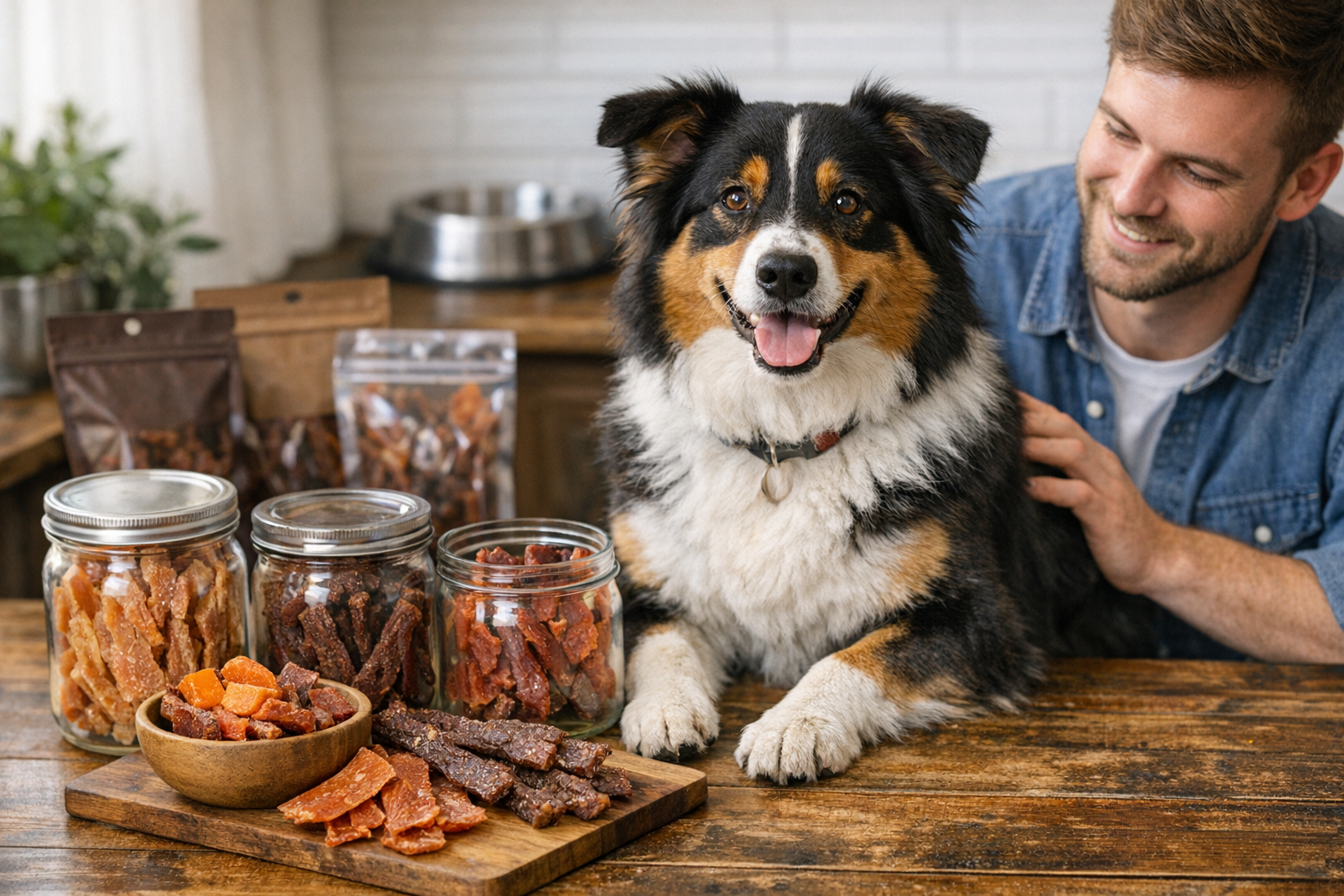
- Storage: Store jerky treats in an airtight container to keep them fresh longer and avoid contamination.
- Monitor Quantity: Treats should only make up about 10% of your dog’s total daily calorie intake. Too many treats can lead to obesity.
Best Products or Treat Types
While there are numerous jerkytreat products available, here are types that are generally considered to be among the best:
- Chicken Jerky: Lean and easy to digest, chicken jerky is a favorite for many dogs.
- Beef Jerky: Packed with protein, beef jerky is great for active dogs.
- Turkey Jerky: A lower-fat option, turkey jerky suits dogs with dietary restrictions.
- Fish Jerky: Rich in omega fatty acids, fish jerky is great for skin and coat health.
- Vegetable Jerky: Often made with sweet potatoes or carrots, these are perfect for dogs with protein sensitivities.
Common Mistakes to Avoid
When it comes to buying and storing jerky treats, pet parents should avoid these common mistakes:
- Choosing Treats Without Reading Labels: Always read the ingredient list to avoid harmful additives.
- Ignoring Expiration Dates: Check expiration dates regularly to ensure you’re giving your dog safe treats.
- Inadequate Storage Conditions: Avoid storing treats in humid or warm environments, as this can cause spoilage.
- Overfeeding Treats: Remember that treats should complement your dog’s diet, not replace balanced meals.
- Skipping the Vet’s Advice: Always consult your veterinarian if you’re unsure about the best treats for your dog.
FAQs
1. Are jerky treats safe for all dogs?
While many dogs can enjoy jerky treats, some may have specific dietary restrictions or allergies. Always consult your vet if you’re unsure.
2. How should I store dog jerky treats?
Store jerky treats in an airtight container in a cool, dry place to prevent spoilage and keep them fresh.
3. Can I make homemade jerky for my dog?
Yes! Making homemade jerky can be a safer alternative. Just ensure you use dog-safe ingredients and follow proper food safety guidelines.
4. What should I do if my dog has a reaction to jerky treats?
If your dog shows signs of an allergic reaction or digestive upset after eating jerky treats, contact your veterinarian immediately.
5. How often can I give my dog jerky treats?
Jerky treats should only be given occasionally and should not exceed 10% of your dog’s daily caloric intake.
6. Are there any recalls on dog jerky treats?
It’s important to stay informed about any recalls. Check websites or sources that track pet food recalls regularly.
Conclusion
Buying and storing dog jerky treats safely is essential for maintaining your dog’s health. By following the expert tips and insights provided in this guide, you can feel confident that you’re making the best choices for your furry friend. Remember to stay informed and consult with your veterinarian whenever you have questions about your dog’s dietary needs. Happy treating!