

Can Treats Replace Meals? Understanding Caloric Density for Pets
Many pet parents wonder if they can substitute treats for meals. Understanding your pet’s caloric needs and treat density is crucial for their health. This article will explore the relationship between treats and meals, helping you make informed decisions for your furry friends.
Why This Topic Matters for Pet Parents
Understanding whether treats can replace meals is essential for your pet’s well-being. Here’s why:
- Health Risks: Feeding treats instead of a balanced diet can lead to nutritional deficiencies.
- Weight Management: Treats can add up in calories, leading to weight gain if not managed properly.
- Feeding Habits: Establishing a routine that includes both meals and treats is vital for healthy eating patterns.
Key Insights
- Caloric Density: Treats often have higher calories per ounce than regular meals.
- Daily Caloric Needs: A dog’s or cat’s daily caloric needs depend on their size, age, and activity level.
- Nutritional Balance: Meals should provide essential nutrients, while treats are often limited in nutrition.
- Moderation is Key: Always pay attention to portion sizes of treats to maintain overall health.
Expert Tips
Here are some veterinarian-style recommendations to help you navigate treat versus meal choices:
- Consult Your Vet: Always discuss dietary changes with your veterinarian.
- Read Labels: Check the caloric content on treat packaging to calculate daily intake.
- Calculate Treat Allowance: Usually, treats should make up no more than 10% of your pet’s daily calories.
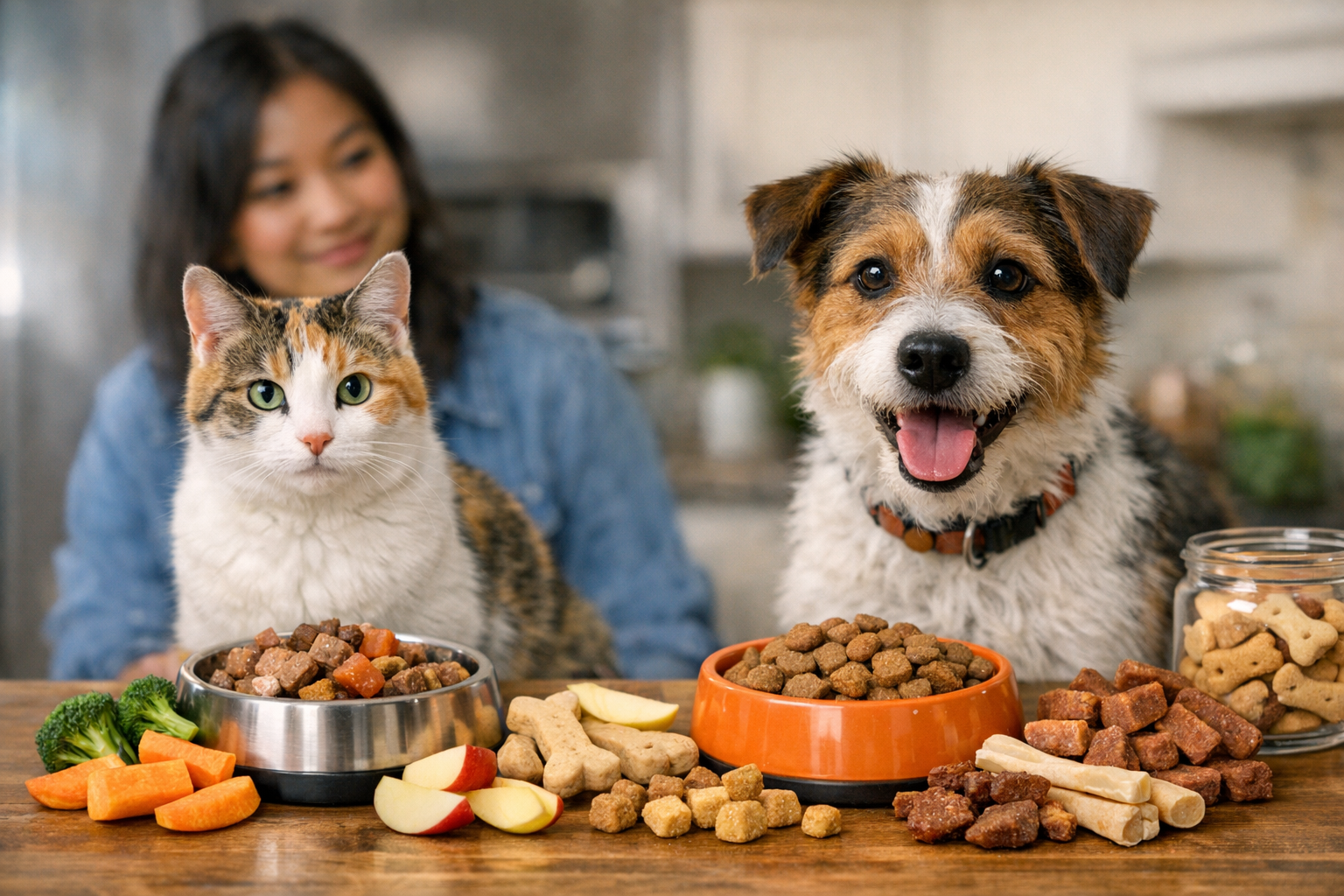
- Choose Healthy Options: Opt for low-calorie treats or natural snacks like carrots or apple slices.
- Watch Portion Sizes: Small treats can be just as rewarding without the extra calories.
Best Products or Treat Types
When looking for suitable treats for your pet, consider the following types:
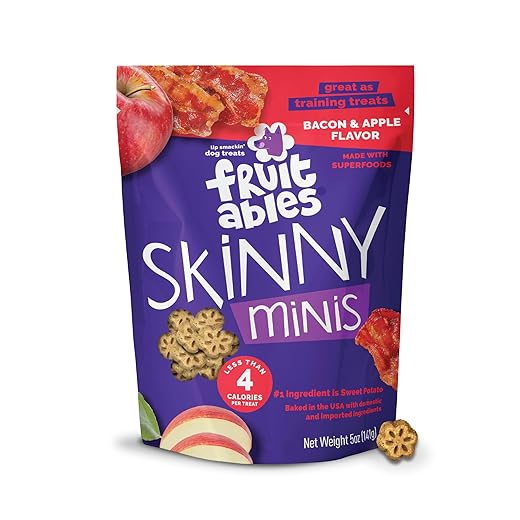
- Low-Calorie Treats: These are designed to be light on calories while still being tasty.
- Soft Chews: Easy to digest and can often be used for training.
- Natural Treats: Fruits and vegetables can provide crunch and flavor without added calories.
- Homemade Snacks: Prepare treats at home using pet-safe ingredients to control calories and nutrition.
- Freeze-Dried Treats: These often retain nutrients without adding calories.
Common Mistakes to Avoid
Many pet parents make common mistakes when determining how to use treats. Here are some to watch out for:
- Using Treats as a Meal Replacement: Treats should complement, not replace, a balanced diet.
- Ignoring Caloric Intake: Always account for the calories from treats in your pet’s daily limit.
- Choosing Low-Quality Treats: Avoid treats with lots of fillers, artificial ingredients, or high sugar content.
- Treat Overload: Regularly giving too many treats can lead to obesity and health issues.
- Assuming All Treats are Equal: Different treats have significantly different nutritional values; always do your research.
FAQs
1. Can I give my dog treats instead of their regular meals?
No, treats should not replace meals. They do not provide the balanced nutrition your pet needs.
2. How many treats can I give my pet each day?
As a rule of thumb, treats should be no more than 10% of your pet’s total daily caloric intake.
3. Are all treats safe for pets?
Not all treats are equal; some can contain harmful ingredients. Always read labels and consult your vet if unsure.
4. What kind of treats are best for my pet’s health?
Look for low-calorie, natural, and nutritious options. Fruits and vegetables make great healthy snacks.
5. Can treats be used for training purposes?
Yes, treats can be an effective tool for training, as they provide positive reinforcement.
6. How can I tell if my pet is overweight?
You can check for a visible waist, feel for ribs, and observe their energy levels. Consulting a veterinarian is also advisable.
Conclusion
Understanding the role of treats in your pet’s diet is vital for their overall health. While treats can offer enjoyment and rewards, they should not replace meals. Aim for moderation, choose healthy options, and always keep an eye on your pet’s caloric intake. By following these guidelines, you can ensure your furry friend stays happy and healthy!