


Building Confidence in Shy Dogs Using Food Puzzles and Treats
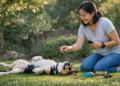
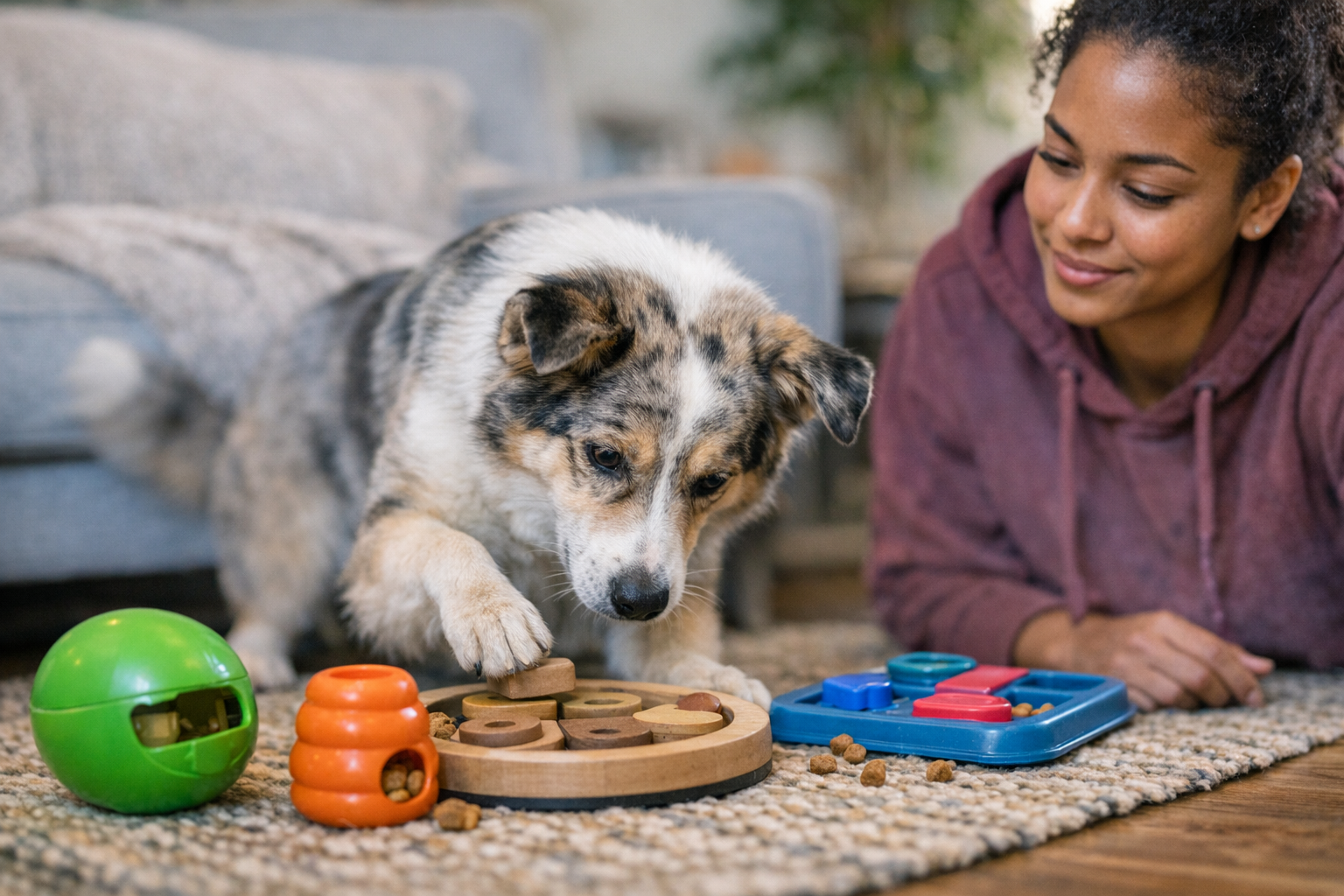
Shy dogs often struggle with anxiety and fear, which can make them seem distant or unapproachable. Using food puzzles and tasty treats can help build their confidence in a fun and engaging way. This article will explore how pet parents can use these tools to help their shy dogs feel more secure and self-assured.
Why This Topic Matters for Pet Parents
Understanding how to boost a shy dog’s confidence is crucial for pet owners. Here’s why:
- Improves overall behavior and socialization.
- Makes training easier and more effective.
- Helps reduce anxiety and stress for the dog.
- Creates a stronger bond between dog and owner.
Key Insights
Using food puzzles and treats can positively impact shy dogs. Here are some key insights:
- Engagement: Dogs are motivated by food, which makes puzzles a great way to keep them engaged.
- Problem-Solving Skills: Food puzzles encourage dogs to think, which boosts their confidence as they learn to solve problems.
- Gradual Exposure: Puzzles can distract dogs from scary situations, helping them to adapt slowly.
- Positive Reinforcement: Treats reward desired behaviors and encourage a growth mindset.
Expert Tips
Here are some veterinarian-style recommendations for pet parents looking to help their shy dogs:
- Start Slow: Introduce food puzzles gradually. Begin with easy ones and increase difficulty as your dog becomes more confident.
- Positive Environment: Create a calm area free from distractions when you introduce puzzles and treats.
- Routine: Incorporate food puzzles into your daily routine to establish a sense of predictability for your dog.
- Monitor Behavior: Pay attention to your dog’s body language. If they seem overwhelmed, take a step back.
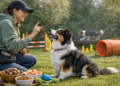
- Stay Consistent: Use consistent commands and rewards to reinforce learning and build confidence.
Best Products or Treat Types
Choosing the right food puzzles and treats is crucial. Here are some suggestions:
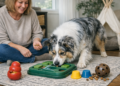
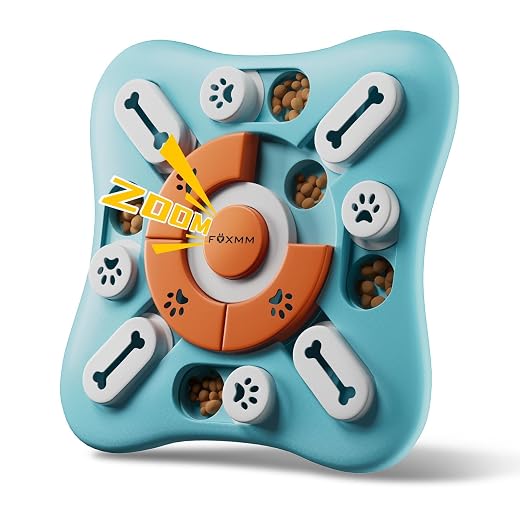
- Interactive Puzzles: Look for puzzles that require your dog to use their nose or paws to get the food out.
- Stuffed Toys: Chew toys that can be filled with treats can keep dogs occupied and mentally stimulated.
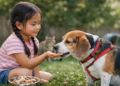
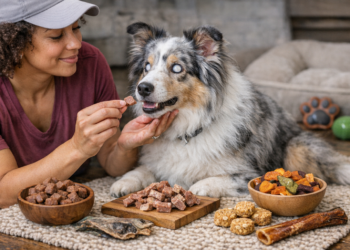
- Training Treats: Use small, soft treats that are easy to chew as rewards, ensuring they are appealing and low-calorie.
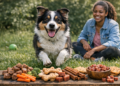
- Homemade Treats: Consider making your own treats using dog-friendly ingredients for added health benefits.
Common Mistakes to Avoid
When working with shy dogs, avoid these common mistakes:
- Rushing the Process: Giving a dog too much too soon can lead to anxiety. Take it slow.
- Ignoring Signs of Stress: If your dog shows signs of discomfort, such as barking, panting, or hiding, modify your approach.
- Using Only One Type of Puzzle: Dogs have different preferences; try a variety of puzzles to find what your dog enjoys most.
- Forgetting Exercise: Daily physical activity is important for reducing anxiety. Combine mental stimulation with regular walks.
FAQs
Here are some frequently asked questions about building confidence in shy dogs:
- How long will it take to see results?
Every dog is different. It may take weeks or months to build confidence, so be patient. - Can food puzzles help with overall anxiety?
Yes! They provide mental stimulation that can reduce anxiety levels over time. - Should I use food puzzles during training sessions?
Absolutely! They can make training more enjoyable and engaging for your dog. - What if my dog doesn’t like food puzzles?
Try different types or reward them with treats in other engaging ways. Every dog is unique. - Are there certain treats to avoid for shy dogs?
Avoid treats that are too large or hard to chew, as they might frustrate a shy dog.
Conclusion
Building confidence in shy dogs takes time, patience, and the right tools. Food puzzles and treats can be effective methods for helping your furry friend feel more secure and self-assured. By understanding your dog’s needs, using engaging products, and avoiding common mistakes, you can create a positive environment for growth. Celebrate every small victory, and remember that the journey to confidence is just as important as the destination.