
Best High-Fiber Treats for Dogs with Anal Gland Issues
Dealing with anal gland issues in dogs can be tough for both pets and their owners. High-fiber treats can help improve your dog’s digestive health and prevent these uncomfortable problems. This article covers why high-fiber treats matter, tips from experts, and the best options available.
Why This Topic Matters for Pet Parents
Anal gland issues are common in dogs and can lead to discomfort and health complications. Many pet owners find solutions through diet. High-fiber treats can promote healthy bowel movements and better anal gland function. Understanding the connection between fiber and anal gland health is crucial for every pet parent.
Key Insights
- Anal glands help dogs express scents and communicate.
- When dogs do not empty their anal glands naturally, it can lead to impaction and infections.
- A high-fiber diet can support regular bowel movements, helping to keep anal glands healthy.
- Fiber can come from various sources, including fruits, vegetables, and grains.
Expert Tips
Here are some veterinarian-style recommendations to help your dog with anal gland issues:
- Consult Your Vet: Always check with a veterinarian if your dog is having anal gland problems. They can provide a proper diagnosis and treatment plan.
- Increase Fiber Gradually: To prevent digestive upset, add fiber to your dog’s diet slowly. Monitor for any changes in digestion.
- Stay Hydrated: Ensure your dog has access to fresh water. Fiber works best when your dog is well-hydrated.
- High-Quality Treats: Choose treats with real ingredients and avoid fillers like corn or soy. Look for natural sources of fiber, such as pumpkin or sweet potatoes.
Best Products or Treat Types
Consider these types of high-fiber treats for your dog:
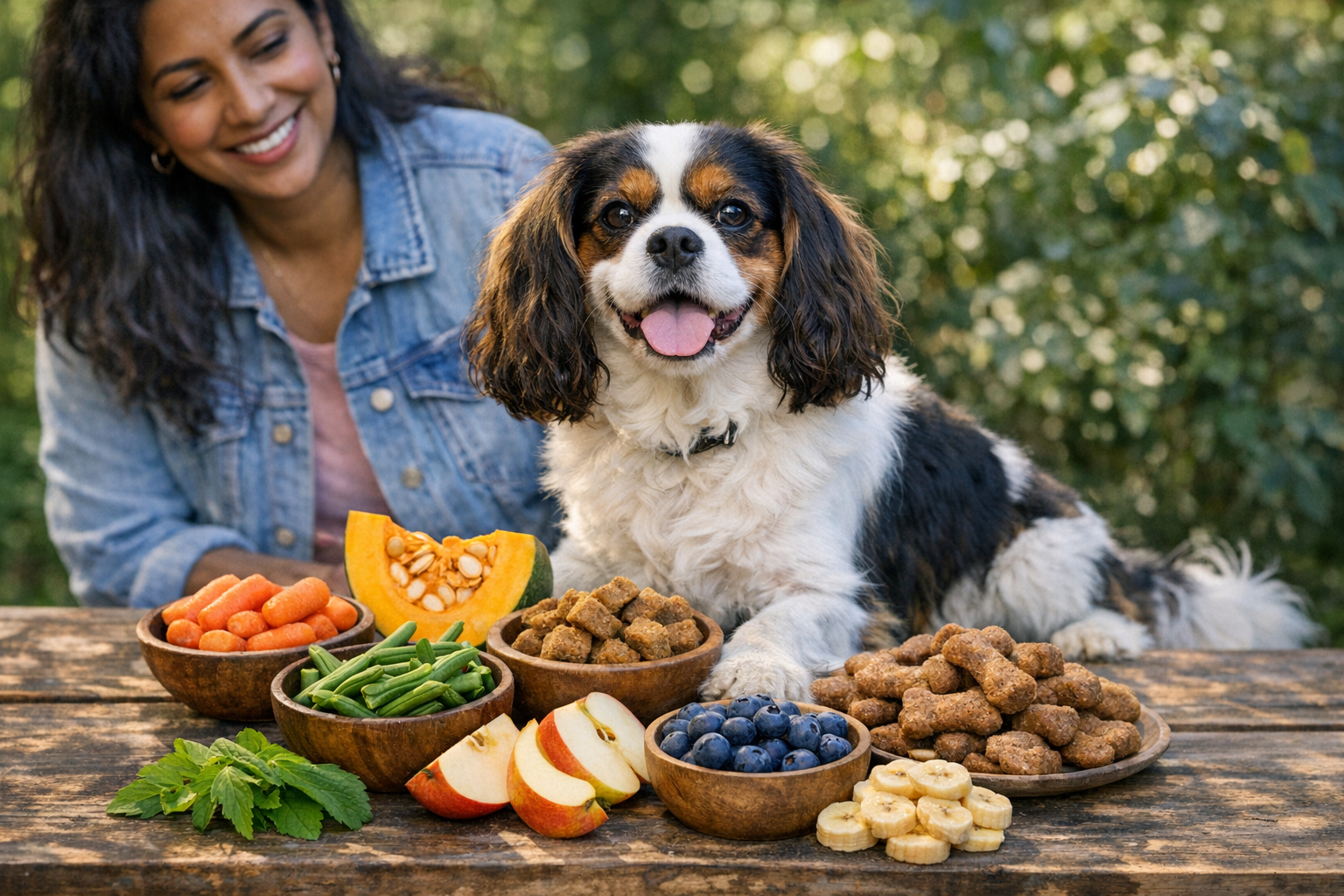
- Vegetable-Based Treats: Carrots, green beans, and peas are great veggie options that provide fiber and are low in calories.
- Fruits: Apples (without seeds), bananas, and blueberries are good additions. They contain fiber and are tasty for dogs.
- Homemade Treats: You can make your own treats using ingredients like pumpkin puree or oatmeal, which are fiber-rich.
- Commercial Fiber Treats: Look for treats specifically labeled for digestive health that contain quality fiber sources.
Common Mistakes to Avoid
Avoid these pitfalls when choosing high-fiber treats for your dog:
- Overfeeding Fiber: Too much fiber can cause gas and diarrhea. Stick to moderation!
- Ignoring Ingredients: Don’t choose treats with artificial ingredients or fillers that provide no nutritional value.
- Skipping Vet Visits: Never neglect regular vet check-ups. Anal gland issues can signal other health concerns.
- Assuming All Fiber is Good: Not all fiber sources are beneficial for dogs. Choose high-quality fiber like that from fruits and vegetables.
FAQs
1. How can I tell if my dog has anal gland issues?
Signs may include scooting, licking at their rear, or a foul odor. If you notice these symptoms, consult your vet.
2. Can high-fiber treats replace a balanced diet?
No, high-fiber treats should supplement a well-balanced diet, not replace it. Proper nutrition is key to overall health.
3. How often can I give my dog high-fiber treats?
Limit treats to about 10% of your dog’s daily caloric intake. Always consider their individual needs and vet recommendations.
4. Are there specific breeds prone to anal gland issues?
Smaller breeds and those with certain body types may be more prone to these concerns. Always consult your vet for advice on your dog’s breed.
5. Can I give my dog fiber supplements?
Yes, but discuss this with your vet first. They can recommend the right type and amount for your dog.
6. What are the signs that high-fiber treats are working?
Improved bowel movements, decreased discomfort, and a reduction in anal gland related issues are good signs.
Conclusion
High-fiber treats can significantly benefit dogs with anal gland issues. By choosing the right treats and following expert advice, you can help your furry friend stay healthy and comfortable. Always remember to consult your veterinarian for tailored guidance based on your dog’s specific needs.