
How Fiber Content in Treats Affects Canine Bowel Movements
Understanding the role of fiber in your dog’s diet is crucial for their overall health. This article explores how the fiber content in treats influences bowel movements in dogs. Learn about why fiber matters, expert tips, and how to choose the right treats for your furry friend.
Why This Topic Matters for Pet Parents
As a pet parent, you want what’s best for your dog. A healthy diet promotes good digestion and regular bowel movements. Fiber plays a significant role in digestive health. Knowing how to balance fiber in treats can help prevent constipation and other digestive issues.
Key Insights
- Types of Fiber: There are two main types of fiber—soluble and insoluble. Soluble fiber can help your dog with diarrhea, while insoluble fiber can aid in preventing constipation.
- Benefits of Fiber: Fiber can promote healthy gut bacteria, control weight, and improve overall digestion.
- Recommended Fiber Intake: Dogs need a diet that includes about 2-5% fiber.
- Signs of Fiber Deficiency: Look for signs like constipation, dry stools, excessive licking of the rear, and changes in appetite.
- Too Much Fiber: Overloading your dog with fiber can lead to loose stools and gas.
Expert Tips
Veterinarians recommend the following when it comes to fiber and your dog’s treats:
- Gradual Introduction: When adding fiber-rich treats, introduce them slowly to avoid stomach upset.
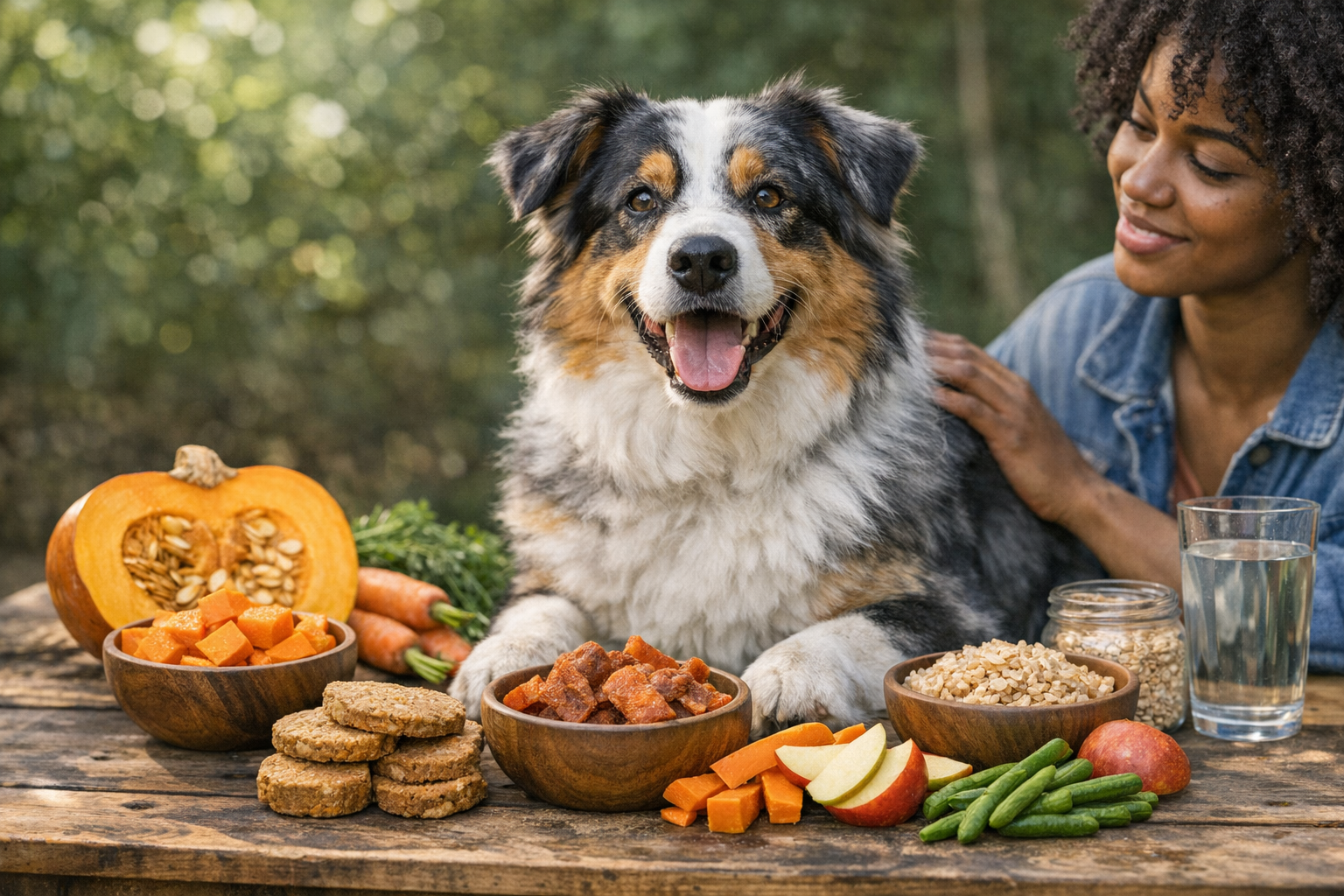
- Mix Fiber Sources: Use both soluble and insoluble fibers. Foods like pumpkin offer soluble fiber, while bran provides insoluble fiber.
- Stay Hydrated: Increase your dog’s water intake to help fiber do its job effectively in the digestive system.
- Monitor Reactions: Keep an eye on your dog’s bowel movements and general behavior after changing their treat routine.
- Consult Your Vet: Always talk to your veterinarian before making significant changes to your dog’s diet, especially if they have existing health issues.
Best Products or Treat Types
When it comes to treats, consider these types that are rich in fiber:
- Pumpkin-Based Treats: These are excellent for their high soluble fiber content.
- Sweet Potato Chews: Sweet potatoes contain both soluble and insoluble fiber.
- Oatmeal Biscuits: Oats are a great source of fiber while being gentle on the stomach.
- Fruit and Veggie Treats: Apples, carrots, and green beans can add fiber and various nutrients.
- Brown Rice Snacks: Brown rice is rich in fiber and can be a healthy treat option.
Common Mistakes to Avoid
- Not Reading Labels: Always check the fiber content on the package. Not all treats are made equally.
- Overfeeding Treats: Too many treats can upset your dog’s balance and lead to obesity.
- Ignoring Digestive Signs: If your dog shows signs of digestive distress, such as diarrhea or constipation, reconsider the treats.
- Neglecting Water: If you increase fiber, make sure your dog has access to plenty of fresh water.
- Forgetting Variety: A balanced diet includes a variety of nutrients, so don’t rely solely on high-fiber treats.
FAQs
1. How much fiber should my dog have daily?
Most dogs should have around 2-5% of their diet consisting of fiber. Each dog is different, so consult your vet for specific needs.
2. Can too much fiber harm my dog?
Yes, excessive fiber can lead to gas, diarrhea, and other digestive issues. Balance is key!
3. What are some signs that my dog needs more fiber?
If your dog is experiencing constipation, dry stool, or excessive straining, they may need more fiber in their diet.
4. Can I give my dog human food for treats?
Yes, but be cautious. Many human foods contain fiber and can be healthy treats, but make sure they’re safe for dogs.
5. Are there any specific dog breeds that need more fiber?
Some breeds are more prone to digestive issues and may benefit from a higher fiber diet. Discuss this with your vet if you have concerns.
6. Can I use fiber supplements for my dog?
Yes, fiber supplements can help if your dog needs an extra boost, but always consult your vet before starting any supplements.
Conclusion
Understanding how fiber affects your dog’s bowel movements is vital for their health. By choosing the right treats and following expert guidelines, you can ensure your furry friend maintains a healthy digestive system. Remember to balance fiber intake with regular vet check-ups to keep your dog happy and healthy!