
Best Treatments for Cat Constipation (High-Fiber Treats and Hydration)
Cat constipation can be uncomfortable and concerning for both pets and their owners. Proper hydration and high-fiber treats are essential in managing this common issue. This guide will help you understand effective treatments for constipation in cats, focusing on nutrition and hydration.
Why This Topic Matters for Pet Parents
Many cat owners face the challenge of constipation at some point. Understanding how to treat and prevent this condition is vital for your cat’s overall health. Constipation can lead to serious complications if not addressed promptly, including:
- Discomfort and pain for your cat
- Potential blockages in the digestive tract
- Increased vet visits and treatments
- Impact on your cat’s quality of life
Key Insights
Here are important points to know about cat constipation:
- Constipation often occurs when cats are dehydrated or lack dietary fiber.
- High-fiber treats can help regulate bowel movements.
- Hydration is just as crucial; always ensure your cat has access to fresh water.
- Some medical conditions can cause constipation, so monitoring your cat’s habits is important.
- Regular vet check-ups can help identify underlying issues contributing to constipation.
Expert Tips
Veterinarians recommend several strategies to prevent and treat cat constipation effectively:
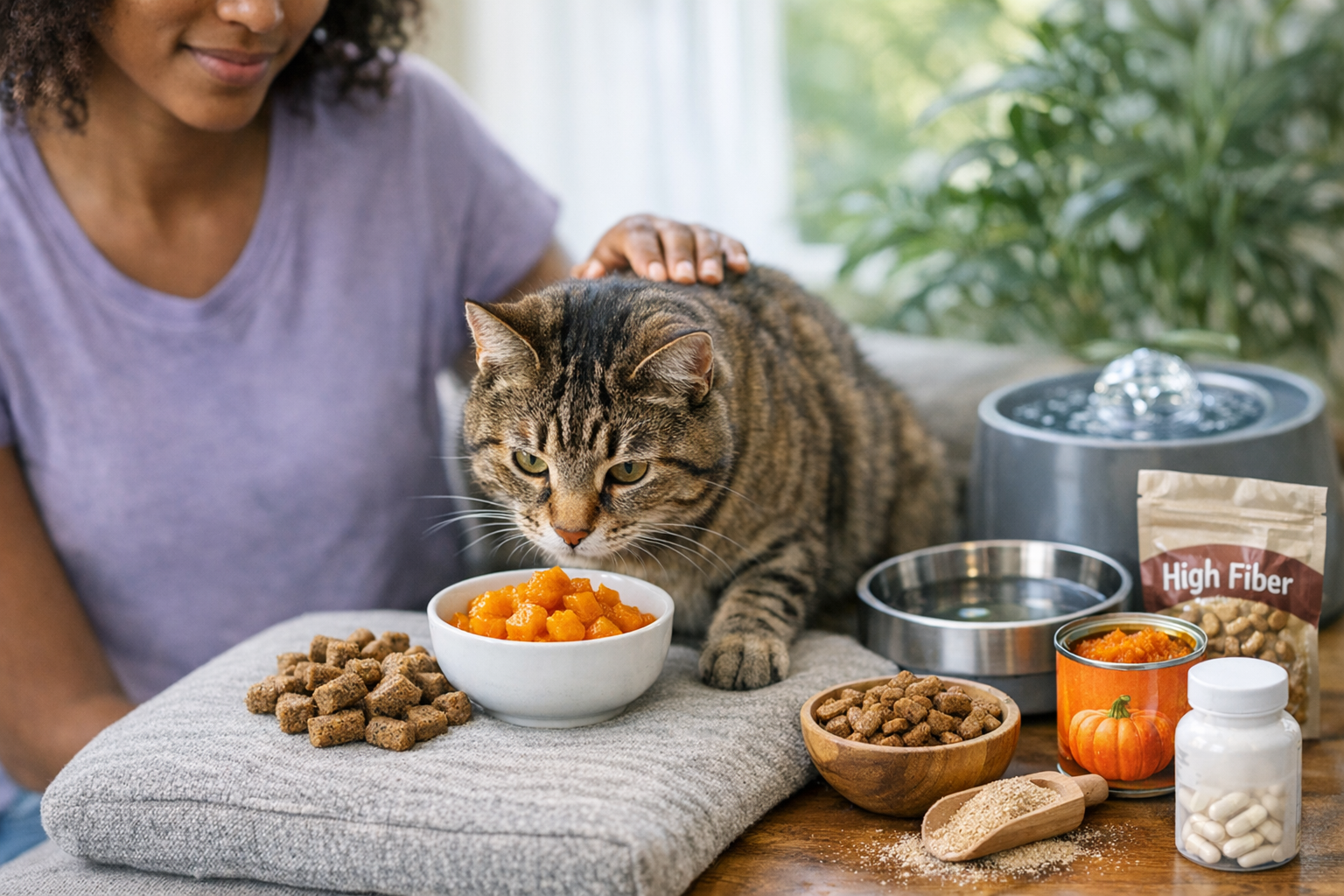
- Increase Fiber Intake: Look for high-fiber treats or add canned pumpkin to your cat’s diet, as it’s rich in fiber and moisture.
- Encourage Water Consumption: Provide fresh water daily and consider a pet water fountain to promote drinking.
- Regular Exercise: Ensure your cat has enough playtime; activity can help stimulate their bowels.
- Monitor Litter Box Habits: Keep an eye on your cat’s litter box. If they’re straining or spending a long time in the box, consult your vet.
- Use Treats as Rewards: Incorporate high-fiber treats as part of your cat’s regular rewards during training or playtime.
Best Products or Treat Types
Here are some highly recommended types of products that can help relieve and prevent cat constipation:
- High-Fiber Cat Treats: Look for treats specifically labeled as high in fiber. These usually contain added ingredients like beet pulp and psyllium.
- Canned Pumpkin: Pure, unsweetened canned pumpkin can be an excellent addition to your cat’s food.
- Fiber-Rich Dry Food: Some dry cat foods are formulated with higher fiber levels to aid digestion.
- Hydration Supplements: Adding wet food or a hydration gel can boost fluid intake if your cat is reluctant to drink water.
- Probiotics: Some probiotic supplements can promote digestive health and help with regularity.
Common Mistakes to Avoid
Here are some common mistakes pet parents make that can worsen constipation:
- Ignoring Symptoms: Don’t wait too long if you notice your cat straining or having irregular bowel movements.
- Switching Foods Suddenly: Gradually introduce new foods to avoid upsetting your cat’s stomach.
- Restricting Water: Never restrict your cat’s access to fresh water; dehydration can lead to constipation.
- Only Relying on Laxatives: Over-the-counter laxatives should only be used as directed by your veterinarian.
- Neglecting Weight Management: An overweight cat may be less active, which can contribute to constipation; maintain a healthy weight.
FAQs
1. What are the signs of constipation in cats?
Common signs include straining to defecate, infrequent bowel movements, hard or dry stools, and discomfort or pain while using the litter box.
2. Can constipation in cats be a serious issue?
Yes, if left untreated, constipation can lead to more serious health issues, including fecal impaction and megacolon, which may require surgical intervention.
3. How can I help my cat drink more water?
Provide fresh, clean water daily, consider a pet water fountain, and incorporate wet food into their diet to increase moisture intake.
4. Are there any specific foods to avoid if my cat is constipated?
Avoid high-fat foods, as they can slow down digestion. Also, limit dry food without sufficient fiber content.
5. How long should I wait before consulting a vet for my cat’s constipation?
If your cat hasn’t had a bowel movement in more than 48 hours or shows signs of distress, it’s best to consult your veterinarian.
6. Is it safe to give my cat over-the-counter medications for constipation?
It’s best to avoid giving over-the-counter medications without talking to your veterinarian first, as some can be harmful.
Conclusion
Managing cat constipation requires attention to diet and hydration. High-fiber treats and adequate water intake play crucial roles in keeping your cat’s digestive system healthy. Remember to monitor your cat’s litter box habits and consult your veterinarian if you notice any concerning symptoms. By taking proactive steps, you can help ensure your furry friend remains comfortable and healthy.