
Is Your Dog’s Treat Causing Constipation? High-Fiber vs. Low-Fiber
If your dog is having trouble with constipation, their treats could be a hidden culprit. Understanding the balance of fiber in your dog’s diet is crucial. In this article, we will explore how high-fiber and low-fiber treats affect your dog’s digestive health.
Why This Topic Matters for Pet Parents
As responsible pet parents, it’s important to recognize how our dog’s diet impacts their overall health. Constipation in dogs can lead to discomfort, pain, and serious health issues if not addressed. By understanding the role of fiber in your dog’s treats, you can make informed decisions that promote their digestive health and well-being.
Key Insights
- Fiber Types: There are two types of fiber—soluble and insoluble. Both play different roles in digestion.
- High-Fiber Benefits: High-fiber treats can help improve bowel movements and overall gut health.
- Low-Fiber Risks: Low-fiber treats may contribute to constipation, especially if your dog isn’t getting enough fiber from other food sources.
- Balanced Diet: A mix of high-fiber treats and regular meals can support a healthy digestive system.
- Hydration Matters: Always ensure your dog has access to fresh water, as hydration is key to preventing constipation.
Expert Tips
Veterinarians recommend certain approaches when choosing treats for your dog. Here are some tips:
- Check Label Ingredients: Look for treats that list ingredients like pumpkin, sweet potatoes, or whole grains, which are high in fiber.
- Gradual Changes: When switching your dog’s treats, do it gradually to avoid upset stomachs or digestive issues.
- Balance Fiber Intake: Aim for a diet that includes both high-fiber and low-fiber foods, according to your dog’s specific needs.
- Monitor Behavior: Keep an eye on your dog’s bathroom habits. If they frequently skip bowel movements, it might be time to reassess their diet.
- Consult Your Vet: If constipation persists, consider talking to your veterinarian for tailored advice.
Best Products or Treat Types
When choosing treats, look for the following types that can help manage your dog’s fiber intake:
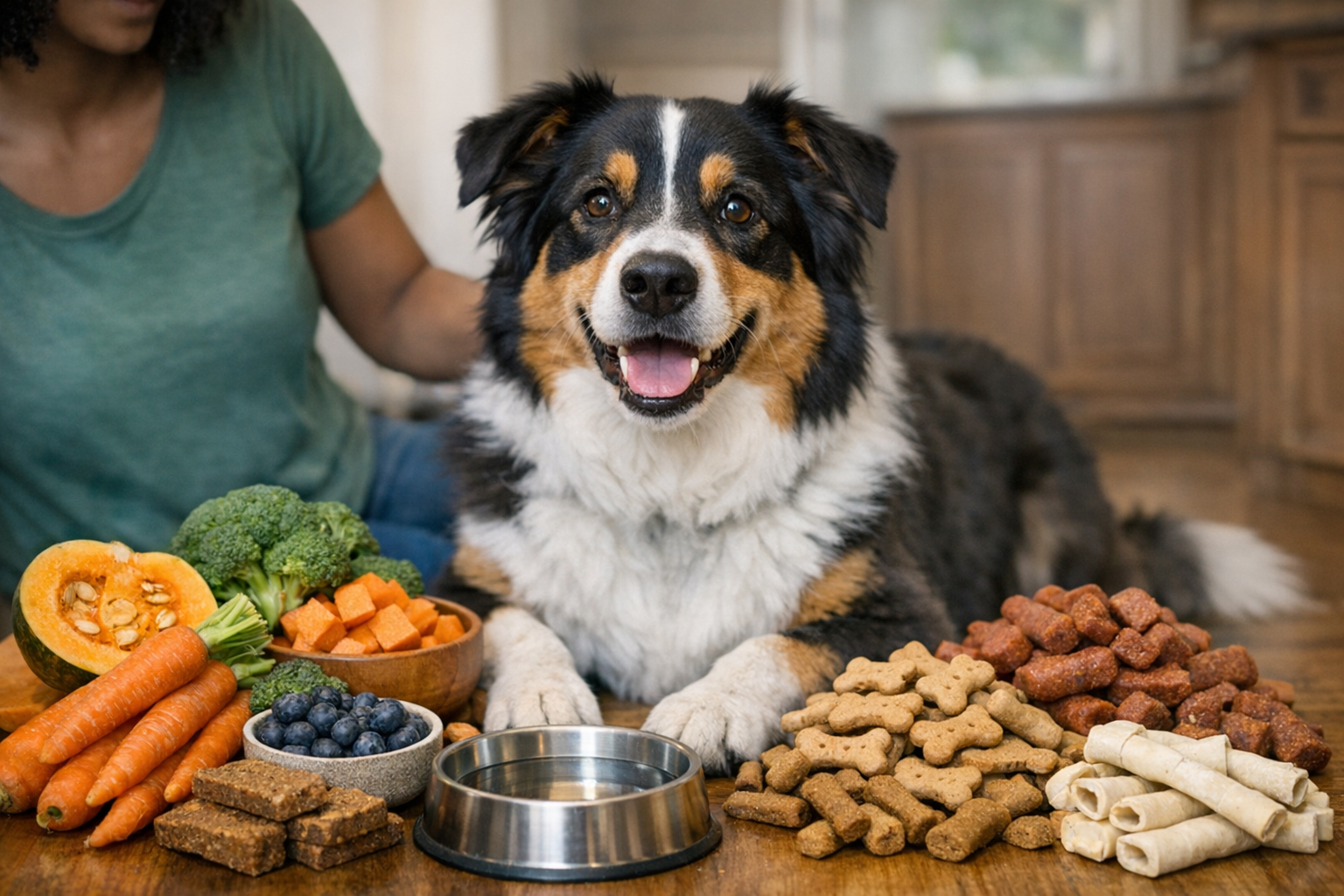
- Vegetable-Based Treats: Treats made from vegetables like carrots or peas can offer added fiber.
- Whole-Grain Options: Whole-grain biscuits often provide more fiber than refined grains.
- Fruit Treats: Freeze-dried fruits such as apples or blueberries are tasty and healthy fiber sources.
- Commercial High-Fiber Treats: Some brands offer treats specially formulated to be high in fiber.
- Homemade Options: Consider making your own dog treats using high-fiber ingredients.
Common Mistakes to Avoid
- Ignoring Portion Control: Overfeeding treats—whether high or low fiber—can lead to weight gain and digestive problems.
- Not Reading Labels: Many treats may contain ingredients that reduce fiber effectiveness, like fillers or low-quality grains.
- Dismissing Water Intake: Forgetting to encourage your dog to drink water can worsen any fiber benefits.
- Choosing Only Low-Fiber Options: Using low-fiber treats exclusively can lead to constipation issues.
- Sudden Dietary Changes: Rapid changes to your dog’s diet may lead to digestive upset. Always introduce changes slowly.
FAQs
1. How can I tell if my dog is constipated?
Common signs of constipation in dogs include straining to have a bowel movement, producing hard or dry stools, and showing discomfort while trying to go.
2. How much fiber does my dog need?
The amount of fiber needed can vary. Typically, a diet should consist of about 2-5% fiber for dogs. Consult your vet for personalized recommendations.
3. Are there side effects to high-fiber treats?
Too much fiber can lead to gas, bloating, or diarrhea. It’s essential to balance your dog’s diet and introduce new treats gradually.
4. Can I give my dog fruits and vegetables as snacks?
Yes! Many fruits and vegetables are safe and healthy for dogs. Just ensure they are dog-friendly and don’t contain any harmful substances.
5. What should I do if my dog is constipated?
If your dog is experiencing constipation, ensure they are well-hydrated, adjust their diet gradually, and consult your veterinarian if the issue persists.
Conclusion
Understanding how high-fiber and low-fiber treats affect your dog’s digestive health is essential for preventing constipation. By making informed choices about your dog’s diet, monitoring fiber intake, and consulting with your vet when needed, you can keep your furry friend’s digestive system running smoothly. Always remember that a balanced diet along with proper care and attention will help maintain your dog’s health and happiness.