

• About
  • Contact Us
  • Home
  • Privacy Policy
Wednesday, May 13, 2026
Treat Ninja - Your Guide to a Happier Pet
No Result
View All Result
No Result
View All Result
Treat Ninja - Your Guide to a Happier Pet
No Result
View All Result
Home Health & Safety Gut Health

Identifying and Treating Canine Pancreatitis: Treat Safety Guide

December 21, 2025
in Gut Health, Health & Safety
0 0
0
0
SHARES
1
VIEWS
Share on TwitterShare on Facebook
Top Rated
Freeze-Dried Beef Liver Dog Training Treats
Amazon.com
Freeze-Dried Beef Liver Dog Training Treats
BUY NOW
Trending Now
Low Fat Digestive Care Dog Food
Amazon.com
Low Fat Digestive Care Dog Food
BUY NOW
Top Rated
Freeze-Dried Beef Liver Dog Training Treats
Amazon.com
Freeze-Dried Beef Liver Dog Training Treats
BUY NOW
Trending Now
Low Fat Digestive Care Dog Food
Amazon.com
Low Fat Digestive Care Dog Food
BUY NOW

Identifying and Treating Canine Pancreatitis: Treat Safety Guide

Canine pancreatitis is a serious condition that can affect your dog’s health. As a pet parent, knowing how to spot the signs and what treatments are safe can help keep your furry friend healthy. This guide provides essential information about pancreatitis, its symptoms, and how to treat it safely.

Why This Topic Matters for Pet Parents

Understanding canine pancreatitis is crucial because:

  • It can be life-threatening if not addressed promptly.
  • Many common dog treats can trigger the condition.
  • Early detection can lead to better outcomes.

Key Insights

Here are some important points about canine pancreatitis:

Must-Have
Real Chicken Jerky Dog Treats for Chewing
Made with 100% Real Chicken Breast
PUR LUV Chicken Jerky Dog Treats satisfy your dog's craving for real chicken and their natural desire to chew, made with healthy ingredients for optimal digestion.
View Price at Amazon.com
  • Pancreatitis occurs when the pancreas becomes inflamed.
  • It can be caused by a high-fat diet, obesity, or certain medications.
  • Symptoms include vomiting, diarrhea, loss of appetite, and abdominal pain.
  • Diagnosis typically requires blood tests and possibly imaging.
  • Treatment often involves a special diet and medication.

Expert Tips

Veterinarians recommend the following tips for managing and preventing pancreatitis:

  • Monitor Your Dog’s Diet: Choose low-fat, high-quality foods and treats.
  • Watch for Warning Signs: Look for changes in appetite, energy, and bathroom habits.
  • Regular Vet Visits: Schedule yearly check-ups, especially for at-risk breeds.
  • Weight Management: Keep your dog at a healthy weight to reduce risk.
  • Avoid Human Food: Don’t feed your dog table scraps that are high in fat.

Best Products or Treat Types

When choosing treats for dogs prone to pancreatitis, consider these types:

Top Rated
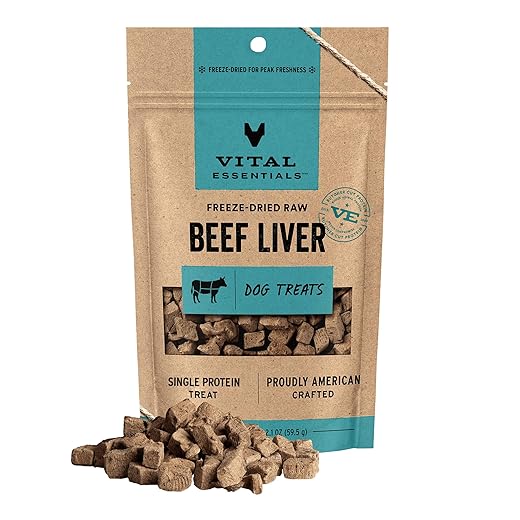
Freeze-Dried Beef Liver Dog Training Treats
Premium Quality, Grain-Free Nutrition
Vital Essentials Freeze Dried Beef Liver Dog Treats deliver superior raw protein benefits for your dog's health, aiding in energy, digestion, and dental cleanliness.
View Price at Amazon.com
Top Rated
Freeze-Dried Beef Liver Dog Training Treats
Premium Quality, Grain-Free Nutrition
Vital Essentials Freeze Dried Beef Liver Dog Treats deliver superior raw protein benefits for your dog's health, aiding in energy, digestion, and dental cleanliness.
View Price at Amazon.com
  • Low-Fat Treats: Look for treats with minimal fat content.
  • Vegetable Snacks: Carrots and green beans are healthy, low-calorie options.
  • Frozen Treats: These can be made from pureed fruits or veggies without added fats.
  • Single-Ingredient Treats: Choose options made from single protein sources without fillers.
  • Homemade Treats: Baking your own with safe ingredients allows you to control the fat content.

Common Mistakes to Avoid

Here are some mistakes pet parents should avoid when it comes to canine pancreatitis:

  • Ignoring Symptoms: Delaying the vet visit can worsen the condition.
  • Feeding High-Fat Treats: Treats like bacon or cheese can trigger pancreatitis.
  • Switching Diets Too Quickly: Always transition to new foods gradually over several days.
  • Not Following Vet Advice: Straying from your vet’s dietary recommendations can be harmful.
  • Neglecting to Monitor Weight: Regularly check your dog’s weight to ensure it stays within a healthy range.

FAQs

1. What causes canine pancreatitis?

Trending Now
Low Fat Digestive Care Dog Food
Supports Healthy Digestion and Immunity
Hill's Prescription Diet i/d Dog Food offers low-fat nutrition to settle digestive issues, fortified with prebiotics and omega fatty acids for overall wellness.
View Price at Amazon.com

Canine pancreatitis can be caused by a high-fat diet, obesity, certain medications, and sometimes it can occur without a known cause.

Trending Now
Low Fat Digestive Care Dog Food
Supports Healthy Digestion and Immunity
Hill's Prescription Diet i/d Dog Food offers low-fat nutrition to settle digestive issues, fortified with prebiotics and omega fatty acids for overall wellness.
View Price at Amazon.com

2. How do I know if my dog has pancreatitis?

Signs include vomiting, diarrhea, abdominal pain, and a loss of appetite. If you notice these symptoms, consult your veterinarian.

3. Can pancreatitis be prevented?

Yes, maintaining a healthy diet, managing your dog’s weight, and avoiding high-fat treats can help prevent pancreatitis.

4. What is the treatment for canine pancreatitis?

Treatment usually involves a low-fat diet, medications for pain and inflammation, and sometimes hospitalization for severe cases.

5. Are some breeds more at risk for pancreatitis?

Yes, certain breeds like Miniature Schnauzers, Yorkshire Terriers, and Dachshunds are more prone to developing pancreatitis.

6. Can dogs with pancreatitis still have treats?

Yes, but it’s important to choose low-fat, healthy options. Always consult your vet before introducing new treats.

Conclusion

Canine pancreatitis is a serious but manageable condition. As a pet parent, it’s vital to stay informed about the risks and treatment options. By monitoring your dog’s diet, avoiding harmful treats, and watching for symptoms, you can help keep your furry friend happy and healthy. Always consult your veterinarian for the best course of action if you suspect your dog may be experiencing pancreatitis.


TweetShareShare
Previous Post

Leash Manners Mastered: Distraction-Proofing with Medium-Value Treats

Next Post

The Rise of Insect-Based Pet Treats: Sustainable & Hypoallergenic

Related Posts

Hyperthyroidism in Cats: Treat Restrictions and Safety Guidelines

April 14, 2026

The Scoop on Liverwurst and Liver Treats: Benefits and Portion Control

April 12, 2026

Is Your Dog’s Treat Causing Constipation? High-Fiber vs. Low-Fiber

April 11, 2026

Recognizing Deceptive Marketing on “All-Natural” Pet Treat Labels

April 8, 2026

The Complete Buyer’s Guide to Dental Water Additives (Treat Alternative)

April 6, 2026

Best Probiotics for Feline Gut Health: How to Choose a Supplement Treat

April 5, 2026

Best Frozen Treats for Dogs: Keeping Cool in the Summer Heat

March 31, 2026

Top 6 Limited Ingredient Treats for Dogs with Extreme Sensitivities

March 25, 2026
Load More
Next Post

The Rise of Insect-Based Pet Treats: Sustainable & Hypoallergenic

Please login to join discussion

Popular Post

  • Understanding Sodium Content in Treats and Its Impact on Pet Hearts

    0 shares
    Share 0 Tweet 0
  • Training the Perfect Photo Pose with Tiny, Quick Treats

    0 shares
    Share 0 Tweet 0
  • Top 7 Beef-Free Treats for Dogs with Beef Allergies (2026)

    0 shares
    Share 0 Tweet 0
  • Hyperthyroidism in Cats: Treat Restrictions and Safety Guidelines

    0 shares
    Share 0 Tweet 0
  • Teaching Your Dog to Fetch and Bring Toys Back for a Reward

    0 shares
    Share 0 Tweet 0
  • The Scoop on Liverwurst and Liver Treats: Benefits and Portion Control

    0 shares
    Share 0 Tweet 0

About Us

Treat Ninja is here to help guide you through the world of pets and their health through positive reinforcement.

Recent News

Understanding Sodium Content in Treats and Its Impact on Pet Hearts

April 17, 2026

Training the Perfect Photo Pose with Tiny, Quick Treats

April 16, 2026

© 2025 Your Guide to a Happier Pet.

Welcome Back!

Login to your account below

Forgotten Password?

Retrieve your password

Please enter your username or email address to reset your password.

Log In
No Result
View All Result
  • Home
  • Health & Safety
    • Dental Health
    • General Health
    • Gut Health
    • Human Food Safety
    • Medical Conditions
    • Nutrition Science
    • Preparation & Storage
    • Specialty Diets
  • Recipes & DIY
    • DIY Guides
    • Fruit & Veggie Recipes
  • Reviews & Buying Guides
    • Allergy & Sensitivity
    • Budget Picks
    • Cat Specific
    • Lifestage & Lifestyle
    • Luxury & Gifts
    • Product Comparisons
    • Product Roundups
    • Single-Ingredient
    • Specialty Pets
  • Training & Strategy
    • Anxiety & Calming
    • Behavior Modification
    • Enrichment
    • Motivation & Reward
    • Training Techniques

© 2025 Your Guide to a Happier Pet.