


Leash Manners Mastered: Distraction-Proofing with Medium-Value Treats
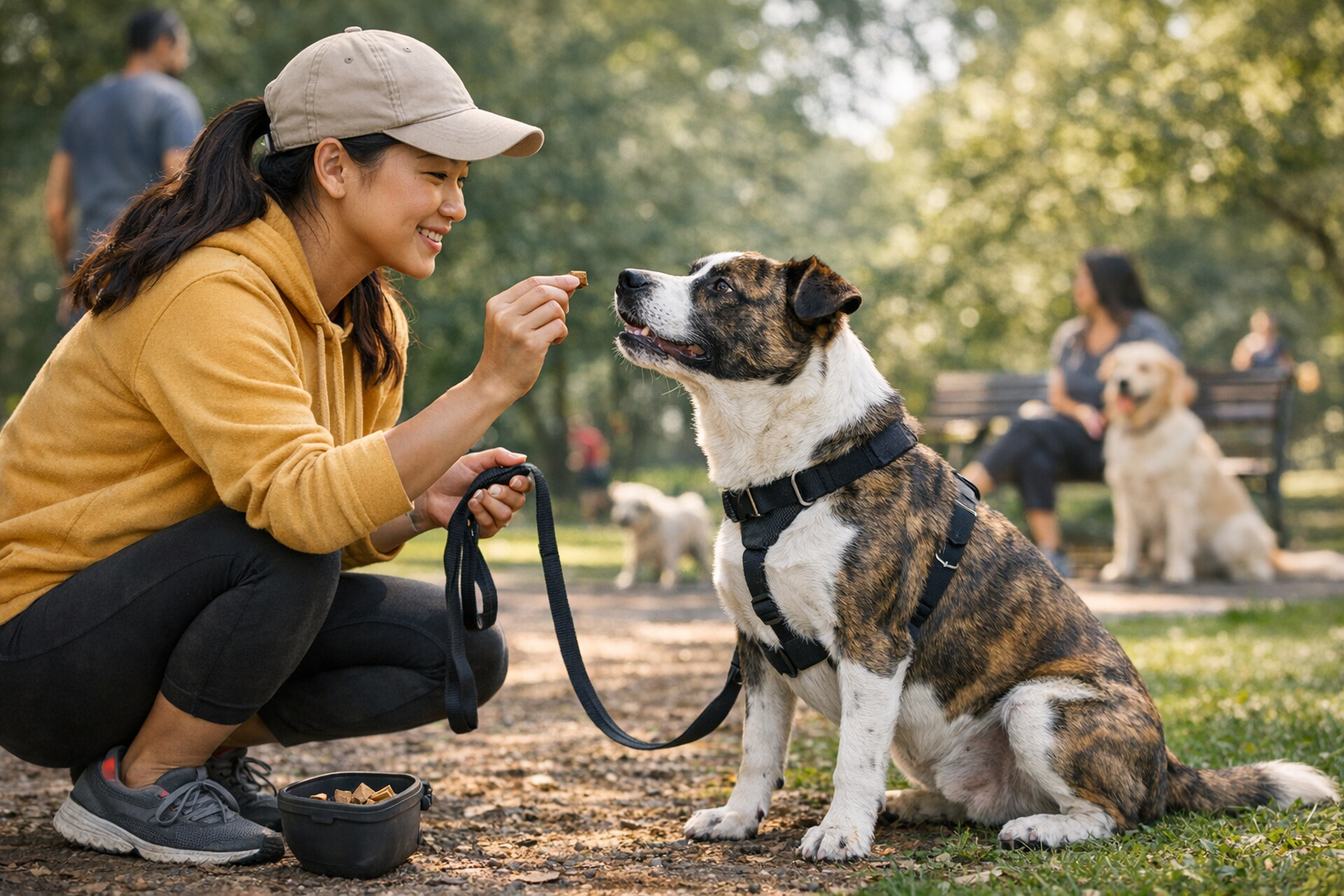
Training your dog to walk on a leash without pulling or getting distracted is essential for a harmonious walk. Using medium-value treats can help improve your dog’s focus and reinforce good behavior. This article will guide you through the significance of leash manners and the best practices for effective training.
Why This Topic Matters for Pet Parents
Good leash manners are vital for both dogs and their owners. They ensure safety during walks and create a more enjoyable experience for everyone involved. Here are a few reasons why leash training matters:
- Safety: A well-trained dog is less likely to run into traffic or approach aggressive animals.
- Control: Good leash manners provide better control over your dog in various environments.
- Socialization: Dogs that are well-behaved on the leash are easier to socialize with other dogs and people.
Key Insights
Understanding the basics of using medium-value treats for leash training is essential. Here are the key insights:
- Medium-Value Treats: These treats are tasty but not overly exciting for the dog, making them perfect for training without causing distractions.
- Positive Reinforcement: Dogs respond best to rewards, creating a positive association with good behavior.
- Gradual Exposure: Practice leash manners in progressively busier environments to help your dog get accustomed to distractions.
Expert Tips
Veterinarians and trainers recommend several techniques for successful leash training:
- Start in a Quiet Area: Begin training in a low-distraction environment, like your backyard or a quiet park.
- Use the “See It, Treat It” Technique: When your dog looks at a distraction but maintains focus, reward them immediately with a treat.
- Short Sessions: Keep training sessions brief (5-10 minutes) to hold your dog’s attention.
- Stay Calm: Your demeanor affects your dog’s behavior. Stay calm and reassuring during walks.
- Consistency is Key: Use the same commands and cues each time to help your dog understand.
Best Products or Treat Types
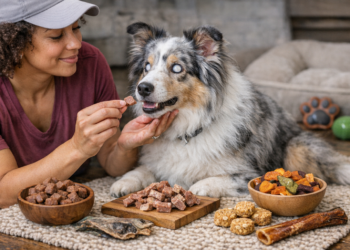
Choosing the right treats for training can make a big difference. Here are some ideal types of medium-value treats:
- Soft Chewy Treats: These are easy to chew and swallow, making them quick rewards during training.
- Small Kibble: Regular dog food or kibble can serve as a good medium-value treat when training.
- Homemade Treats: Simple recipes with peanut butter or pumpkin can be healthy and motivating.
- Pate or Wet Dog Food: A small amount can be a juicy reward, especially during focus training.
Common Mistakes to Avoid
While training, avoid these common pitfalls:
- Using High-Value Treats All the Time: While tempting, high-value treats can make a dog overly excited and distracted.
- Inconsistent Commands: Using different words or tones can confuse your dog.
- Skipping Practice: Regular practice is necessary for reinforcing good leash manners.
- Reprimanding for Mistakes: Instead of scolding, focus on redirecting your dog’s attention to positive behavior.
FAQs
1. How often should I train my dog on leash manners?
Training sessions should be short and frequent, ideally 5-10 minutes several times a week.
2. What if my dog pulls on the leash?
Stop walking, wait for your dog to return to your side, and reward them when they do. This teaches them that pulling won’t get them anywhere.
3. Can I use toys as rewards instead of treats?
Yes! Some dogs are motivated by toys or playtime, while others respond best to treats. Know your dog’s preferences.
4. How can I gradually increase distractions during training?
Start in a quiet place and slowly move to busier environments, rewarding your dog for staying focused as distractions increase.
5. What should I do if my dog won’t focus on me?
Try using more enticing treats, work in a less distracting environment, and ensure your dog isn’t overstimulated or tired.
6. How can I tell if my dog is ready for leash training?
Signs include a stable temperament, ability to follow basic commands, and a willingness to engage with you.
Conclusion
Mastering leash manners and distraction-proofing your dog using medium-value treats is a rewarding journey. Understanding the importance of consistency, positive reinforcement, and proper training techniques will ultimately lead to more enjoyable walks. With patience and practice, you’ll create a well-mannered walking companion ready for any adventure. Happy training!