

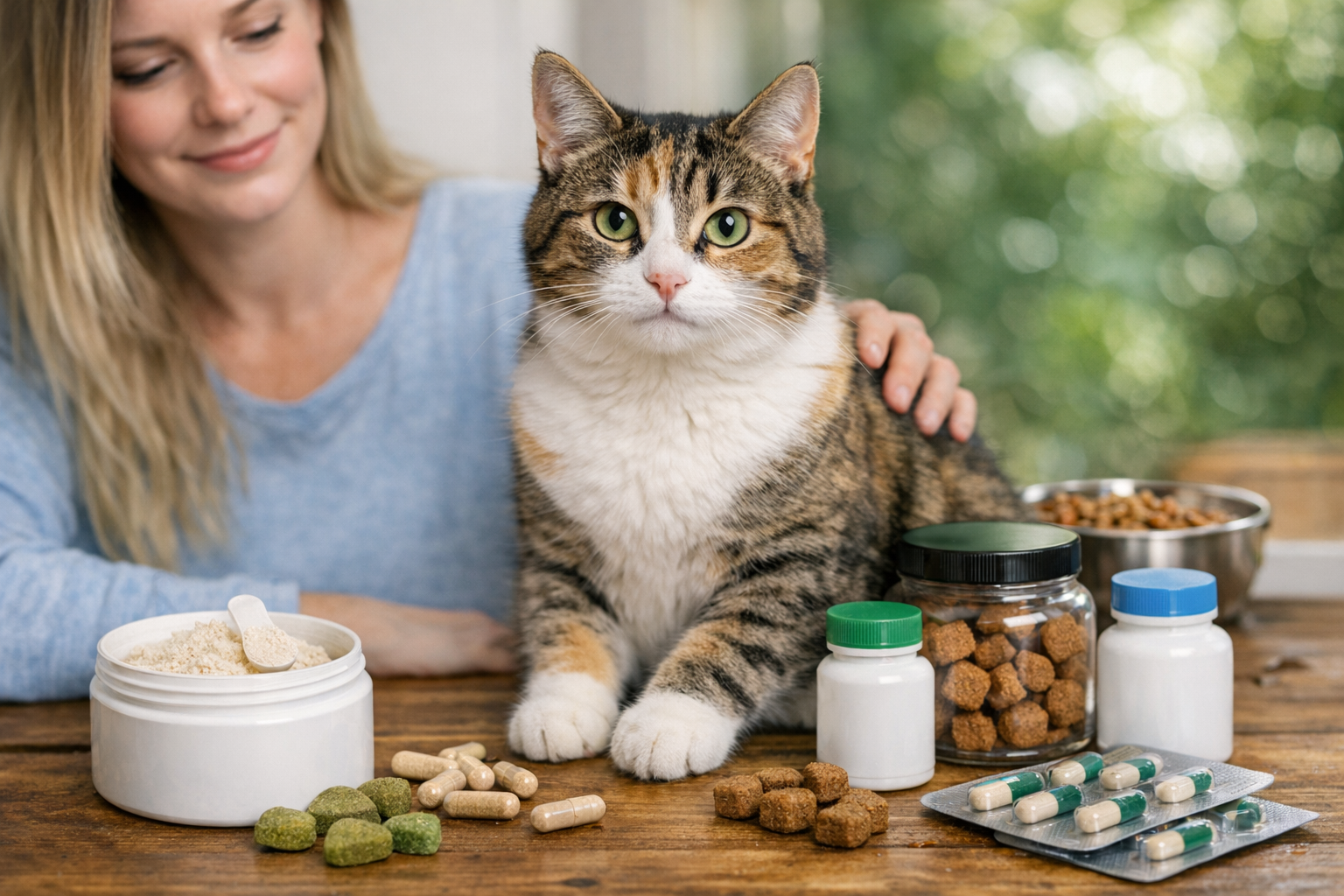
Best Probiotics for Feline Gut Health: How to Choose a Supplement Treat
Finding the right probiotics for your cat can significantly enhance their gut health. Good gut health is essential for your feline’s overall well-being, digestion, and immune system. In this article, we’ll guide you through the best options and tips for choosing the perfect probiotic supplement or treat for your furry friend.
Why This Topic Matters for Pet Parents
As a pet parent, you want the best for your cat. Understanding gut health is crucial because:
- Probiotics can help improve digestion and nutrient absorption.
- They support the immune system, making your cat less prone to illness.
- A healthy gut may reduce allergy symptoms and skin issues.
Key Insights
- Probiotics are live microorganisms that provide health benefits when consumed.
- Common strains beneficial for cats include Lactobacillus and Bifidobacterium.
- Probiotics can help with diarrhea, constipation, and irritable bowel syndrome (IBS).
- Both powder and treat forms are available, offering flexibility in administration.
Expert Tips
Veterinarians recommend the following when choosing probiotics for your cat:
- Check for the Right Strains: Look for products containing strains like Lactobacillus acidophilus, which are proven to be beneficial for cats.
- Choose High-Quality Brands: Opt for brands that are transparent about their ingredients and manufacturing processes.
- Consider Your Cat’s Needs: If your cat has specific health concerns, consult your vet for tailored recommendations.
- Monitor Reactions: Introduce the probiotic gradually and watch for any changes in behavior or stool consistency.
- Look for Guaranteed Potency: Ensure the product guarantees live cultures until the expiration date for maximum effectiveness.
Best Products or Treat Types
When shopping for probiotics, here are some types of products to consider:
- Powder Supplements: Easy to mix with food, allowing for precise dosing.
- Chewable Treats: Cats love treats, making them an enjoyable way to get probiotics.
- Capsules: Can be opened and mixed into food but may be harder to administer.
- Multivitamin Probiotics: These combine probiotics with vitamins and minerals for extra benefits.
Common Mistakes to Avoid
Here are some common pitfalls to steer clear of when selecting probiotics for your feline:
- Ignoring Label Information: Always read the ingredient list and ensure you understand what you’re giving your cat.
- Overdosing: Less is often more; follow dosage recommendations carefully.
- Choosing for Humans: Never give your cat human probiotics, as the strains may not be suitable for them.
- Neglecting Veterinarian Advice: Always consult your vet, especially if your cat has pre-existing health issues.
- Stopping Too Soon: Probiotics may take time to show benefits, so give them a fair trial before judging their effectiveness.
FAQs
1. How do probiotics benefit my cat?
Probiotics support healthy gut bacteria, improve digestion, and boost the immune system, leading to better overall health.
2. Can I give my cat human probiotics?
No, human probiotics may contain strains that aren’t effective or safe for cats. It’s best to use feline-specific products.
3. How long does it take to see results from probiotics?
Results can vary. Some improvements may be noticed within a few days, while others might take several weeks.
4. Are there any side effects of probiotics for cats?
Usually, probiotics are safe for cats, but some may experience mild digestive upset initially. If symptoms persist, consult your vet.
5. How do I introduce probiotics to my cat’s diet?
Start with a small amount mixed into their food, gradually increasing to the recommended dose. Keep an eye on their reactions.
6. Can I use probiotics to treat gastrointestinal diseases?
While probiotics can help manage some gastrointestinal issues, they should not replace veterinary treatment for serious conditions.
Conclusion
Choosing the right probiotic for your cat can greatly benefit their gut health, digestion, and overall well-being. By understanding the importance of probiotics, following expert tips, and avoiding common mistakes, you can make a more informed choice. Always consult your veterinarian to ensure your chosen product fits your cat’s unique health needs. With the right probiotics, you’ll help your kitty feel happier and healthier.