
Recognizing Deceptive Marketing on “All-Natural” Pet Treat Labels
As pet parents, we want the best for our furry friends. With the rise of “all-natural” pet treats, it’s crucial to understand what that label truly means. Some products aren’t as healthy as they seem. This article helps you spot deceptive marketing so you can make informed decisions for your pet’s health.
Why This Topic Matters for Pet Parents
Making the right choices about your pet’s food and treats is vital. Here’s why recognizing deceptive marketing matters:
- Protecting your pet’s health: Some “natural” treats can contain harmful additives.
- Saving money: You might pay more for products that aren’t really beneficial.
- Ensuring quality: Knowing labels can help you choose the best ingredients.
Key Insights
Here are some important points to keep in mind when reading pet treat labels:
- No Standard Definition: There is no legal definition of “all-natural” in pet food.
- Ingredient Sourcing: Ingredients may be labeled “natural,” but sourced from dubious places.
- Hidden Ingredients: Products may contain artificial additives disguised by vague terms.
- Health Claims: Labels may exaggerate nutritional benefits with fancy wording.
Expert Tips
To help you navigate pet treat labels, here are some expert recommendations:
- Read the Ingredients List: Look for familiar ingredients you can recognize.
- Avoid Buzzwords: Don’t be swayed by trendy terms like “holistic” or “premium.”
- Check for Certifications: Look for trustworthy certifications like AAFCO or the USDA Organic seal.
- Ask Your Veterinarian: Always consult your vet, especially if your pet has health concerns.
Best Products or Treat Types
Instead of focusing on brands, consider these types of treats that are typically healthier:
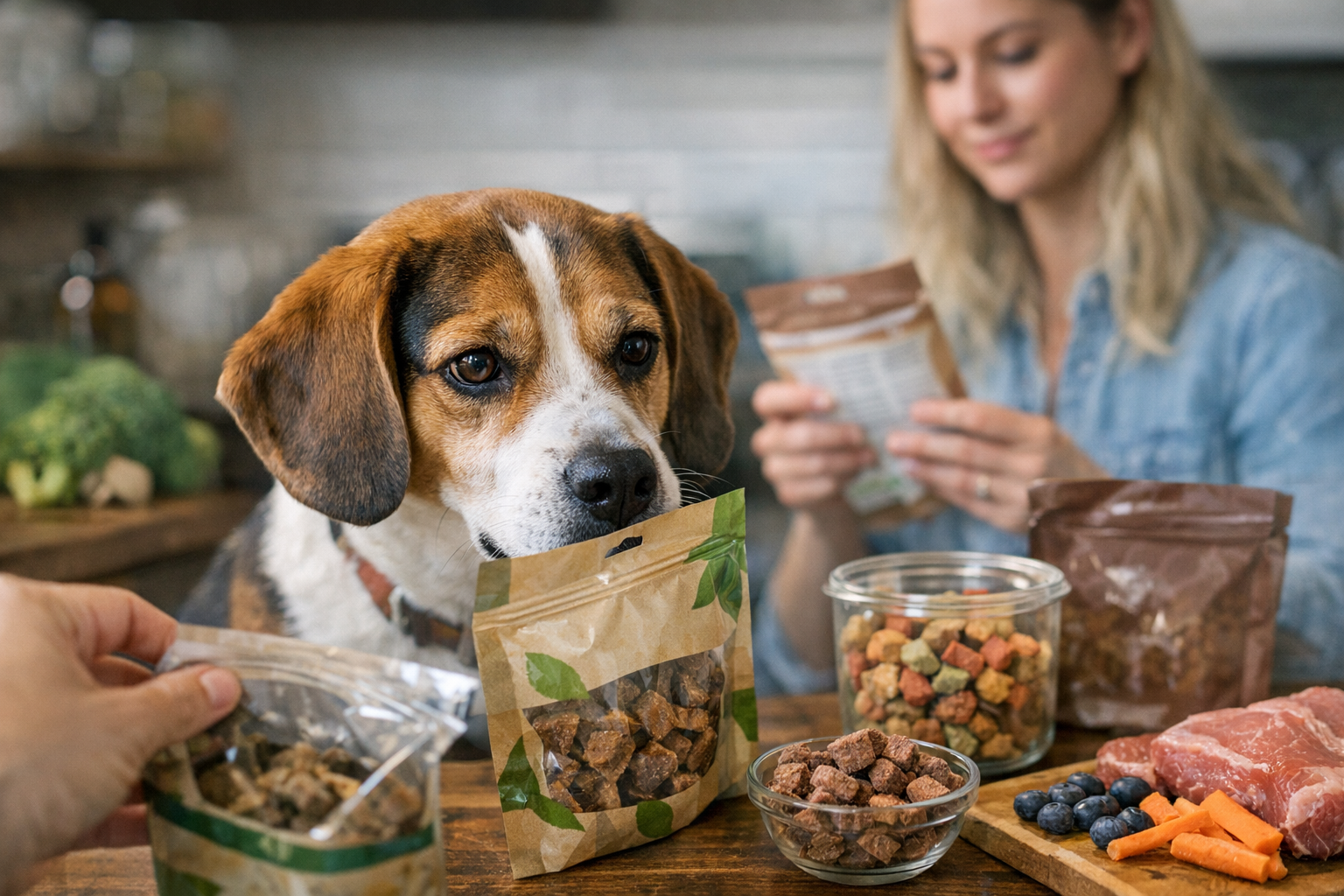
- Single-Ingredient Treats: Look for freeze-dried meat, fish, or fruits without additives.
- Organic Treats: Treats made from organic ingredients are less likely to contain harmful chemicals.
- Homemade Treats: Making treats at home allows you to control the ingredients exactly.
- Vet-Recommended Snacks: Some veterinary clinics sell treats specifically designed for your pet’s needs.
Common Mistakes to Avoid
To protect your pet’s health, avoid these common pitfalls:
- Trusting Labels Alone: Don’t rely solely on the front label; always check ingredients.
- Ignoring Emotions in Marketing: Be wary of labels that tug at your heartstrings but lack substance.
- Buying “Cheap” Treats: Beware of prices that seem too good to be true; quality costs money.
- Promotions and Sales: Don’t be fooled by promotions; focus on real ingredient quality instead.
FAQs
1. What does “all-natural” really mean?
“All-natural” can vary greatly and is not strictly regulated. Always check the ingredients list for clarity.
2. Are there harmful ingredients I should look for?
Yes, avoid treats containing artificial colors, preservatives, and fillers like corn or soy.
3. Can I give my pet table scraps as treats?
Some table scraps can be harmful. Stick to pet-safe fruits and vegetables, and consult your vet.
4. Is homemade pet food better than store-bought?
Homemade can be healthier if you’re knowledgeable about pet nutrition. Consult your veterinarian for guidance.
5. How can I tell if a treat is worth the money?
Check for high-quality, recognizable ingredients, and avoid anything with fillers or artificial additives.
Conclusion
Understanding pet treat labels is essential to keeping your furry friend healthy. By recognizing deceptive marketing tactics, you can make informed decisions that benefit your pet. Always read labels carefully, consult with your vet, and prioritize the health and wellness of your beloved pet. Your attention to detail will pay off in happier years together.