
Training Your Dog to Love Car Rides: Treat Association Techniques
Many dogs dislike car rides, which can be stressful for both pets and their owners. This article will guide you through techniques to help your dog associate car rides with positive experiences using treats and rewards. By the end, you’ll have the tools to make car trips enjoyable for your furry friend!
Why This Topic Matters for Pet Parents
Car rides are often necessary for trips to the vet, dog parks, or vacations. However, if your dog is anxious or fearful in the car, it can lead to a negative experience for everyone involved. Understanding how to train your dog to enjoy car rides can:
- Reduce stress for both you and your pet.
- Make vet visits easier.
- Encourage safe transportation habits.
- Enhance bonding time during trips.
Key Insights
Here are some important insights regarding dogs and car rides:
- Many dogs feel trapped or uncomfortable in vehicles.
- Vehicle motion can cause nausea, leading to fear of rides.
- Using treats can create a positive association with the car.
- Some breeds are more prone to anxiety during car rides than others.
Expert Tips
Here are some veterinarian-style recommendations to help your dog love car rides:
- Start Slow: Introduce your dog to the car gradually. Let them explore the vehicle while it’s parked before starting the engine.
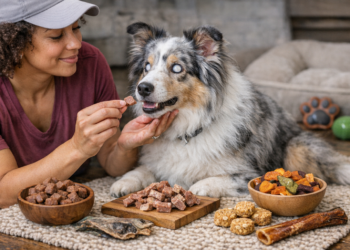
- Use High-Value Treats: Select tasty treats that your dog doesn’t get often. This makes the reward more enticing.
- Keep It Short: Start with brief car trips, even if it’s just around the block. Gradually increase the distance as your dog becomes more comfortable.
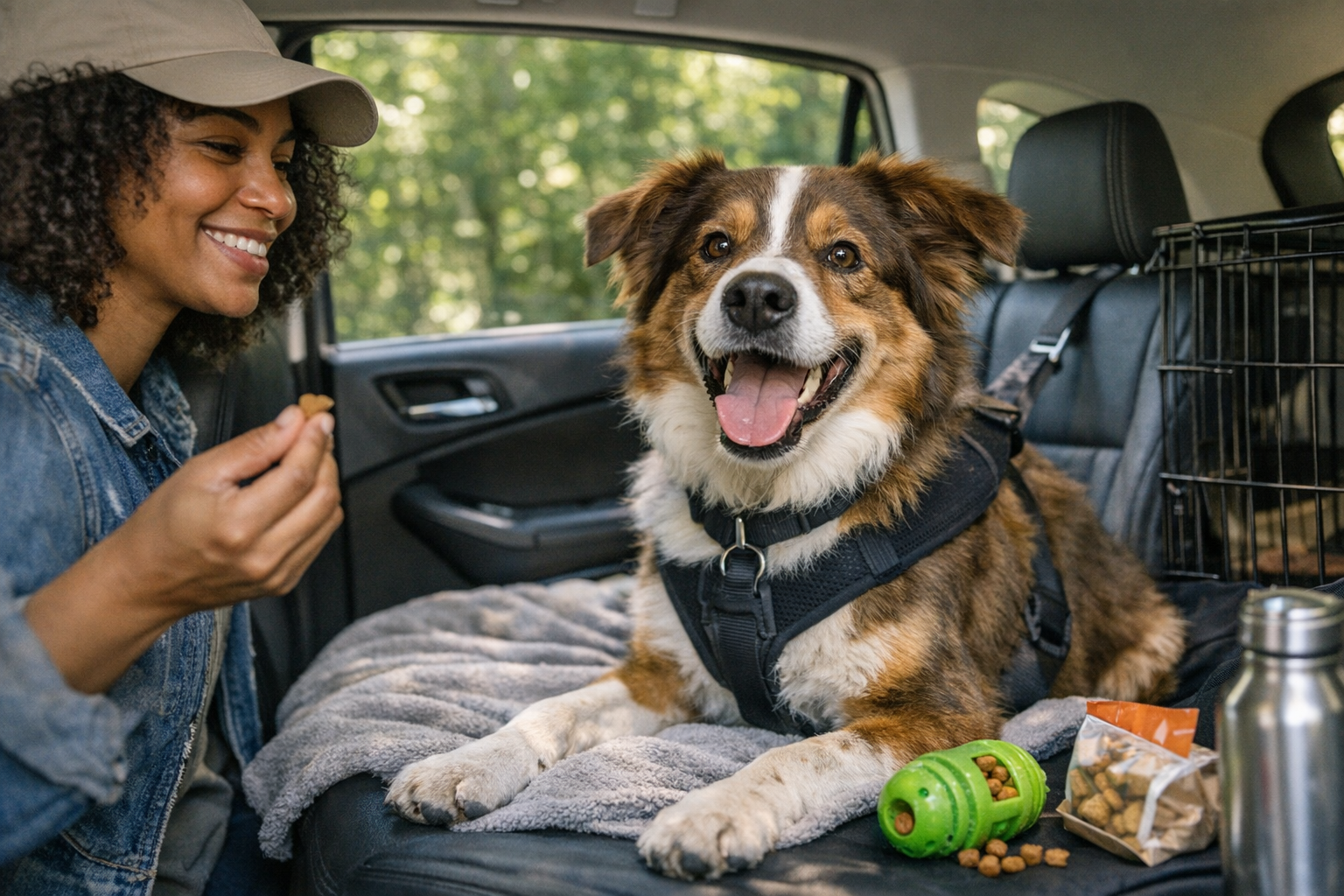
- Practice Positive Reinforcement: Reward your dog for calm behavior in the car. Use praise and treats every time they behave well.
- Ensure Safety: Use a dog seatbelt or crate to keep your pet secure. This reduces distractions and ensures their safety.
Best Products or Treat Types
When training your dog to enjoy car rides, consider using the following types of treats and products:
- Soft Chewy Treats: These can be easier to chew and digest during car rides.
- High-Protein Treats: Options like chicken or beef tend to be more appealing to dogs.
- Toy Treat Dispensers: These keep dogs entertained during the ride and reward them with treats as they play.
- Calming Aids: Consider products like calming chews or sprays that contain natural ingredients to soothe anxiety.
Common Mistakes to Avoid
As you work on getting your dog used to car rides, watch out for these common mistakes:
- Forcing the Dog: Pushing your dog into the car without positive reinforcement can increase their fear.
- Ignoring Signs of Stress: If your dog shows signs of anxiety (panting, whining), take it slow and backtrack to what worked before.
- Long Trips Too Soon: Don’t take your dog on a long journey until they are comfortable with a short ride first.
- Neglecting Safety: Not using a dog seatbelt or crate can lead to accidents and distractions while driving.
FAQs
1. How can I tell if my dog is anxious in the car?
Signs of anxiety in dogs can include excessive panting, whining, drooling, or attempting to escape. You may also notice them trying to hide or turning away from the car.
2. What if my dog gets car sick?
If your dog shows signs of nausea, consult your vet. They may suggest special food, medication, or tips for acclimatization to help reduce car sickness.
3. How often should I take my dog for short car rides?
Start with a few times a week, gradually increasing frequency as your dog becomes more comfortable. Consistency is key!
4. Can training for car rides help with other travel types?
Yes! Positive associations with the car can translate to other travel scenarios, such as plane trips or trains.
5. Are there specific breeds that have a harder time in cars?
Yes, some breeds, particularly those prone to anxiety, may struggle more. For example, herding breeds or rescue dogs can have unique challenges.
Conclusion
Training your dog to enjoy car rides doesn’t have to be a daunting task. By using positive reinforcement, taking gradual steps, and paying attention to your dog’s comfort level, you can create a pleasant car experience for both of you. Remember to be patient and consistent, and soon your furry friend will be excited to hop in the car for your next adventure!