


The Gut-Brain Axis: How Probiotics in Treats Affect Dog Behavior
Understanding the connection between a dog’s gut health and behavior is crucial for pet parents. Research shows that probiotics in dog treats can positively influence mood and anxiety. This article explores the gut-brain axis and how proper nutrition can promote better behavior in dogs.
Why This Topic Matters for Pet Parents
As pet parents, it’s important to recognize how our dogs digest food and how that impacts their overall well-being. Poor gut health can lead to behavioral issues such as anxiety, aggression, or stress. Here’s why this topic matters:
- Promotes better behavior in dogs
- Enhances overall health and well-being
- Improves the bond between pet and owner
Key Insights
Here are some important points about the gut-brain axis and its impact on dog behavior:
- The gut and brain communicate through the gut-brain axis.
- Probiotics are beneficial bacteria that can improve gut health.
- Healthy gut flora can reduce symptoms of anxiety and stress.
- Diet plays a significant role in maintaining a balanced microbiome.
- Research links probiotics to improved mood and behavior in dogs.
Expert Tips
Veterinarians have recommendations for incorporating probiotics into your dog’s diet:
- Choose high-quality treats: Look for treats that list probiotics among the first few ingredients.
- Introduce gradually: Start with small amounts to avoid stomach upset. Gradually increase the dosage.
- Monitor behavior: Keep track of any changes in your dog’s behavior after introducing probiotics.
- Consult your vet: Talk to your veterinarian about the best probiotic options tailored for your dog’s specific needs.
- Maintain a balanced diet: Ensure that your dog has a well-rounded diet rich in nutrients.
Best Products or Treat Types
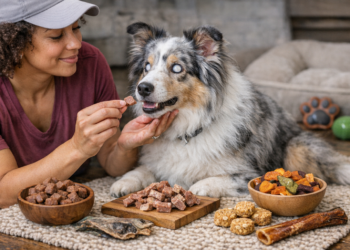
When looking for the best dog treats that contain probiotics, consider these types:
- Chewy Treats: Easily digestible, chewy treats can provide probiotics and be more palatable for picky eaters.
- Dental Chews: These not only help with teeth cleaning but can also include added probiotics for gut health.
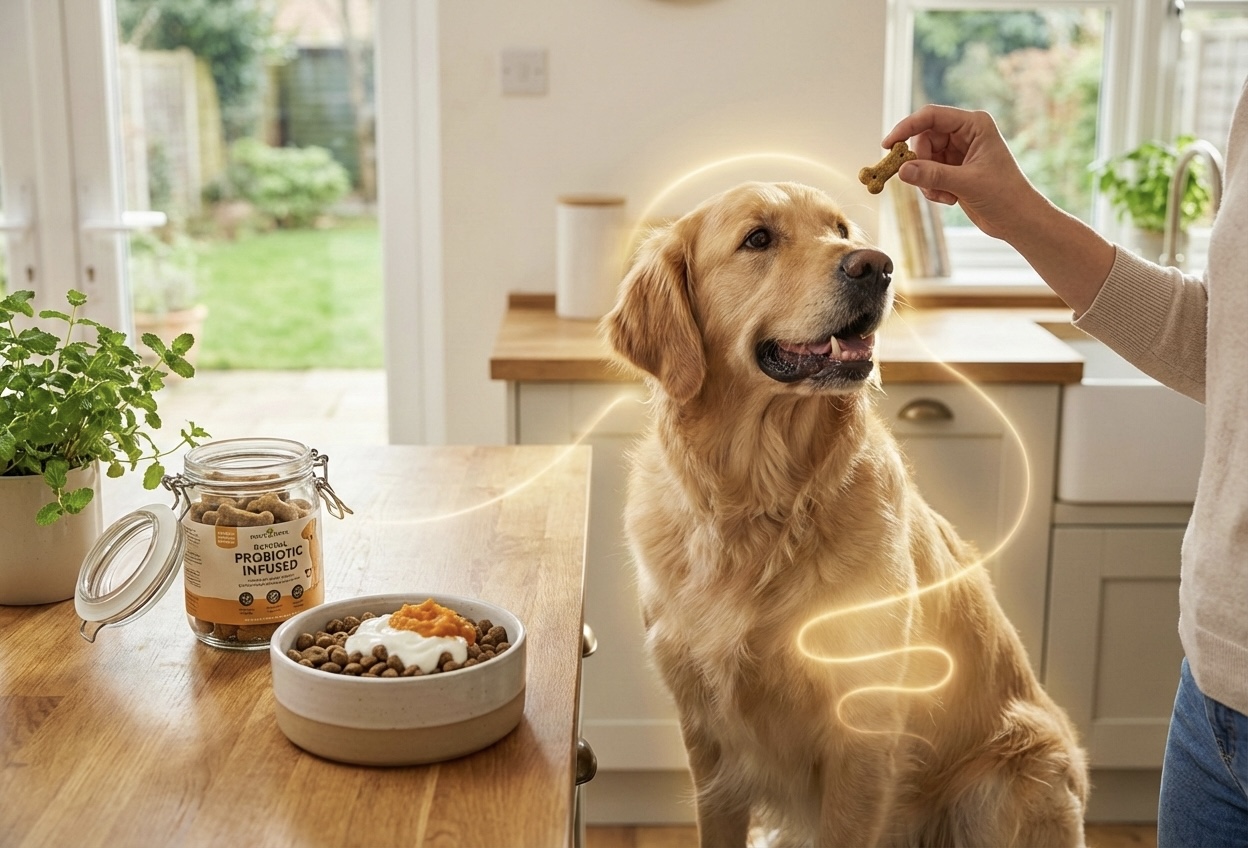
- Yogurt-Based Treats: Treats made with natural yogurt often contain live cultures beneficial for gut health.
- Freeze-Dried Options: Freeze-dried treats can maintain probiotic potency while offering a tasty snack.
- Homemade Recipes: You can make your own dog treats with ingredients like pumpkin and probiotics.
Common Mistakes to Avoid
Many pet parents unknowingly make mistakes when introducing probiotics to their dog’s diet. Here are some to watch for:
- Skipping the vet consultation: Always consult with your veterinarian before starting any new supplements.
- Overloading on treats: Too many treats, even healthy ones, can lead to weight gain or digestive issues.
- Assuming all probiotics are equal: Not all probiotics are effective for dogs; choose those meant specifically for canine health.
- Ignoring dietary balance: Treats should be a supplement to a balanced diet, not a replacement.
- Being inconsistent: Consistency is key! Make sure to give probiotics regularly to see benefits.
FAQs
1. What are probiotics?
Probiotics are live bacteria that help maintain gut health and support the digestive system.
2. How do probiotics influence dog behavior?
Probiotics can help balance gut bacteria, which in turn influences mood and behavior by communicating with the brain over the gut-brain axis.
3. Can all dogs benefit from probiotics?
Most dogs can benefit from probiotics, especially those experiencing digestive issues or stress. However, it’s always best to check with your veterinarian first.
4. How long does it take to see results?
Results can vary, but many pet parents notice improvements in their dog’s behavior within a few weeks of consistent probiotic use.
5. Are there any side effects?
Some dogs may experience mild digestive upset when first starting probiotics. Always introduce them gradually.
6. Is homemade food a good option for probiotics?
Yes, homemade treats can be a healthy option, especially if they include probiotic-rich ingredients like yogurt, but consult your vet for recipes and quantities.
Conclusion
The gut-brain axis plays a critical role in your dog’s behavior and overall health. By incorporating probiotics into your dog’s treats, you can potentially improve their mood and reduce anxiety. Understanding which products are effective and how to introduce them can help you make better choices for your furry friend. Always consult your veterinarian for personalized recommendations to ensure your dog’s health and happiness.