
Advanced Scent Work Training: Pairing Odor with Reward Treats
Advanced scent work training enhances your pet’s natural abilities and offers them mental stimulation. Pairing specific odors with reward treats can help reinforce learning and improve your pet’s performance. This guide provides essential insights and practical tips for effective training.
Why This Topic Matters for Pet Parents
As pet parents, understanding scent work training is essential for your pet’s cognitive development and overall well-being. Engaging your pet in scent training can:
- Enhance their problem-solving skills.
- Boost their confidence.
- Strengthen the bond between you and your pet.
- Provide mental and physical exercise.
Key Insights
- Scent work utilizes a dog’s exceptional sense of smell, which is significantly better than that of humans.
- Positive reinforcement, such as treats, is crucial for effective training.
- Different odors can be introduced gradually for advanced training.
- It can be a fun activity and is suitable for all dog breeds.
- Always start with simple tasks before progressing to more complex challenges.
Expert Tips
Veterinarians advise on effective scent work training strategies:
- Start Slow: Begin with basic scents your dog is familiar with to build confidence.
- Use High-Value Treats: Choose treats that your dog loves to create positive associations with the scent.
- Be Patient: Each dog learns at their own pace. Allow time for them to understand the task.
- Practice Regularly: Consistent practice helps reinforce training and improves skills.
- Gradual Progression: Once your dog masters a specific odor, introduce new scents incrementally.
Best Products or Treat Types
Choosing the right products can significantly enhance your training sessions. Here are some effective treats and tools:
- Soft and Chewy Treats: Great for easy consumption during training.
- Freeze-Dried Treats: Easy to store and carry; they pack a flavor punch.
- Smelly Treats: Treats with strong odors can capture your dog’s attention better.
- Scented Toys: Some toys come infused with enticing scents for additional engagement.
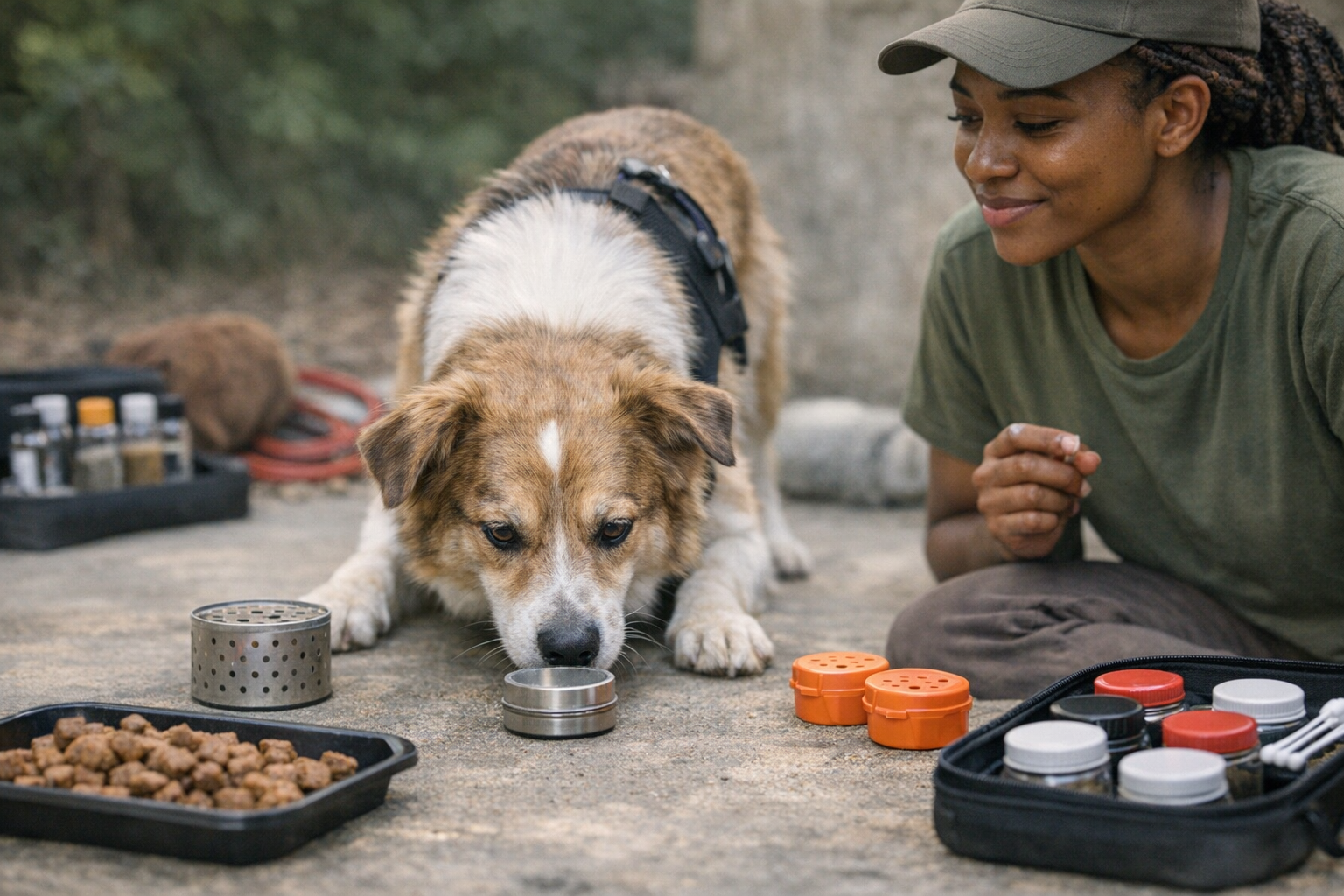
- Scent Kits: Kits that include various scents for training purposes can be invaluable.
Common Mistakes to Avoid
- Rushing the process—learning takes time.
- Using low-value treats that do not motivate your dog.
- Not switching up scents to keep your dog challenged and engaged.
- Failing to celebrate small successes; this can demotivate your pet.
- Overwhelming your dog with too many scents at once.
FAQs
- What is scent work? Scent work is a method of training where dogs learn to identify and locate specific odors.
- How do I choose the right scent for my dog? Start with familiar smells, like their favorite treats or your clothing, and gradually move to more distinct ones.
- Can all breeds participate in scent work? Yes, all dog breeds can engage in scent work. Some may have a natural inclination, but all can learn.
- How long should training sessions last? Keep sessions short—about 10-15 minutes is ideal to maintain focus and energy.
- Do I need special equipment for scent work? While specialized kits can help, you can start with everyday items and treats.
- How often should I practice with my dog? Regular practice, 3-4 times a week, will enhance learning and skills.
Conclusion
Advanced scent work training is a beneficial activity that can enrich your pet’s life. By pairing specific odors with reward treats, you make learning enjoyable and effective. Follow expert tips, avoid common pitfalls, and consistently practice to maximize your dog’s scent work potential. Your furry friend will thank you with wagging tails and playful antics!