
Top Brands for Grain-Free Cat Treats (2026 Vet-Recommended List)
Finding the right cat treats can be a challenge, especially for cats that need a grain-free diet. This article offers a comprehensive guide to the best grain-free cat treats available in 2026, as recommended by veterinarians. We’ll explore why grain-free options are important, highlight key insights, and provide expert tips to keep your furry friend healthy and happy.
Why This Topic Matters for Pet Parents
As more pet owners become conscious of their cat’s dietary needs, grain-free treats have gained popularity. Many cats suffer from allergies or sensitivities to grains, which can lead to serious health issues. By choosing the right grain-free treats, pet parents can help support their cat’s overall well-being.
Key Insights
- Grain allergies in cats can cause digestive upset and skin issues.
- High-quality protein sources are essential for a cat’s diet.
- Grain-free treats often contain alternative ingredients like sweet potatoes or peas.
- Consulting with a vet is crucial before changing your cat’s diet.
- Look for treats with minimal ingredients to reduce the risk of allergies.
Expert Tips
Here are some recommendations from veterinarians on selecting the best grain-free treats for your cat:
- Read labels carefully: Look for treats made from high-quality proteins like chicken, turkey, or fish.
- Avoid artificial additives: Choose products without fillers, preservatives, or artificial flavors.
- Consider your cat’s age: Different life stages have different nutritional needs; choose appropriate treats for kittens, adults, or seniors.
- Introduce new treats gradually: This helps to prevent digestive upset. Start with small amounts.
- Monitor for reactions: Watch for any signs of allergies, like vomiting or itching, when you introduce new treats.
Best Products or Treat Types
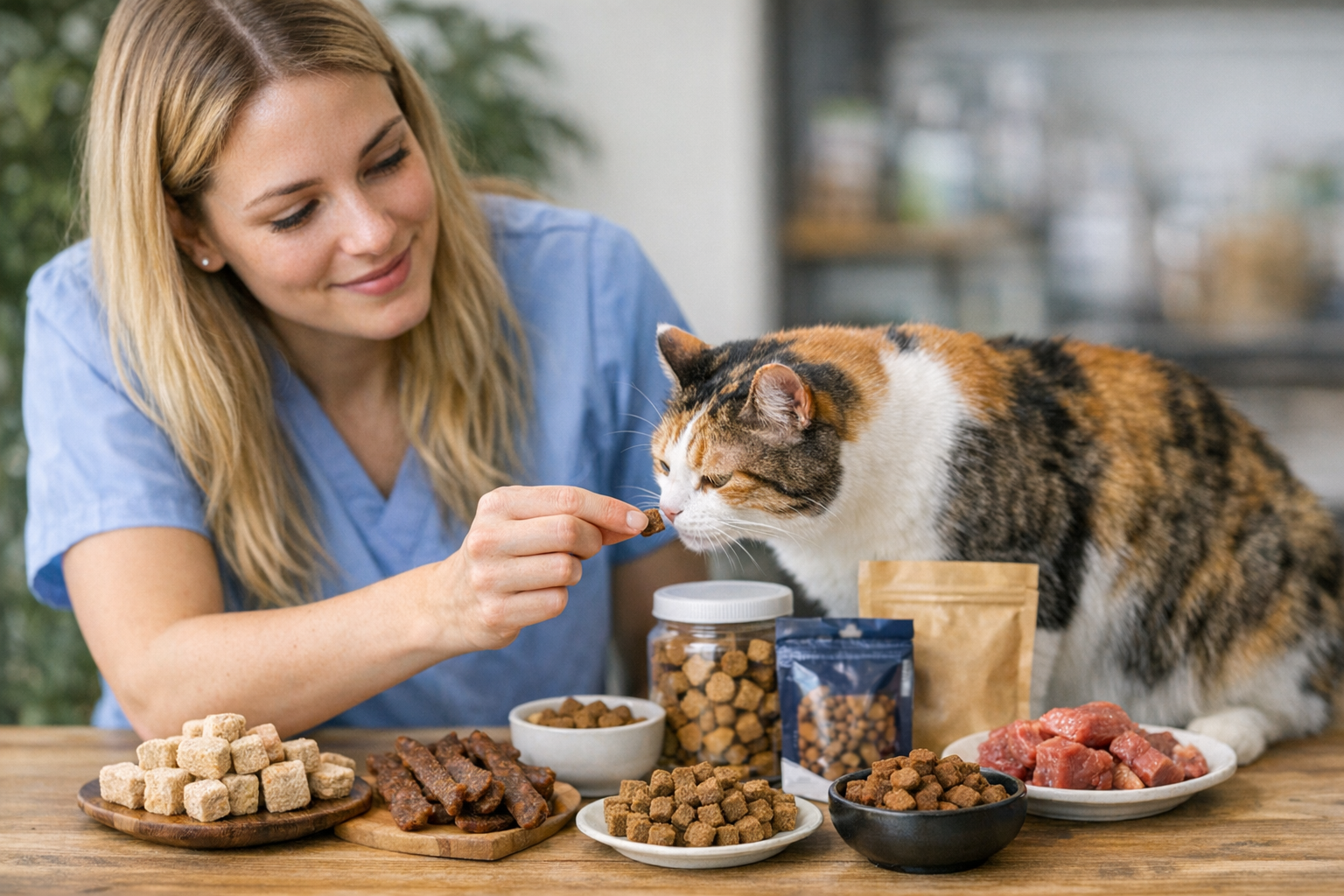
Many excellent grain-free treat types are available, regardless of brand. Here are some popular categories:
- Jerky treats: Made from real meats, these are high in protein and low in carbohydrates.
- Freeze-dried treats: These maintain nutrients and flavor, making them appealing to cats while being grain-free.
- Soft baked treats: Often made with alternative flours, they can be easier for older cats to chew.
- Dental treats: Certain grain-free options can help improve dental health while satisfying snack cravings.
- Raw diet treats: These typically feature high-quality meats and come with additional nutrients.
Common Mistakes to Avoid
Here are some mistakes that pet parents should avoid when choosing grain-free cat treats:
- Not consulting a vet: Always check with your veterinarian before making dietary changes.
- Assuming all grain-free is healthy: Some grain-free treats may still be high in unhealthy fillers or low-quality ingredients.
- Overfeeding treats: Treats should only make up 10% of your cat’s diet; too many can lead to obesity.
- Ignoring your cat’s preferences: Every cat is different; not every grain-free treat will appeal to your pet.
- Relying on one type of treat: Variety is important for nutrition; mix it up to prevent boredom.
FAQs
1. What are the benefits of grain-free cat treats?
Grain-free cat treats can help reduce the risk of allergies and digestive issues in sensitive cats. They often focus on high-quality protein sources that are essential for feline health.
2. How do I know if my cat needs a grain-free diet?
If your cat shows signs of allergies, such as itching, vomiting, or diarrhea after eating grain-based foods, consult your veterinarian. They can perform tests to determine if dietary changes are necessary.
3. Can I give my cat grain-free treats every day?
While grain-free treats can be a healthy addition to your cat’s diet, they should make up no more than 10% of their daily caloric intake to prevent obesity and ensure balanced nutrition.
4. Are all grain-free treats healthy?
No, not all grain-free treats are created equal. Some may still contain unhealthy fillers or artificial ingredients. Make sure to read the labels carefully.
5. What should I look for in the ingredient list?
Look for high-quality protein as the first ingredient, minimal fillers, and avoidance of artificial additives or preservatives.
6. How can I transition my cat to a new treat?
Start by mixing a small amount of the new treat with the treats they currently eat. Gradually increase the new treat over a week to help with digestion and acceptance.
Conclusion
Choosing the right grain-free cat treats can positively impact your cat’s health. With the guidance of veterinarians and careful selection of ingredients, you can provide tasty and nutritious options for your furry friend. Always keep your cat’s specific needs in mind and consult with your vet to find the best treats that suit their diet. Happy treating!