
Best Treats for Cats with Hyperesthesia Syndrome (Calming & Non-Irritating)
Hyperesthesia syndrome can make life difficult for our feline friends. This condition causes cats to feel hyper-excited and can lead to excessive grooming and agitation. Choosing the right treats can help soothe their nerves while avoiding irritation. This article explores the best treat options to support your cat’s health and happiness.
Why This Topic Matters for Pet Parents
Understanding hyperesthesia syndrome is crucial for every cat owner. This condition can be distressing for both cats and their owners. The right treats can provide comfort and relief. Here’s why it matters:
- Helps reduce stress for your cat.
- Encourages calm behavior.
- Supports overall health with quality ingredients.
Key Insights
- Hyperesthesia syndrome, or “twitchy cat syndrome,” can lead to heightened sensitivity.
- Stress can worsen symptoms, making calming products essential.
- Non-irritating treats are key to preventing additional discomfort.
- Quality ingredients can promote better emotional health.
Expert Tips
Veterinarians recommend several strategies when looking for the right treats:
- Look for natural ingredients without fillers or artificial flavors.
- Select treats with calming properties, such as valerian root or chamomile.
- Avoid fish-based treats, as they may cause allergies or irritate sensitive stomachs.
- Right portion sizes are important; treat only a small amount each day to avoid weight gain.
- Consult your vet for specific dietary recommendations for your cat’s overall health.
Best Products or Treat Types
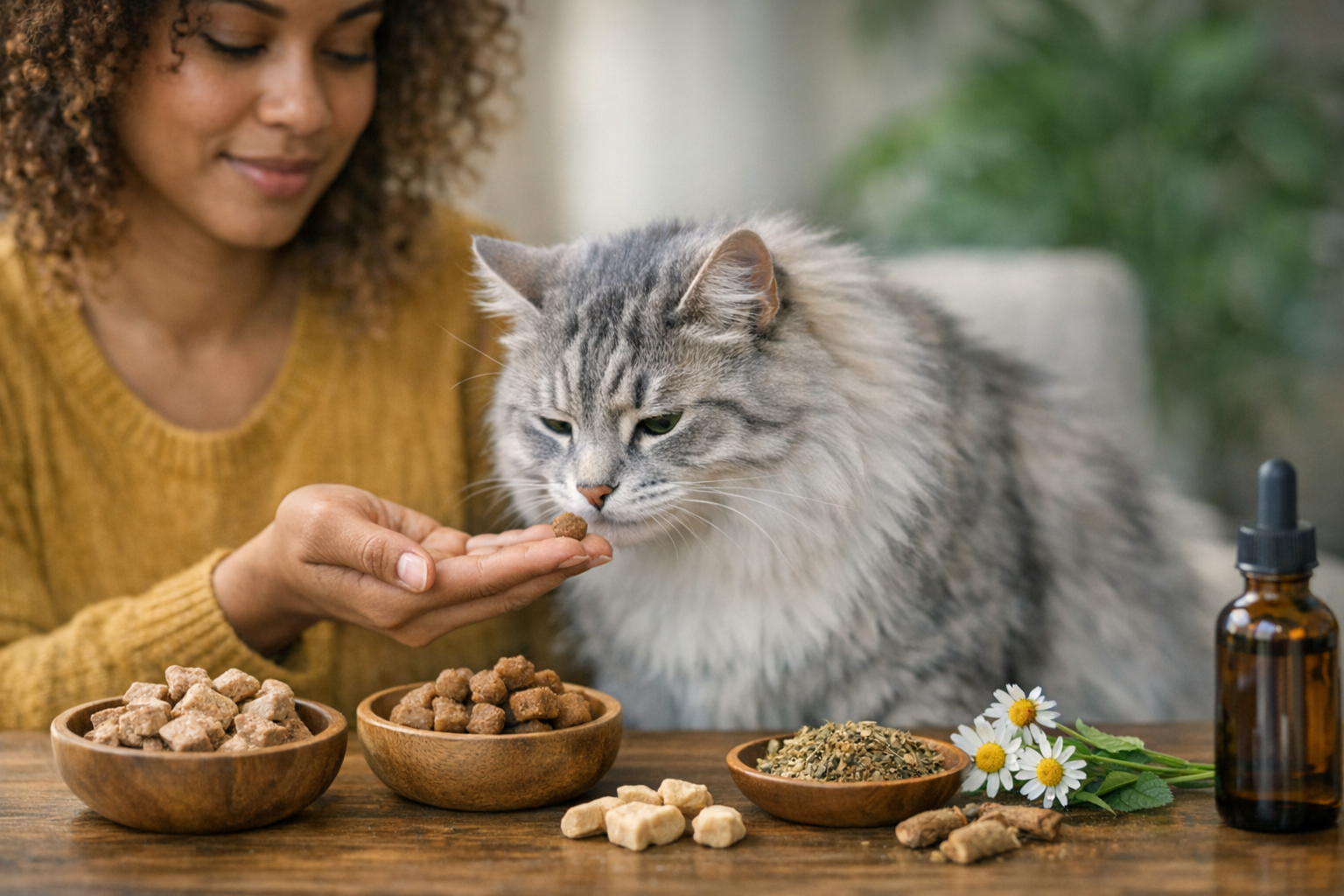
When it comes to finding the best treats for cats with hyperesthesia, consider these types:
- Calming Treats: Look for those that contain ingredients like tryptophan, melatonin, and L-theanine.
- Soft Chews: These are often easier for cats to digest and can be less irritating.
- Freeze-Dried Treats: Made from single-source proteins, these keep the ingredients simple and healthy.
- Herbal Blends: Treats that contain calming herbs, like catnip, can help soothe a hyperactive cat.
Common Mistakes to Avoid
To ensure you are making the best choices for your cat, avoid these pitfalls:
- Choosing treats with artificial additives or preservatives.
- Overfeeding. Too many treats can lead to obesity and other health issues.
- Ignoring ingredient labels. Always check for allergens or irritants.
- Forgetting to consider your cat’s individual health needs and sensitivities.
FAQs
- What is hyperesthesia syndrome in cats?
Hyperesthesia syndrome is a condition that causes a cat to have heightened sensitivity to touch, often resulting in excessive grooming and hyperactive behavior. - How can treats help my cat with hyperesthesia?
The right treats can have calming effects, reduce stress, and support overall emotional well-being, making your cat feel more relaxed. - Are homemade treats a good option for cats with this condition?
Yes! Homemade treats can allow you to control ingredients and avoid potential irritants, ensuring they are calming. - How can I tell if a treat is non-irritating?
Look for treats made from limited ingredients and free from artificial preservatives or fillers. Always check with your vet if unsure. - How many treats should I give my cat each day?
It’s generally best to give treats in moderation—about 10% of your cat’s daily calorie intake—while ensuring they maintain a balanced diet.
Conclusion
Managing hyperesthesia syndrome in cats can be challenging, but choosing the right treats can significantly improve your cat’s quality of life. Focus on calming, non-irritating options to help soothe your kitty’s nerves while also providing health benefits. Always consult your veterinarian for personalized advice and recommendations.