
Behavior Modification vs. Obedience: When to Use Treats for Each
As a pet parent, understanding the differences between behavior modification and obedience training is crucial for your furry friend’s well-being. Treats can play a significant role in both areas, but knowing when to use them can enhance your training efforts. This article will clarify these concepts and guide you in using treats effectively.
Why This Topic Matters for Pet Parents
Learning about behavior modification and obedience helps pet parents create a healthier and happier environment for their pets. Here’s why it’s important:
- Promotes better behavior: Understanding the distinctions helps address negative behaviors effectively.
- Strengthens the bond: Proper training methods can enhance the relationship between you and your pet.
- Improves safety: Obedient pets are often safer, reducing accidents or unwanted behaviors.
Key Insights
- Behavior Modification: This approach focuses on changing specific unwanted behaviors. It often addresses issues like barking, chewing, or aggression.
- Obedience Training: This involves teaching your pet commands like sit, stay, or come. Obedience is about teaching your pet to respond to your commands reliably.
- Treats are effective: Using treats can motivate your pet during both behavior modification and obedience training, but the purpose may differ.
Expert Tips
Veterinarians recommend tailored approaches for using treats in training:
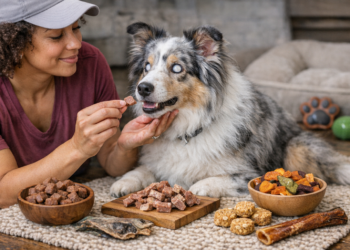
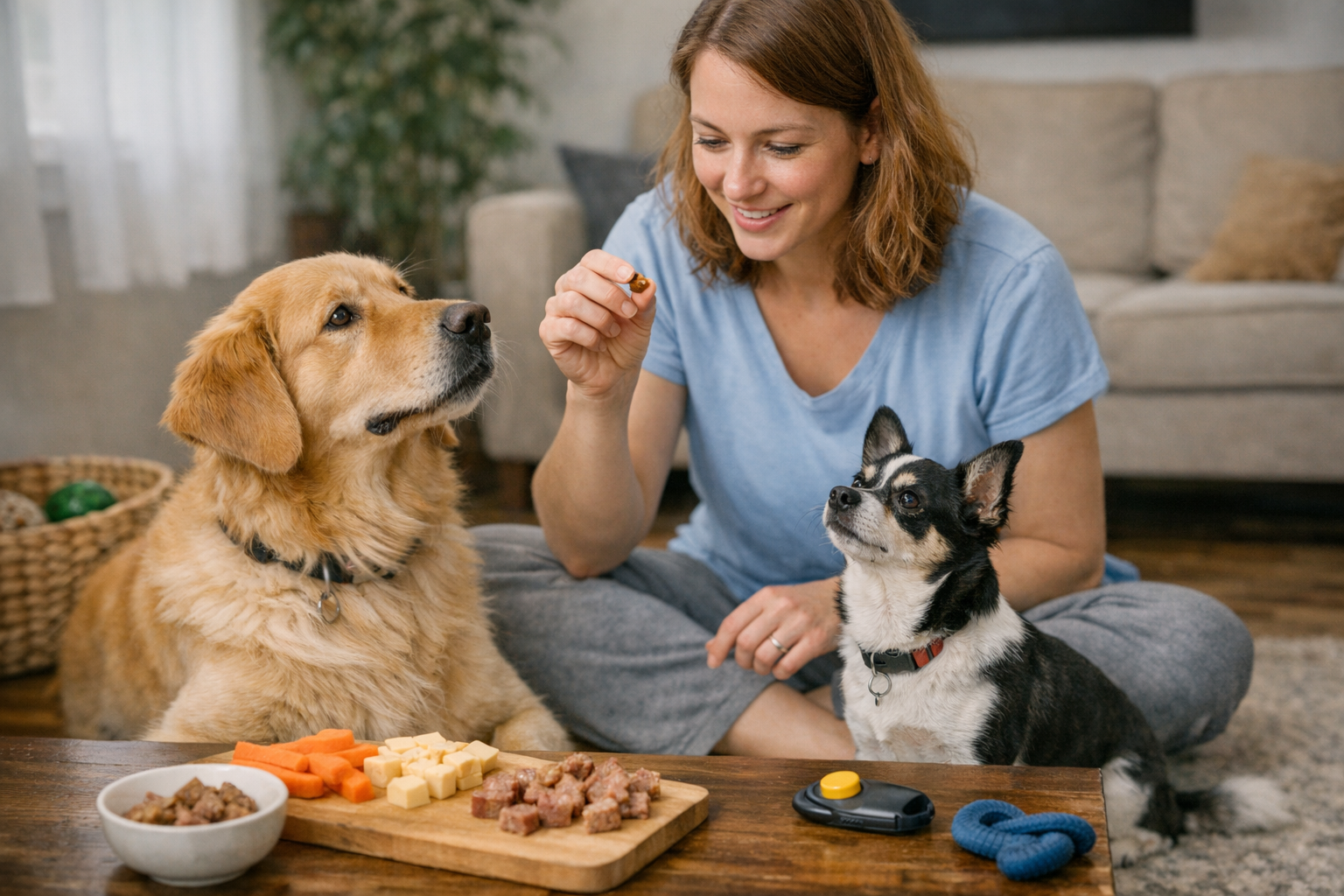
- Choose the right treat: Use small, high-value treats that your pet loves. These can include tiny pieces of meat, cheese, or even commercial training treats.
- Timing is key: Offer the treat immediately after your pet performs the desired behavior. This helps them make the connection between the behavior and the reward.
- Gradual phase-out: Over time, reduce the number of treats given as your pet becomes more reliable in following commands or correcting behaviors.
- Be consistent: Consistency in commands and rewards is crucial. Make sure everyone in the household uses the same words and gestures when asking for behaviors.
Best Products or Treat Types
When it comes to treats for training, consider these options:
- Soft, chewy treats: These are easy to eat quickly and keep your pet engaged during training.
- Breakable treats: Small, breakable biscuits work well for training, allowing you to give just a piece rather than a whole treat.
- Healthy options: Look for treats made with natural ingredients, as well as low-calorie options especially if you have a larger dog.
- Homemade treats: Consider making your own treats using ingredients like peanut butter, pumpkin, and oats. Just ensure no toxic ingredients are used for your pets.
Common Mistakes to Avoid
To make the most of treats in training, be aware of these common pitfalls:
- Inconsistent rewards: Not giving rewards consistently can confuse your pet and hinder their learning.
- Using too many treats: Over-rewarding can lead to obesity. Always monitor your pet’s weight and adjust their meals accordingly.
- Rewarding bad behavior: Avoid giving treats when your pet is not doing what you want, as this can reinforce unwanted behaviors.
- Neglecting other forms of reinforcement: Along with treats, use praise, toys, and playtime as rewards to keep the training engaging.
FAQs
1. What’s the difference between behavior modification and obedience training?
Behavior modification focuses on changing specific unwanted behaviors, while obedience training teaches your pet to respond to commands like sit and stay.
2. How can treats be used in behavior modification?
Treats can reward your pet when they stop an unwanted behavior, helping them associate good behavior with positive reinforcement.
3. How do I choose the best treats for my dog?
Select small, high-value treats that your pet loves and are easy to consume during training sessions.
4. Can I use the same treats for both behavior modification and obedience training?
Yes, the same treats can work for both, but ensure they are appropriate for the specific training goal.
5. When should I stop using treats in training?
Gradually reduce treats as your pet learns the behavior. You can start rewarding intermittently while still providing praise and other forms of reinforcement.
6. What are some healthy treat alternatives?
Healthy alternatives include small pieces of fruits like apple (without seeds) or veggies like carrots, which can be given in moderation.
Conclusion
Understanding when and how to use treats in behavior modification and obedience training can significantly improve your pet’s training journey. By ensuring you provide the right type of treats, using them consistently, and avoiding common mistakes, you can foster a better relationship with your furry friend. Remember, both behavior modification and obedience training play vital roles in developing a well-rounded pet. Happy training!