
The Best Cat Treats for Urinary Tract Health (Low Magnesium Options)
Your cat’s urinary tract health is essential for their overall well-being. Choosing the right treats can help prevent urinary issues. This guide will help you find the best low magnesium treats for your furry friend.
Why This Topic Matters for Pet Parents
Urinary tract issues are common in cats and can lead to serious health problems. Understanding how to choose the right treats can make a big difference. These issues can cause pain and discomfort, impacting your cat’s quality of life.
Key Insights
- High magnesium levels can lead to urinary crystals and stones.
- Low magnesium treats can help maintain urinary health.
- Cats are often picky eaters, so find tasty options they love.
- Stay informed about your cat’s specific health needs and dietary restrictions.
Expert Tips
Here are some tips to keep your cat’s urinary tract healthy:
- Consult Your Veterinarian: Always talk to your vet before changing your cat’s diet.
- Read Labels: Check for magnesium content in treats.
- Maintain Hydration: Encourage your cat to drink water to support urinary health.
- Monitor Weight: Keeping your cat at a healthy weight reduces the risk of urinary problems.
- Variety is Key: Offer different treat types to keep your cat engaged.
Best Products or Treat Types
When searching for the best treats for your cat’s urinary tract health, look for the following types:
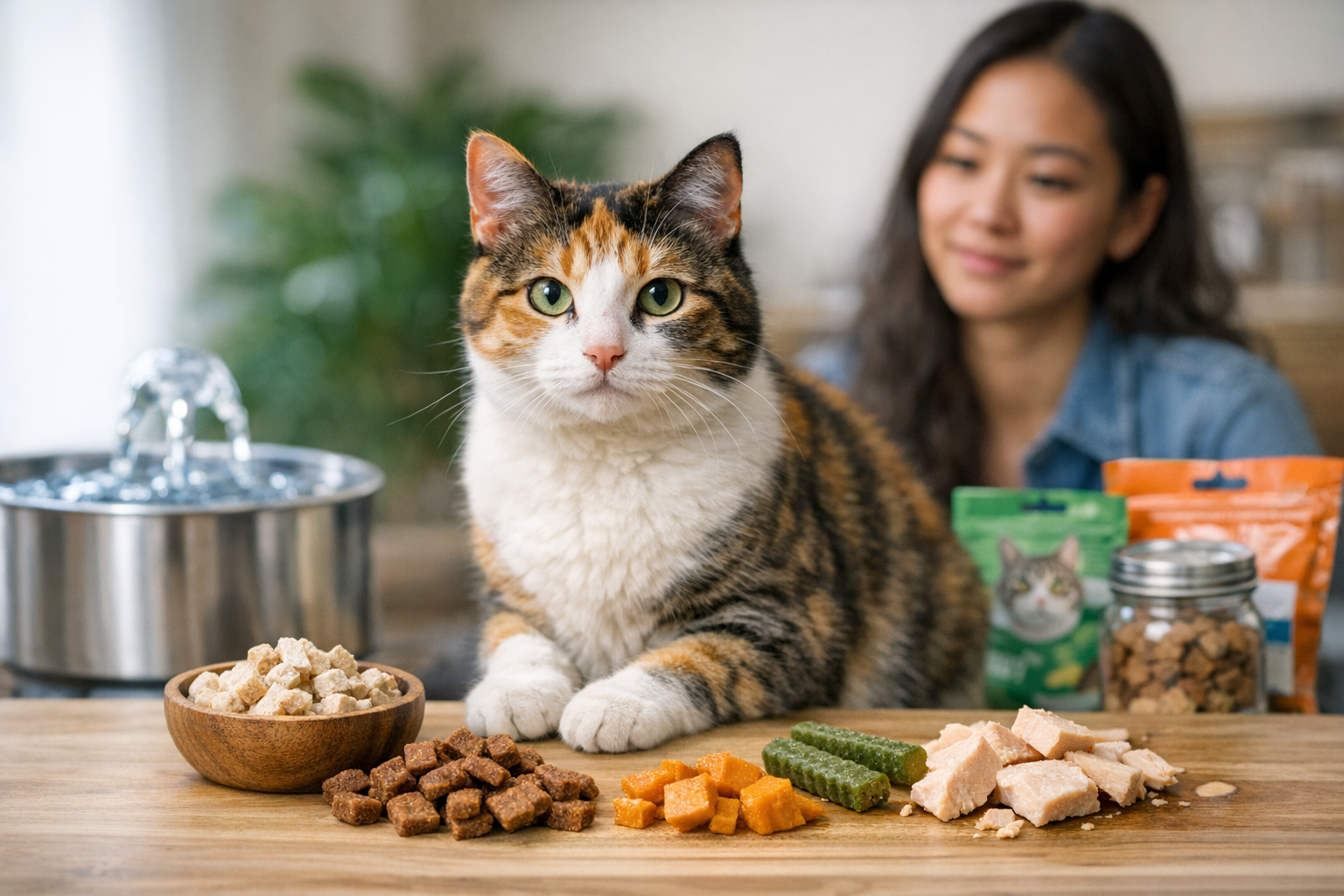
- Freeze-Dried Treats: These retain nutrients and flavors without added magnesium.
- Dental Chews: Some dental treats are specially formulated for urinary health.
- Soft Treats: Look for soft options that contain low magnesium ingredients.
- Homemade Treats: Consider making treats using low magnesium recipes (like chicken or pumpkin).
- Wheat-Free Options: They may be easier on the digestive system and promote better health.
Common Mistakes to Avoid
Here are some common mistakes pet parents make:
- Ignoring Ingredients: Always check for magnesium content and avoid high levels.
- Overfeeding Treats: Treats should only make up a small portion of your cat’s daily intake.
- Skipping Vet Check-ups: Regular vet visits help catch urinary issues early.
- Choosing Treats for Humans: Human food is often high in sodium and magnesium; always choose cat-specific treats.
FAQs
- What symptoms indicate my cat may have urinary issues?
Look for signs like frequent litterbox visits, straining to urinate, blood in urine, or excessive licking of the genital area. - Can I give my cat regular treats?
Avoid treats high in magnesium; opt for those specifically designed for urinary health. - How can hydration help my cat’s urinary health?
Water helps dilute urine, reducing the risk of crystals and stones. - What are the signs of dehydration in cats?
Signs include dry gums, lethargy, lack of appetite, and decreased skin elasticity. - Should I worry about my cat’s weight regarding urinary health?
Yes, being overweight can increase the risk of urinary problems.
Conclusion
Choosing the right cat treats is important for maintaining urinary tract health. Focus on low magnesium options and discuss any dietary changes with your vet. A combination of healthy treats, hydration, and regular vet visits will help keep your cat happy and healthy.