
Getting Your Dog to Pay Attention to You Indoors and Outdoors
Dogs are wonderful companions, but getting them to focus on you can sometimes be a challenge. Whether indoors or outdoors, it’s important for your dog to pay attention to you for safety and training. This article will provide valuable insights into why your dog’s attention is important and share practical tips for achieving it.
Why This Topic Matters for Pet Parents
Attention from your dog is essential for several reasons:
- It ensures safety in various environments.
- It helps establish a strong bond between you and your dog.
- It aids in training and reinforces commands.
- It reduces anxiety and promotes good behavior.
Key Insights
Here are some important points to consider regarding your dog’s attention:
- Dogs have a natural tendency to be distracted by sights and sounds.
- Proper training can significantly improve your dog’s focus.
- Positive reinforcement works better than punishment.
- Establishing a routine can help your dog learn when to pay attention.
Expert Tips
Here are some veterinarian-style recommendations to help you get your dog’s attention:
- Use Clear Commands: Teach your dog simple commands like “look” or “watch me.” Always use a consistent tone.
- Positive Reinforcement: Reward your dog with treats or praise when they focus on you. This encourages good behavior.
- Short Training Sessions: Keep training sessions short—around 5 to 10 minutes—to keep your dog engaged.
- Practice in Different Environments: Start training indoors where there are fewer distractions, then gradually move outdoors.
- Body Language Matters: Use enthusiastic body language to capture their interest. Squatting or clapping can be effective.
Best Products or Treat Types
When looking for the best products to aid your training, consider these options:
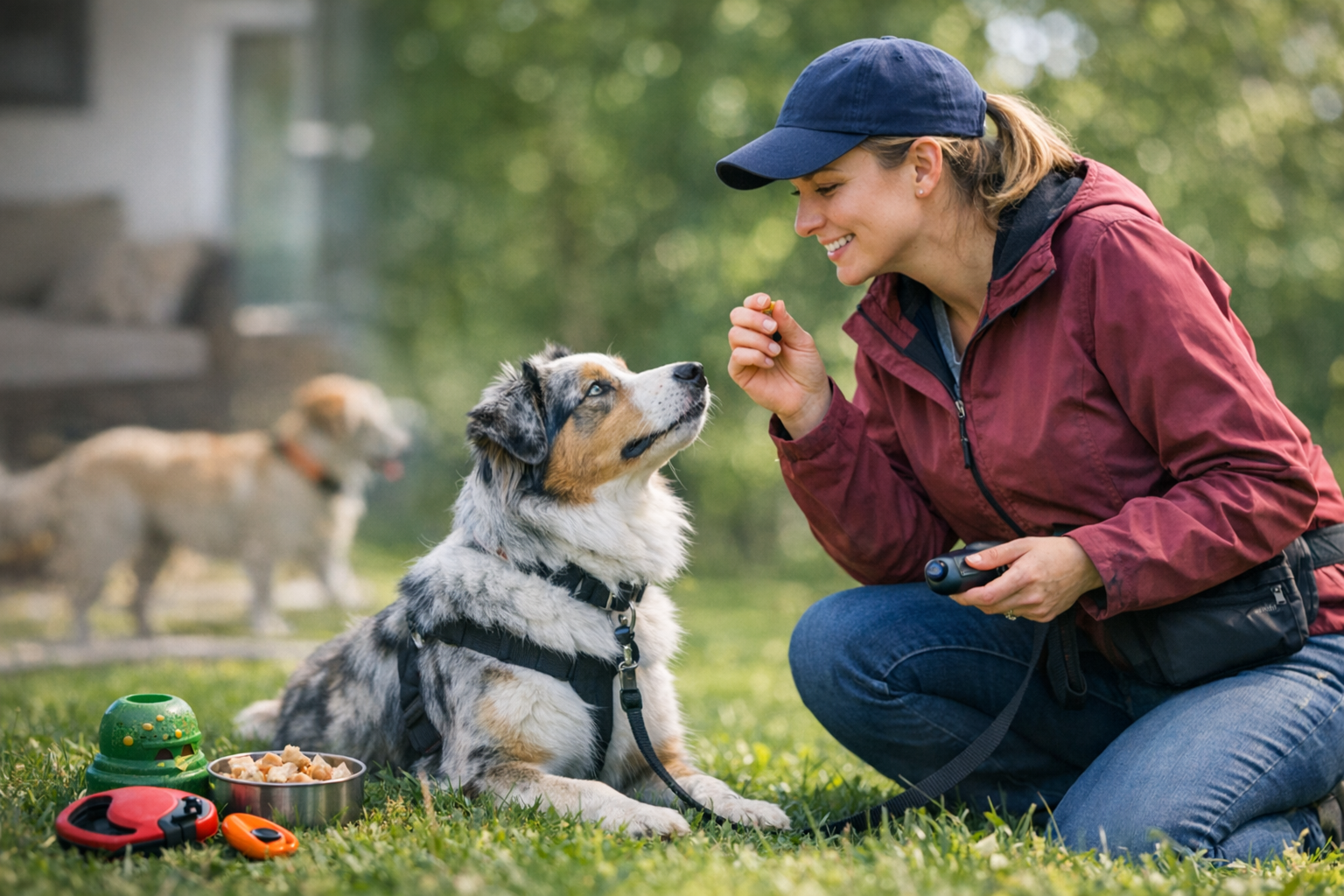
- High-Value Treats: Use small, tasty treats that your dog really loves. This can include bits of chicken, cheese, or special peanut butter.
- Interactive Toys: Toys that dispel treats can keep your dog engaged and make learning fun.
- Clickers: A clicker can help mark the exact moment your dog does something right, making training clearer.
- Leashes with Handles: A good leash helps maintain control during outdoor training sessions.
Common Mistakes to Avoid
Be cautious of these common mistakes when trying to get your dog to pay attention:
- Ignoring Distractions: Don’t expect your dog to focus in high-distraction environments right away.
- Failing to Reward: Forgetting to reward your dog for their attention can diminish their motivation.
- Overusing Commands: Repeating commands too often can lead to confusion. Be clear and patient.
- Expecting Instant Results: Building your dog’s attention skills takes time, so don’t rush the process.
FAQs
1. How long should I train my dog each day?
Short sessions of 5 to 10 minutes, 2-3 times a day, are effective. Frequent practice helps reinforce learning.
2. What should I do if my dog gets distracted?
Return to a quieter environment and gradually reintroduce distractions. Use treats or toys to regain your dog’s focus.
3. Can older dogs learn to pay attention?
Yes! Older dogs can learn new tricks and improve their attention skills, but it might take more time and patience.
4. What if my dog seems uninterested in training?
Try changing up the treats or toys you use. Make training more fun and rewarding to spark their interest.
5. How can I keep my dog focused during walks?
Practice “watch me” commands during walks and reward them when they pay attention. Start in a quiet area before moving to busier ones.
6. Is it okay to train my dog with other dogs around?
Training in a group can be beneficial, but it’s best to start in a low-distraction environment. As they improve, gradually include distractions.
Conclusion
Getting your dog to pay attention, both indoors and outdoors, is crucial for their safety and training success. By using clear commands, rewarding them appropriately, and practicing consistently, you can enhance your dog’s focus. Avoid common mistakes and stay patient throughout the training process. With time and effort, you’ll see improvements in how your dog interacts with you, leading to a stronger bond and a happier pet. Remember, every dog is unique, and understanding their individual needs will help you succeed in your training journey.