

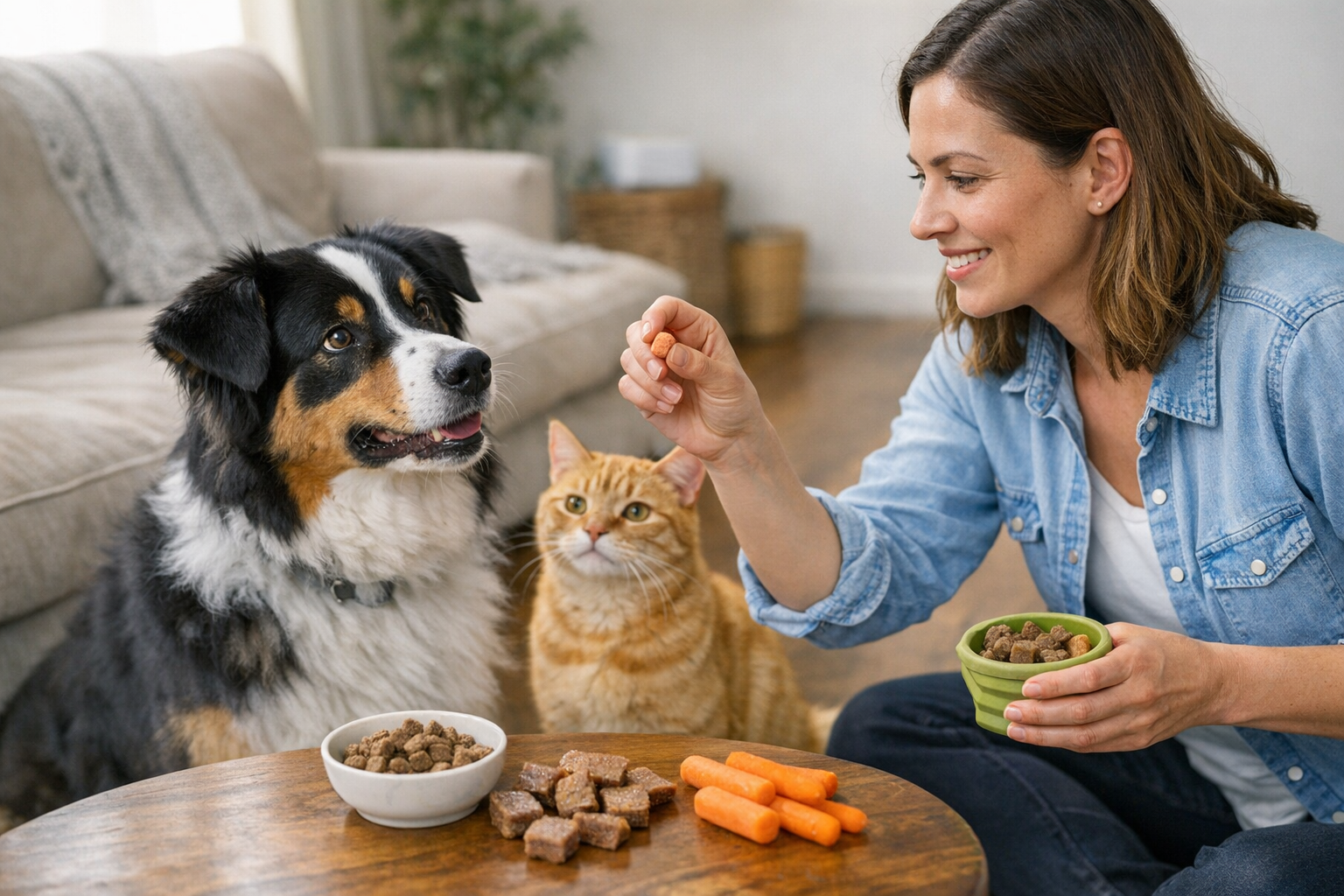
The Power of Positive Interruption: Treat Redirection for Undesirable Behavior
Training pets can be challenging, especially when they display undesirable behaviors. Using treats for redirection is a powerful method that can help you guide your pet toward better choices. This article explores how positive interruption with treats can effectively change your pet’s behavior.
Why This Topic Matters for Pet Parents
Understanding the importance of redirecting undesirable behaviors is essential for every pet parent. Here’s why:
- Creates a positive training experience for you and your pet.
- Strengthens the bond between you and your pet.
- It helps promote desired behaviors while reducing stress.
Key Insights
Here are some key insights about treat redirection:
- Positive reinforcement builds trust and motivates pets.
- Redirecting pets can prevent unwanted behaviors from becoming habits.
- Using treats can enhance overall training effectiveness.
- Timing is essential; rewards should be given immediately after desired behavior.
- All pets respond differently; some may need more motivation than others.
Expert Tips
Veterinarians recommend the following strategies for successful treat redirection:
- Choose the Right Treats: Use small, high-value treats that your pet loves. This ensures they stay engaged.
- Stay Calm and Collected: If you catch your pet in the act of undesirable behavior, approach with a calm demeanor.
- Interrupt and Redirect: Use a verbal cue like “no” or “leave it,” then quickly redirect to a more acceptable behavior by showing the treat.
- Be Consistent: Use the same command and redirection treats each time. Consistency is key to training success.
- Practice Regularly: Frequent short training sessions yield better results than occasional long sessions.
Best Products or Treat Types
When choosing treats for redirection, consider the following types:
- Soft Chewy Treats: These are easy to chew and swallow, making them quick rewards.
- Small Kibble: Regular dog or cat kibble can work in a pinch, especially for daily training.
- Freeze-Dried Treats: These are often very appealing, often mimicking the taste and smell of fresh meat.
- Vegetable Snacks: For some pets, small carrot sticks or sweet potatoes might be an excellent, healthy option.
Common Mistakes to Avoid
Here are some mistakes that pet parents often make when using treat redirection:
- Inconsistent Use: Not using the same commands or treats can confuse your pet.
- Delayed Rewards: Waiting too long to reward can diminish the impact of the correction.
- Overusing Treats: Relying solely on treats can lead to pets becoming overly dependent on rewards.
- Not Addressing Underlying Issues: Make sure to address any behavioral issues with proper training or consulting a vet.
FAQs
1. Is treat redirection effective for all pets?
While many pets respond well, it may take different amounts of time for each pet to grasp the concept. Tailoring your approach to individual pets is critical.
2. How long should I train my pet using treat redirection?
Short training sessions, around 5-10 minutes, are recommended. Frequent sessions are more effective than less frequent, longer sessions.
3. What if my pet doesn’t respond to treats?
Some pets may need alternative rewards, like praise or playtime. Experiment with different motivators to find what works for your pet.
4. Can I use this method for different kinds of undesirable behavior?
Yes! Treat redirection can be applied to a variety of unwanted behaviors, such as barking, chewing, or jumping on guests.
5. Should I phase out treats eventually?
Yes, once your pet learns the behavior, slowly reduce treat frequency and replace it with verbal praise or toys to maintain the behavior.
Conclusion
Treat redirection through positive interruption is an effective way to manage and improve your pet’s behavior. By using the right techniques, staying consistent, and choosing suitable treats, you can help your furry friend learn desirable behaviors while strengthening your bond. Remember to be patient, as every pet learns differently, yet the reward of a well-behaved pet is invaluable!