
How to Know if a Treat is Truly ‘Non-GMO’ or ‘Organic’ (Checking Certifications)
As a pet parent, choosing the right treats is essential for your furry friend’s health. Understanding labels like ‘non-GMO’ and ‘organic’ can be confusing. This guide will help you decode these terms and ensure you’re selecting the best options for your pet.
Why This Topic Matters for Pet Parents
Pet food and treats can significantly affect your pet’s overall health. Here’s why knowing about certifications matters:
- Health Benefits: Organic and non-GMO treats can lead to better nutrition.
- Quality Assurance: Certifications ensure the product meets specific standards.
- Ingredient Transparency: Understanding labels helps you know what your pet is eating.
Key Insights
When it comes to understanding non-GMO and organic labels, here are some key points to remember:
- Non-GMO: Stands for “non-genetically modified organisms.” These foods are made from crops that have not been changed in a lab.
- Organic: Refers to foods grown without synthetic fertilizers, pesticides, or genetically modified ingredients.
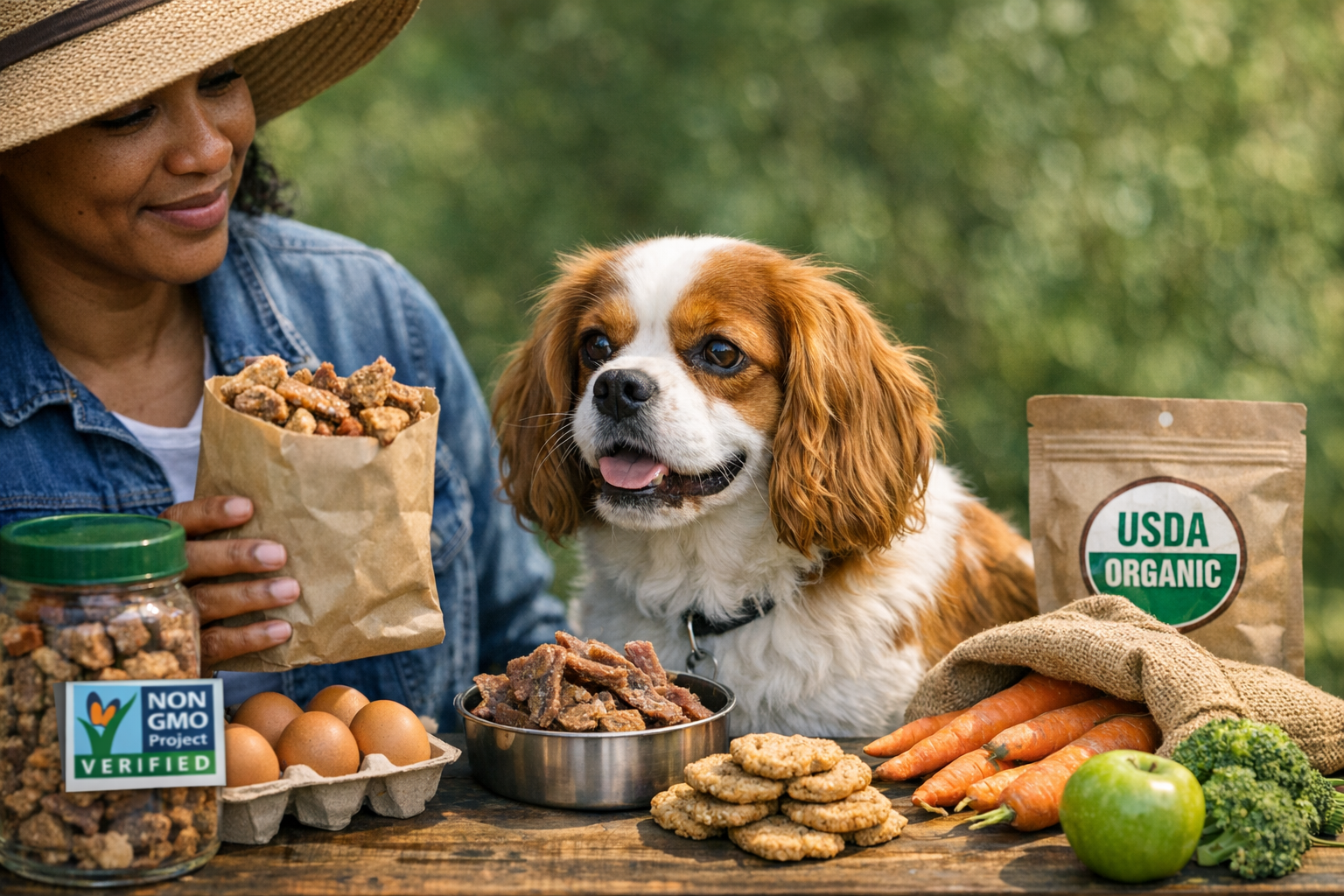
- Certifications: Look for trusted certifications like USDA Organic or Non-GMO Project Verified.
- Ingredient Sources: Ingredients in organic products are typically sourced from dedicated organic farms.
Expert Tips
Here are some veterinarian-style recommendations to help you choose the best treats:
- Check Certifications: Always look for labels that show the product has been certified by a reputable organization.
- Read the Ingredients: The fewer the ingredients, the better. Look for whole foods that you recognize.
- Research the Brand: Brands with transparency about their sourcing and production methods are often more reliable.
- Avoid Artificial Additives: Choose treats that do not contain artificial flavors, colors, or preservatives.
- Consult Your Vet: Always talk to your vet about the best options for your pet’s specific dietary needs.
Best Products or Treat Types
When looking for organic or non-GMO treats, consider these types:
- Freeze-Dried Treats: These often retain more nutrients and flavors without additives.
- Homemade Treats: You can control all ingredients by making your own from organic ingredients.
- Single-ingredient Treats: Look for options like freeze-dried meats or vegetables that are pure and simple.
- Organic Biscuits: Opt for biscuits that use whole grains and natural flavorings without artificial ingredients.
Common Mistakes to Avoid
Here are some common missteps pet parents make when selecting treats:
- Ignoring Labels: Failing to carefully read labels can lead to unhealthy choices.
- Assuming All Natural is Organic: “Natural” does not mean “organic.” Always check for certification.
- Falling for Marketing Buzzwords: Terms like “grain-free” or “holistic” can be misleading. Look for reputable certifications instead.
- Choosing Flavor Over Quality: Don’t prioritize appeal over health benefits. Select treats with quality ingredients.
FAQs
1. What does ‘non-GMO’ mean in pet treats?
‘Non-GMO’ means the ingredients in the treats are not made from genetically modified organisms. This can lead to more natural options for pets.
2. Are all organic treats safe for my pet?
While most organic treats are safe, it’s essential to read the ingredients and check for any allergens specific to your pet.
3. How can I find certified organic pet treats?
Look for products that carry the USDA Organic seal or other recognized certifications on their packaging.
4. Why are artificial additives harmful?
Artificial additives can cause allergic reactions or other health issues in pets. Choosing natural ingredients is healthier for your furry friend.
5. Can homemade treats be organic?
Yes! By using organic ingredients, you can make safe and healthy treats for your pet in your own kitchen.
Conclusion
Choosing non-GMO and organic treats for your pet can significantly benefit their health and well-being. By understanding the labels, checking certifications, and making informed choices, you can ensure your furry friend gets the best quality treats. Always prioritize your pet’s health by reading labels closely and consulting with your veterinarian when in doubt.