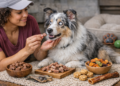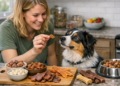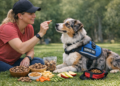

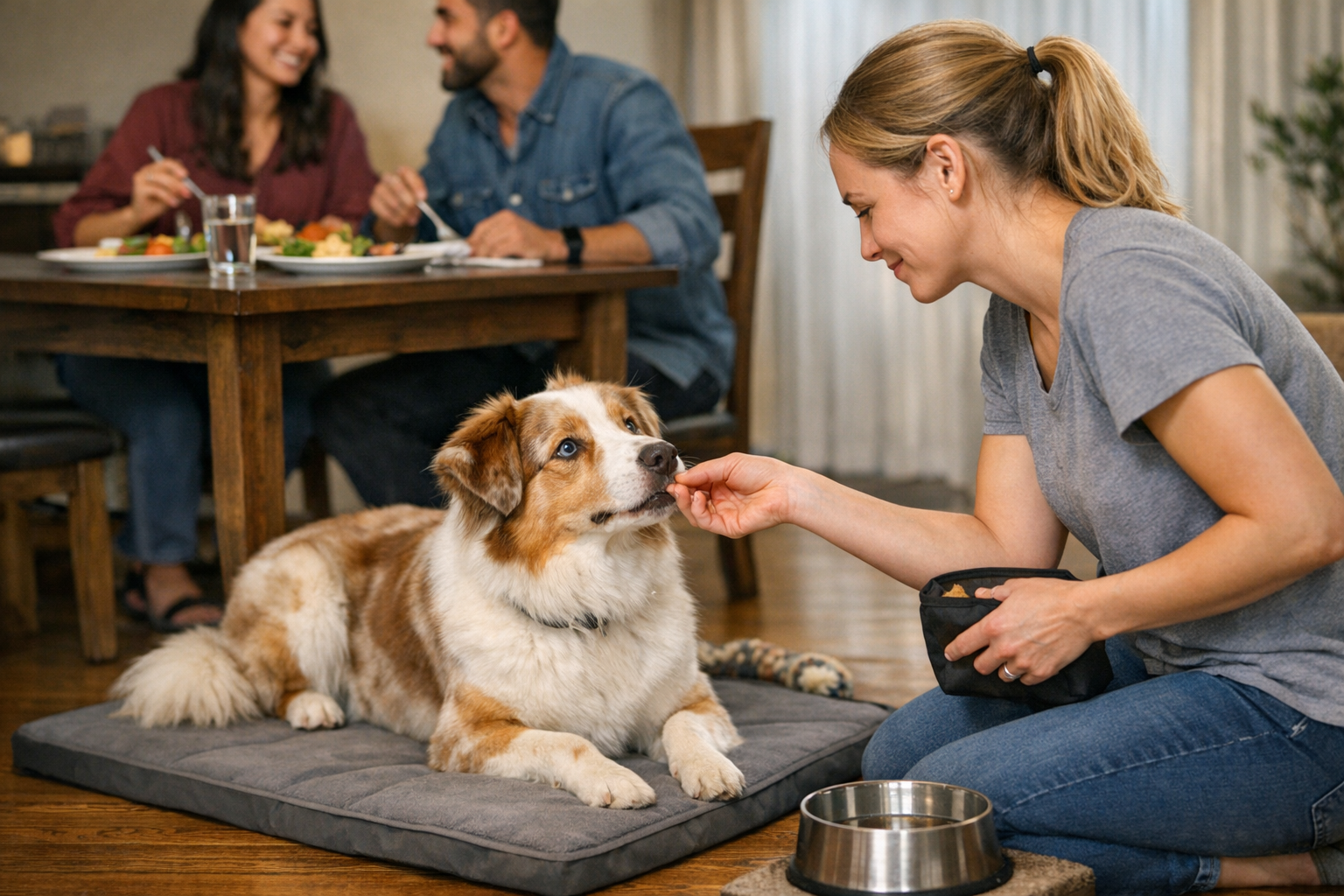
Using Treats to Stop Begging at the Dinner Table (The Place Command)
Teaching your dog to stop begging at the dinner table can be a challenge. One effective method is using treats to reinforce the “place” command. This guide will help you understand why this is important, share expert tips, discuss the best types of treats, and highlight common mistakes to avoid.
Why This Topic Matters for Pet Parents
Begging can be a frustrating behavior for pet parents. Not only can it interfere with family meals, but it can also create unhealthy eating habits for both you and your dog. Training your dog to stay in a designated spot while you eat can lead to:
- Peace at the dinner table
- A more relaxed household
- Better manners for your dog
- Improved safety around food
Key Insights
Using treats to teach the “place” command is effective for several reasons:
- Treats create a positive association with staying in place.
- Consistency is key; use the command regularly.
- Patience is required; training may take time.
- Reinforce good behavior with praise, not just treats.
Expert Tips
Here are some veterinarian-style recommendations to help you effectively teach the “place” command:
- Choose the Right Spot: Select a specific area for your dog to go to, like a mat or a bed. Make sure it’s comfortable and away from distractions.
- Start Small: Begin training when it’s quiet and you are not eating. Gradually increase the difficulty by practicing when you are at the table.
- Use High-Value Treats: Select treats that your dog really loves. This makes it more likely they will want to stay in their place.
- Be Consistent: Always use the same word for the command and the same spot. Dogs thrive on routine.
- Stay Calm and Positive: If your dog gets up from their spot, calmly return them without punishment. Simply repeat the command along with a treat reward.
Best Products or Treat Types
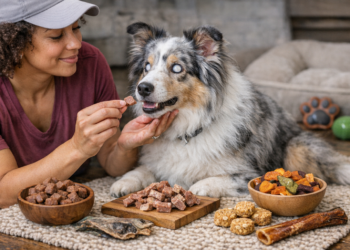
Choosing the right treats can make a big difference in your training efforts. Consider the following types:
- Soft, Chewy Treats: These are easy to eat quickly, allowing for faster rewards.
- Small Kibble: If your dog enjoys their regular food, using their kibble can be encouraging.
- High-Protein Treats: Chicken or turkey-based treats often have high appeal for dogs.
- Homemade Treats: Consider making simple treats at home using healthy ingredients your dog loves.
Common Mistakes to Avoid
To ensure effective training, be mindful of these common mistakes:
- Inconsistent Commands: Using different words can confuse your dog. Stick to one command.
- Punishing Your Dog: Avoid scolding; it can create fear and reduce willingness to follow commands.
- Reinforcing Bad Behavior: Don’t give in to begging, even once, as it reinforces the behavior.
- Too Much Distraction: Start training in a quiet environment; distractions will make it harder for your dog to focus.
- Neglecting to Reward: If you don’t reward your dog for staying in place, they may not understand what you want.
FAQs
1. How long does it take to teach the “place” command?
Training time varies by dog. Some may learn in days, while others could take weeks. Consistency is key!
2. Can I use other commands with the “place” command?
Yes! You can combine commands. Just be sure to train one command at a time to avoid confusion.
3. What should I do if my dog won’t stay in their place?
Go back to basics. Gradually train them to stay for shorter periods before extending the duration.
4. Is it okay to let my dog have food scraps during training?
It’s better to avoid giving food scraps while training, as it can confuse them regarding what behaviors you want.
5. What if my dog gets bored of treats?
Try rotating different types of treats to keep your dog interested, or consider playing games to reinforce the command.
Conclusion
Using treats to teach the “place” command is an effective way to stop your dog from begging at the dinner table. With patience, consistency, and the right approach, you can create a peaceful dining experience for you and your pet. Remember to celebrate every small win along the way, and enjoy the time spent training your furry friend!