
Can You Over-Treat Your Pet? A Vet’s Guide to Daily Limits
Your pet loves treats. They wag their tail or purr with joy whenever a tasty morsel comes their way. But can giving too many treats be harmful? Understanding how much is too much is essential for your pet’s health. This guide, written by a veterinarian, will help you find the right balance.
Why This Topic Matters for Pet Parents
As pet owners, we all want to show our love through food. However, over-treating can lead to health issues such as obesity, digestive problems, and behavioral issues. Knowing the limits helps you care for your furry friend effectively.
Key Insights
- Pet treats should not make up more than 10% of your pet’s daily calories.
- Obesity can shorten a pet’s lifespan and lead to serious health problems.
- Different types of pets have different treat needs (dogs vs. cats).
- Reading labels helps ensure treats are healthy and appropriate for your pet.
- Using treats for training and bonding is beneficial but should be balanced.
Expert Tips
As a veterinarian, I recommend following these guidelines for treating your pet:
- Know Your Pet’s Ideal Weight: Consult your vet to determine the right weight for your pet and adjust treat intake accordingly.
- Read Labels: Check the nutrition information on treat packages to ensure they fit within your pet’s dietary needs.
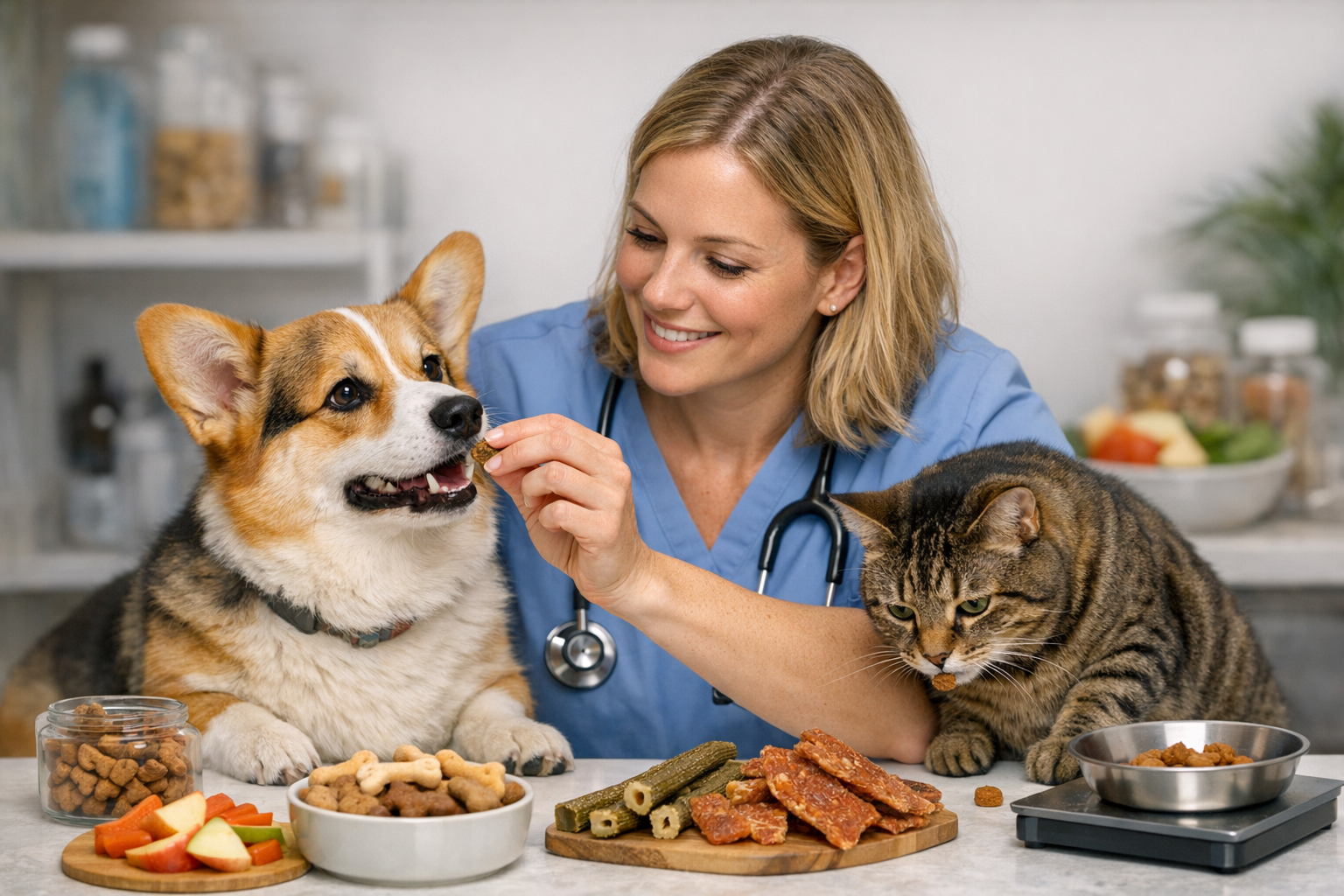
- Measure Treats: Use a scale or measuring cup to control how many treats your pet gets each day.
- Choose Healthy Options: Opt for low-calorie or natural treats whenever possible.
- Engage with Activity: Use treats as rewards for exercise or mental stimulation to encourage a healthy lifestyle.
Best Products or Treat Types
When choosing treats for your pet, consider these types that generally promote health:
- Natural Treats: Look for treats made from real meat or fish without artificial preservatives.
- Low-Calorie Treats: Ideal for pets needing to watch their weight.
- Dental Chews: These can promote oral health while serving as a treat.
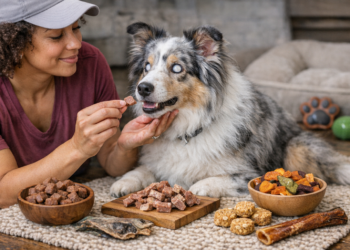
- Fruits and Vegetables: Many pets enjoy small pieces of dog-safe fruits (like apples) or veggies (like carrots).
- Homemade Treats: Consider making treats at home using healthy ingredients without additives.
Common Mistakes to Avoid
Here are some pitfalls pet owners should avoid:
- Ignoring Caloric Intake: Treats that exceed 10% of daily calories can lead to weight gain.
- Using Treats as a Meal Replacement: Treats should not substitute main meals or balanced nutrition.
- Free-Feeding Treats: Leaving treats out throughout the day can lead to overeating.
- Assuming All Treats Are Safe: Not every food is safe for pets; some human foods can be toxic.
- Not Varying Treats: Just like us, pets can get bored on the same treats. Variety keeps them interested.
FAQs
1. How many treats can I give my dog or cat daily?
As a rule of thumb, treats should make up no more than 10% of your pet’s daily caloric intake. Consult with your vet for specific guidelines based on your pet’s health needs.
2. Are homemade treats better than store-bought?
Homemade treats can be healthier if you use quality ingredients. However, make sure they are balanced and suitable for your pet’s dietary restrictions.
3. My pet is overweight. How can I safely give treats?
If your pet is overweight, opt for low-calorie treats and limit their quantity. Also, focus on using them for training or positive reinforcement.
4. Can I use human food as treats for my pet?
Some human foods are safe for pets, like small pieces of cooked chicken or certain fruits. Always check which foods are safe and avoid harmful items like chocolate and grapes.
5. How can I tell if my pet is overweight?
You should be able to feel your pet’s ribs without excessive fat covering and see a definite waistline when looking from above. Consult your vet for a full evaluation and advice.
6. What types of treats are best for training?
Small, soft treats that are low-calorie and easy to chew are great for training because they can be given frequently without overloading calories.
Conclusion
Over-treating your pet can lead to serious health challenges, but with the right information, you can show love while keeping your pet healthy. By being mindful of treat types, portion sizes, and overall diet, you can ensure that your furry friend gets the best care possible. Always consult with your vet if you are unsure about how many treats are appropriate. Remember, a happy pet is a healthy pet!