
The Best Training Treats for Stubborn Dogs: High-Reward Options
Training a dog can be a challenging task, especially when your furry friend is stubborn. The right training treats can make a significant difference in your dog’s learning process. In this article, we will explore the best high-reward options for stubborn dogs, ensuring your pet stays motivated and engaged.
Why This Topic Matters for Pet Parents
Training your dog effectively is crucial for a harmonious relationship. Using high-value treats not only encourages your dog to learn but also strengthens your bond. A stubborn dog may resist training, leading to frustration for both the owner and the pet. Choosing the right treats can help overcome these challenges.
Key Insights
- High-reward treats can enhance your dog’s focus during training sessions.
- Different dogs respond to different types of treats; what works for one may not work for another.
- Using small, soft treats can keep your dog’s attention without overwhelming them.
- Incorporating special occasions for treats can make training more exciting.
Expert Tips
Here are some veterinarian-style recommendations to choose the best training treats for your stubborn dog:
- Size Matters: Choose small treats (about the size of a pea) so your dog can quickly eat them and stay focused on training.
- Soft and Chewy: Soft treats are easier for dogs to chew, making them more appealing and convenient during training.
- Real Meat Ingredients: Look for treats made with real meat, as these are more enticing for dogs compared to less nutritious options.
- Low-Calorie Options: Select low-calorie treats to prevent weight gain, especially if training sessions are frequent.
- Variety is Key: Use a mix of treats to keep things exciting; dogs can become bored with the same treats over time.
Best Products or Treat Types
When searching for the best training treats for your stubborn dog, consider these types:
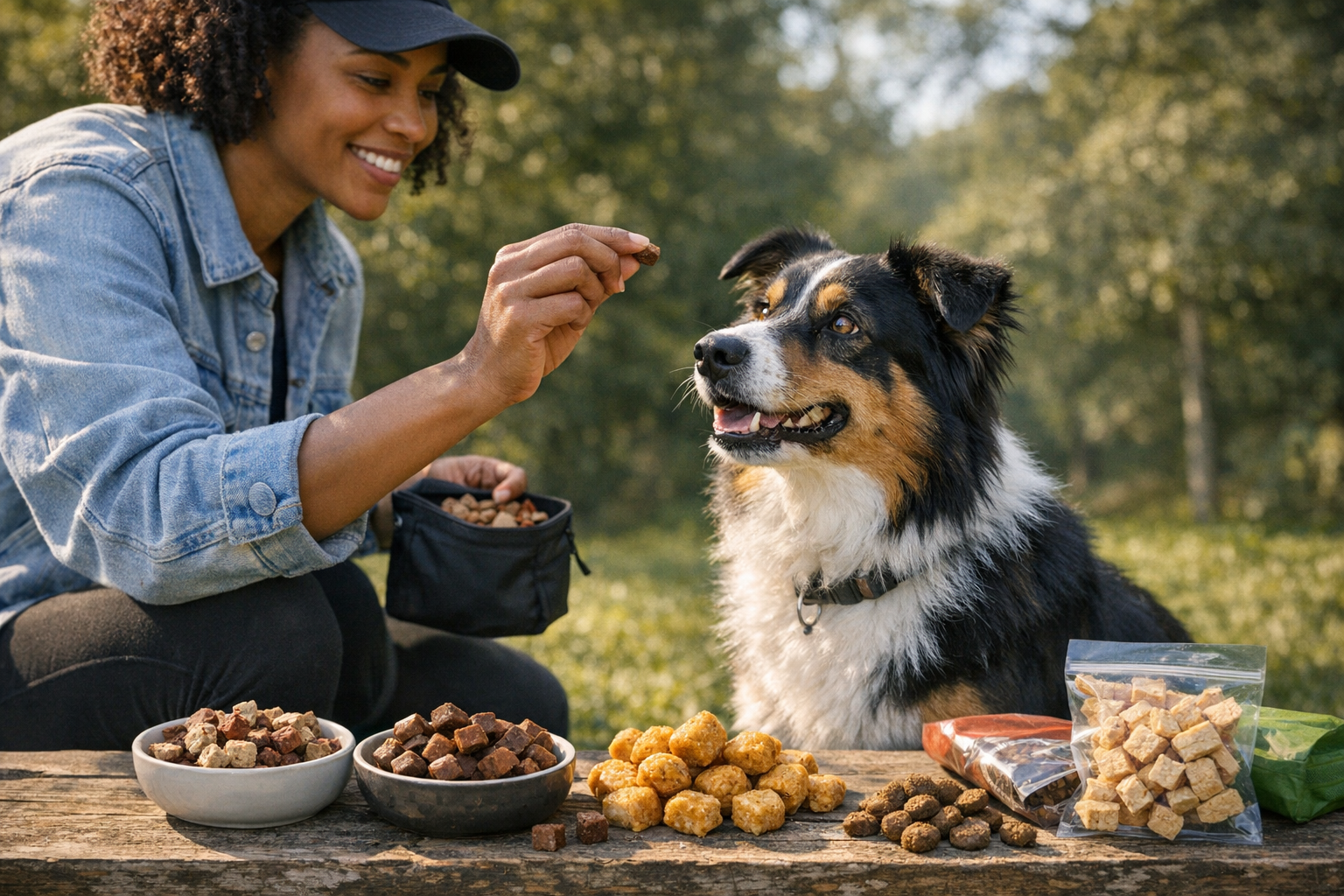
- Freeze-Dried Meat Treats: These treats are high in protein and are super tasty for most dogs.
- Soft Training Treats: Small, chewy treats designed specifically for training are generally very effective.
- Pouch Treats: These are small, easy to carry, and often come with a strong scent that attracts dogs.
- Homemade Treats: You can easily create enticing treats using ingredients like chicken or peanut butter.
- Commercial Low-Calorie Treats: These are formulated to be low in calories but still high in palatability, keeping your dog motivated.
Common Mistakes to Avoid
When selecting and using training treats, avoid these common pitfalls:
- Using Regular Dog Food as Treats: While some dogs may respond, most dogs do not find regular kibble rewarding enough during training.
- Overusing Treats: Make sure to balance treat rewards with verbal praise to prevent over-dependence on food.
- Giving Too Large Treats: Large treats can distract dogs from training; always choose smaller options.
- Neglecting Variety: Sticking to just one type of treat can make training monotonous; mix it up to keep your dog engaged.
- Ignoring Food Sensitivities: Be mindful of any food allergies your dog may have when selecting treats.
FAQs
1. What makes a treat high-value?
High-value treats are typically more enticing for dogs because they are tasty, aromatic, and exciting. Treats made with real meat or unique flavors tend to be more appealing.
2. How often should I reward my dog during training?
It’s best to reward your dog frequently during training sessions. Initially, use rewards to reinforce every good behavior and gradually reduce the frequency as they learn.
3. Can I use their regular food as training treats?
It’s possible, but regular kibble may not motivate stubborn dogs as well as high-reward treats. Reserve their food for feeding times to keep training rewarding and exciting.
4. Are homemade treats effective?
Yes, homemade treats can be very effective. You can customize flavors and ensure they contain healthy ingredients that your dog loves.
5. How do I know if my dog is responsive to a treat?
Observe your dog’s enthusiasm. If they seem excited, wag their tails, and focus on you when you bring out a treat, it’s a good sign that they find it rewarding.
6. Should I become concerned about my dog’s weight with training treats?
Yes, monitor their overall calorie intake. Use low-calorie treats or adjust meal portions as needed to prevent weight gain while training.
Conclusion
Finding the right training treats for stubborn dogs can change your training dynamic significantly. High-value treats that are small, soft, and flavorful can motivate dogs and enhance their learning. By paying attention to your dog’s preferences and carefully choosing treats, you can create a positive and effective training environment. Remember, patience and positive reinforcement go hand in hand in establishing a strong bond with your furry friend!