
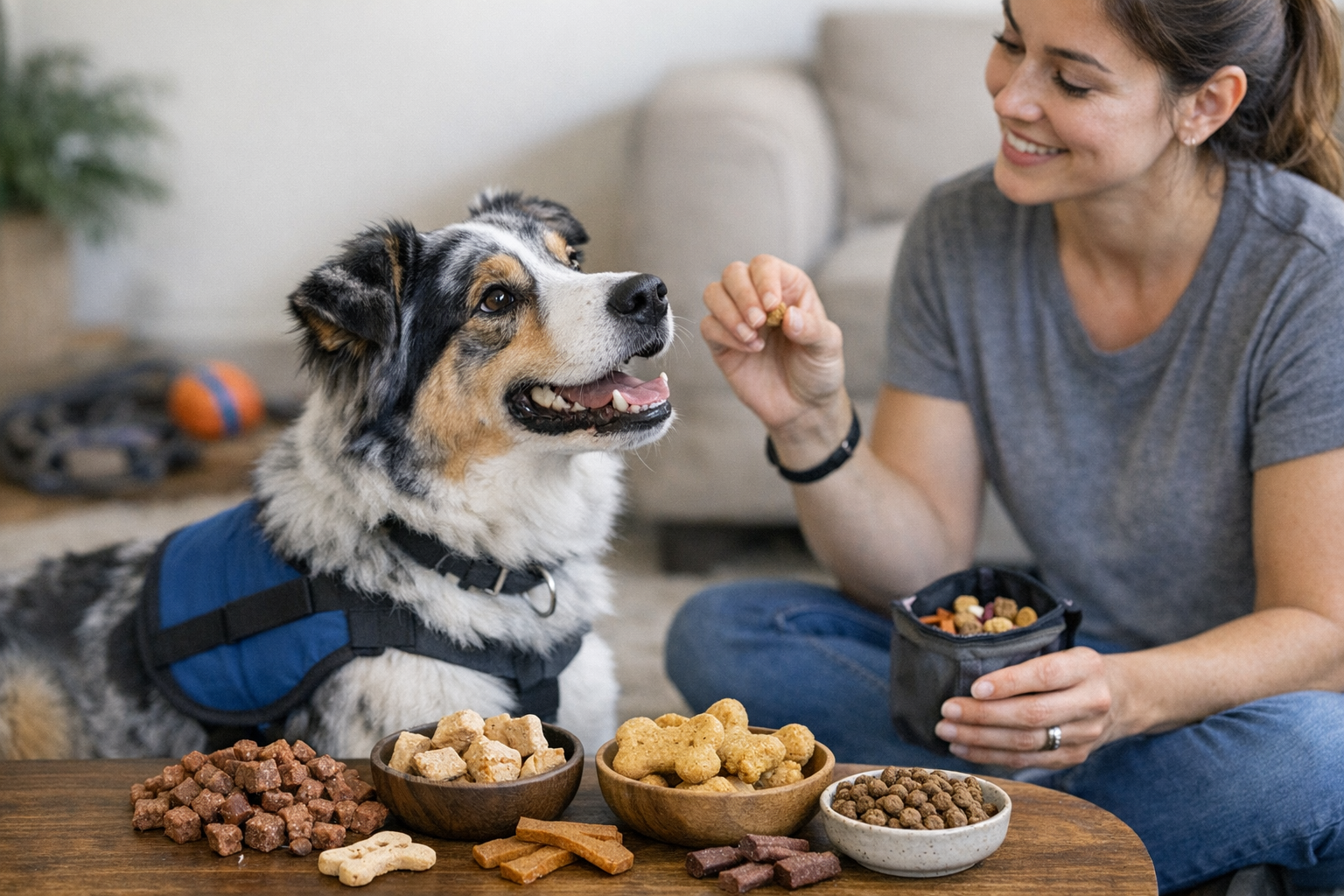
Best Treats for Training Assistance Dogs (Specific Criteria for Success)
Training assistance dogs requires patience, skill, and the right tools. One of the most important tools is the right treats to motivate and reward your dog. This article will guide you through the best treats for training assistance dogs, focusing on key criteria to ensure success.
Why This Topic Matters for Pet Parents
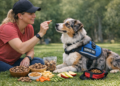
Choosing the right treats for training assistance dogs is crucial. These dogs play a vital role in their handlers’ lives, providing support and companionship. Selecting effective training treats can enhance learning and behavior consistency. Here’s why this topic matters:
- Motivation: Treats encourage dogs to learn new commands and behaviors.
- Health: The right treats support your dog’s overall well-being.
- Bonding: Training sessions with treats strengthen the bond between you and your dog.
Key Insights
Understanding what makes a treat effective for training is essential. Here are some key insights:
- Size Matters: Treats should be small, so your dog can eat them quickly and continue training.
- Flavor is Key: High-value treats will keep your dog interested and eager to learn.
- Health Considerations: Avoid treats that are high in calories, sugar, or artificial ingredients.
- Texture: Soft treats are often easier for dogs to chew and swallow during training.
- Low Allergens: Choose treats that minimize allergy risks for your dog.
Expert Tips
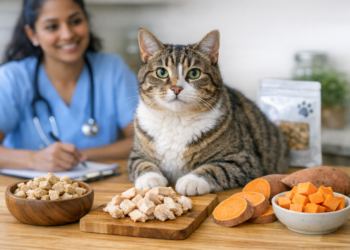
Veterinarians recommend these tips when selecting treats for training:
- Go Natural: Select treats made with natural ingredients whenever possible.
- Monitor Weight: Keep an eye on your dog’s weight to avoid overfeeding during training.
- Limit Variety: Stick to a few types of treats to prevent your dog from getting picky.
- Training Frequency: Use treats consistently during training sessions for better results.
- Introduce Gradually: If trying a new treat, introduce it slowly to avoid digestive issues.
Best Products or Treat Types
Here are some types of treats that work well for training assistance dogs:
- Soft Chewy Treats: These are easy to eat quickly and keep dogs engaged.
- Freeze-Dried Meat: Packed with protein and flavor, these treats are irresistible to many dogs.
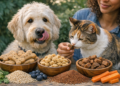
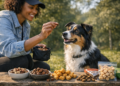
- Homemade Treats: Making your own allows you to control ingredients and flavors.
- Low-Calorie Treats: These help maintain your dog’s weight while still providing rewards.
- Flavor-Enhanced Kibble: Using high-quality kibble with good flavor can work in a pinch.
Common Mistakes to Avoid
Here are some common mistakes to steer clear of:
- Overusing Treats: Too many treats can lead to weight gain and health issues.
- Using Big Treats: Large treats take too long to chew and can disrupt training flow.
- Ignoring Ingredients: Always check for allergens or unhealthy additives.
- Not Rewarding Consistently: Inconsistent use of treats can confuse your dog.
- Choosing Low-Quality Treats: Cheap treats may not provide the motivation needed for effective training.
FAQs
- What size should training treats be? Ideal treats are small, around the size of a pea. This allows for quick rewards without breaking focus.
- How often can I give my dog training treats? Offer treats during training sessions while being mindful of your dog’s daily calorie intake.
- Can I use my dog’s regular food as training treats? Yes! If your dog is motivated by their regular food, you can use it, especially if it’s high-quality kibble.
- What should I avoid when selecting training treats? Avoid treats that are high in sugar, artificial ingredients, and large in size.
- How do I know if my dog likes a treat? If your dog shows enthusiasm, wags their tail, and quickly eats the treat, they likely enjoy it!
Conclusion
Choosing the right treats for training assistance dogs is essential for their learning and well-being. Focus on small, tasty, and healthy options to keep your dog motivated and happy. Follow the tips provided and avoid common mistakes to enhance your training sessions. With the right treats, you can support your dog’s training journey and strengthen your bond along the way.