


Dog treats feel like a simple purchase—grab a bag, your dog gets happy, and everyone wins. But in 2025, the pet-food market is bigger, more confusing, and more marketing-driven than ever. Walk into any pet store and you’ll see hundreds of treat options: grain-free, freeze-dried, limited-ingredient, single-protein, organic, human-grade, raw, air-dried, dental, probiotic, training treats, jerky treats… the list goes on.
The problem?
Many treats look healthy but are actually loaded with calories, fillers, flavor enhancers, or preservatives that do nothing for your dog’s health. And some ingredients—like propylene glycol, artificial dyes, and low-grade meat meals—are things most veterinarians recommend avoiding entirely.
This guide breaks down exactly what veterinarians want you to know about choosing healthy dog treats in 2025. Whether you’ve got a puppy, senior, working dog, couch potato, or allergy-prone pup, this article lays out the science, the practical buying rules, and the specific ingredients to look for (and avoid).
Let’s get into it.

Why Treat Quality Matters More in 2025 Than Ever
Most dog owners give treats daily. In fact, surveys show that over 70% of U.S. dog owners give treats 2–5 times a day, sometimes more if they’re training, managing behavior, or using treats for enrichment toys.
Daily treats = something you should take seriously.
The biggest health risks connected to low-quality treats include:
1. Weight gain
Obesity is now the #1 preventable disease in dogs. Many treats are shockingly high in calories—some jerky strips have 80–120 calories each, meaning two treats equal a full meal for a small dog.
2. Poor digestive health
Sugar, wheat gluten, artificial flavors, and cheap fillers cause gas, loose stool, inflammation, and food intolerance in many dogs.
3. Allergic reactions
Chicken, beef, wheat, soy, and dairy are the most common canine allergens. Low-quality treat brands sneak these into almost everything.
4. Joint stress & inflammation
Some processed treats worsen inflammation, especially in older dogs or breeds prone to arthritis (Labs, Shepherds, Goldens).
5. Dental problems
Soft treats, sticky treats, and treats high in carbs can contribute to plaque buildup.
Your dog’s daily treat habit either supports or harms their health—that’s why vets now recommend choosing treats with the same care as choosing dog food.
What Vets Say Healthy Treats MUST Contain
According to the AVMA and veterinary nutritionists, healthy treats in 2025 share a few key traits:
✓ 1. Short ingredient lists
5–10 ingredients is ideal.
The more ingredients, the more processed the product usually is.
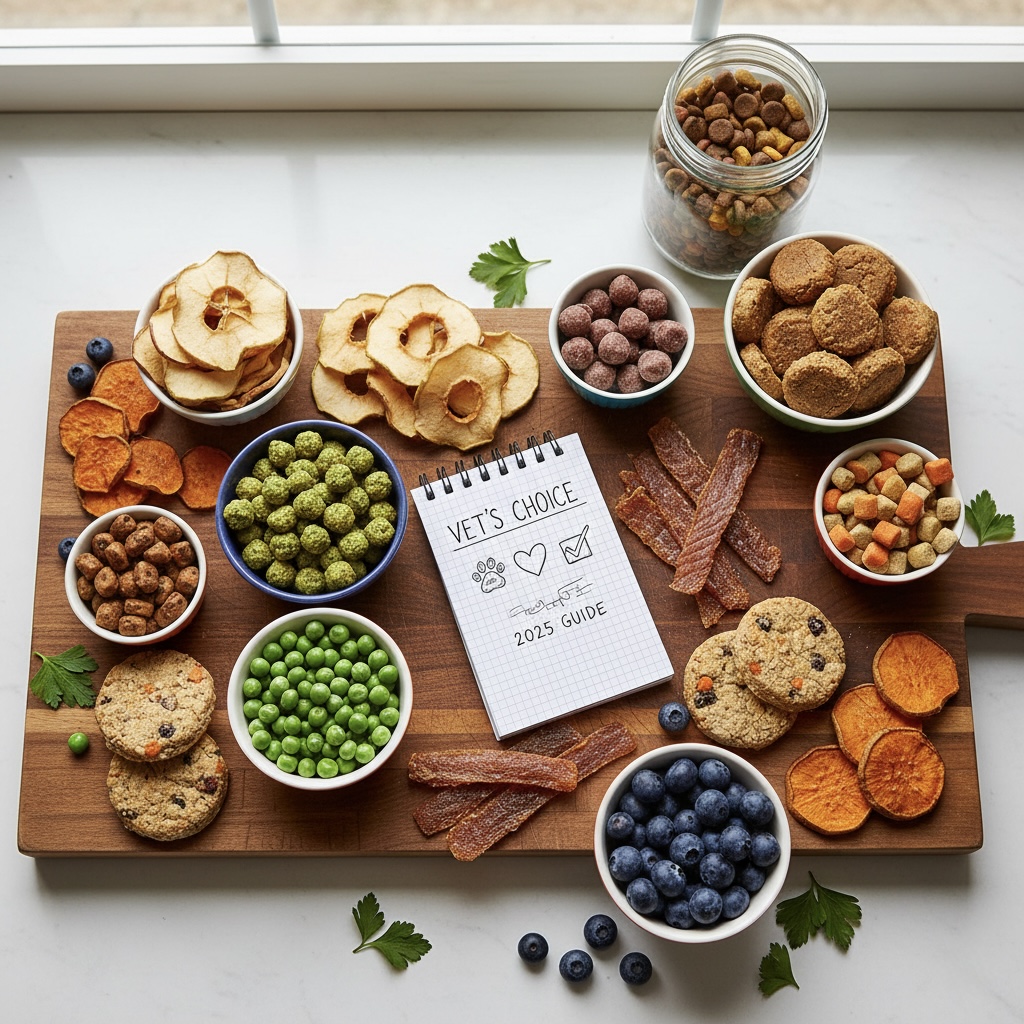
Look for real, whole ingredients you can identify:
- Salmon
- Turkey breast
- Sweet potato
- Pumpkin
- Blueberries
- Beef liver
Avoid unrecognizable vague ingredients like:
- “Animal fat”
- “Meat by-product”
- “Natural flavor”
- “Poultry digest”
✓ 2. High-quality protein
The first ingredient should be a specific protein:
- “Chicken breast”
- “Beef liver”
- “Wild-caught salmon”
- “Turkey”
- “Lamb”
Avoid vague proteins:
- “Meat meal”
- “Animal meal”
- “Poultry meal”
These are low-quality, highly processed, and often cause digestive issues.
✓ 3. Low calories per treat
Vets recommend:
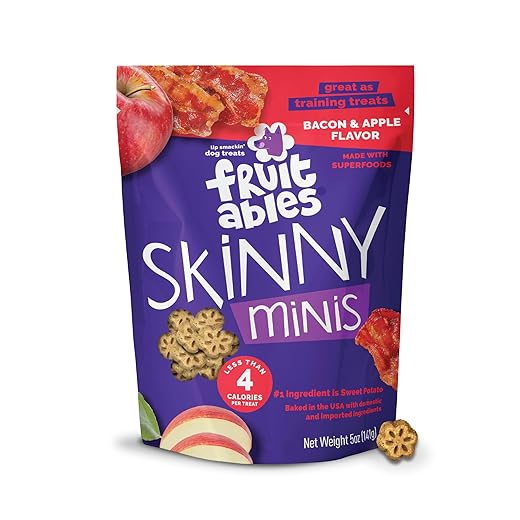
- Under 5 calories for training treats
- Under 25 calories for regular treats
- Under 50 calories for large chews
For overweight dogs, even lower is better.
✓ 4. No artificial ingredients
Veterinarians consistently advise avoiding:
- Artificial colors
- Propylene glycol
- BHA, BHT, ethoxyquin
- Added sugars
- High-fructose corn syrup
- MSG-like flavor boosters
Dogs do not need any of these, and some are linked to cancer or immune issues.
✓ 5. Treats made in the USA, Canada, New Zealand, or the EU
These regions have the strongest safety standards.
Avoid treats from China or treats with undefined “imported ingredients.”
What Vets Say to AVOID in 2025
Even if a brand markets itself as “all-natural,” you should still scan the ingredients.
1. Rawhide
Still widely sold in 2025, still unsafe:
- Indigestible
- Choking hazard
- Can cause intestinal blockages
- Often coated in chemical bleaches
Veterinarians strongly warn against it.
2. Cheap jerky treats
Especially those containing:
- Glycerin (from unknown sources)
- “Meat flavor”
- Grain fillers
- Sorbitol
These treats caused massive recalls in prior years.
3. Treats with too many carbs
If the first ingredients are:
- Wheat flour
- Cornmeal
- Potato starch
- Rice
Then the treat is basically a dog cookie, not healthy nutrition.
4. Mold-prone soft treats
Unless you refrigerate them, soft fresh treats can grow mold quickly.
5. Treats that are too hard
If you can’t press your thumbnail into it, it can crack a tooth.
Vets treat broken teeth from hard treats every single day.
Types of Healthy Treats Vets Recommend Most in 2025
Here are the categories veterinarians say offer the best nutrition and the lowest risk.
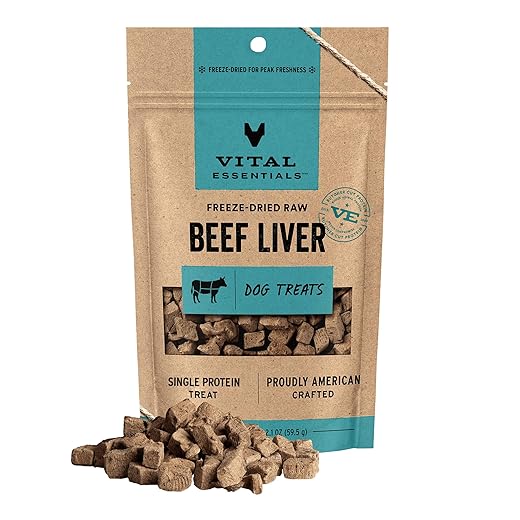
1. Freeze-dried single-ingredient treats
These are the gold standard right now.
Why?
- Nothing added
- Nutrient dense
- Dogs LOVE the smell
- Ideal for training
- Great for sensitive stomachs
Popular proteins:
- Beef liver
- Chicken breast
- Salmon
- Turkey
- Cod
- Lamb lung
2. Soft meaty training treats (low-calorie)
For training, you want:
- Soft
- Smelly
- Fast to swallow
- <3 calories each
Great options include:
- Salmon bites
- Turkey squares
- Lamb training nibs
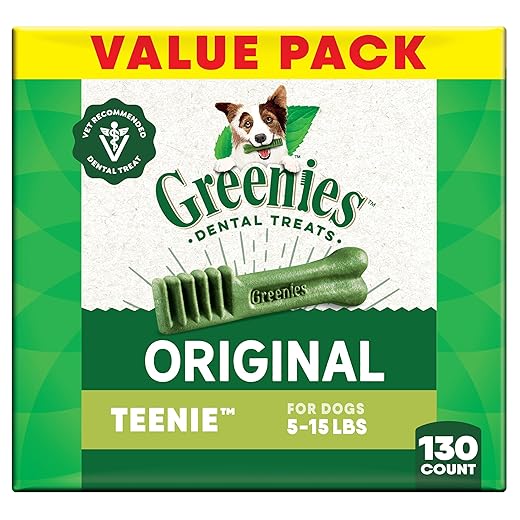
3. Dental treats backed by research
Most dental chews are marketing fluff.
The ones that work have a VOHC seal (Veterinary Oral Health Council).
4. Dehydrated whole foods
Like:
- Sweet potato slices
- Sardines
- Chicken jerky (USA only)
- Rabbit strips
Pure, simple, and nutritious.
5. Air-dried meat strips
Higher quality and safer than jerky.
How Many Treats Your Dog Should Actually Have Per Day
Vets recommend the 10% rule:
Treats should make up no more than 10% of your dog’s daily calories.
Examples:
- Small dog (15 lb): 40–60 treat calories/day
- Medium dog (40 lb): 80–100 treat calories/day
- Large dog (75 lb): 120–150 treat calories/day
Most dog owners exceed this daily.
Vet-Approved Shopping Checklist (Print This)
When choosing treats, ask yourself:
Does the treat…
- Have fewer than 10 ingredients?
- Use real meat as the first ingredient?
- Have no artificial colors or preservatives?
- Have fewer than 25 calories per piece?
- Come from USA/Canada/NZ/EU only?
- Pass the thumbnail “not too hard” test?
If the answer is YES to all of the above, it’s a healthy treat.
Final Thoughts
Choosing healthy dog treats doesn’t have to be hard. Don’t get fooled by the marketing, the buzzwords, or the pretty packaging. Stick to whole ingredients, short lists, low calories, and products made in countries with strict safety standards.
Your dog will be just as happy—actually, happier—when the treats you give support their digestion, joints, weight, coat, and long-term health.
Healthy treats = longer life + better energy + better training sessions + fewer vet bills.