

Toxins Lurking in Pet Treats: Ingredients You MUST Avoid
As pet parents, we always want the best for our furry friends. Unfortunately, some pet treats contain hidden toxins that can harm their health. Understanding these harmful ingredients can help you choose safe and nutritious treats for your pets.
Why This Topic Matters for Pet Parents
Choosing the right treats is essential for your pet’s health. Many commercial pet treats may contain harmful additives that can lead to serious health issues. Knowing what to avoid can not only keep your pets happy but also protect them from long-term health problems.
Key Insights
- Understanding Labels: Always read the ingredient list before buying pet treats.
- Common Toxins: Some treats contain harmful chemicals that can cause digestive issues or poisoning.
- Natural vs. Synthetic: Opt for natural ingredients whenever possible; synthetic additives can be harmful.
- Health Impact: Consuming harmful ingredients can lead to obesity, allergies, and other serious health concerns.
Expert Tips
Here are some veterinarian-style recommendations to help you select safe treats:
- Avoid Treats with Artificial Colors and Flavors: These additives serve no nutritional purpose and can be toxic to pets.
- Stay Away from Preservatives: BHA, BHT, and Ethoxyquin are known to be harmful and should be avoided.
- Look Out for Meat by-products: These can be low-quality and may include undesirable parts of animals.
- Choose Limited Ingredient Treats: Fewer ingredients usually mean fewer chances for harmful additives.
- Consult Your Vet: Before introducing new treats, talk to your veterinarian about what’s safe for your pet.
Best Products or Treat Types
Here are some safe treat types you can consider for your pets:
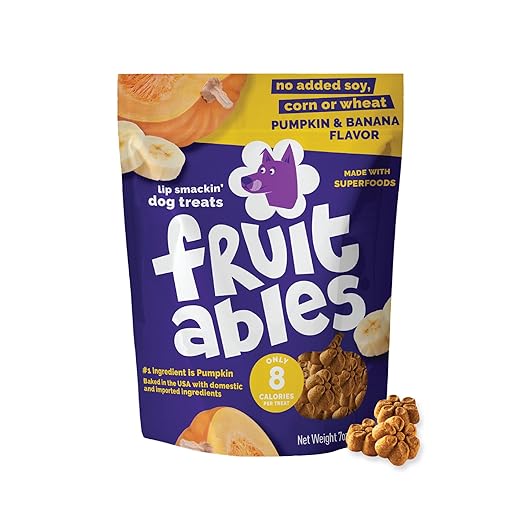
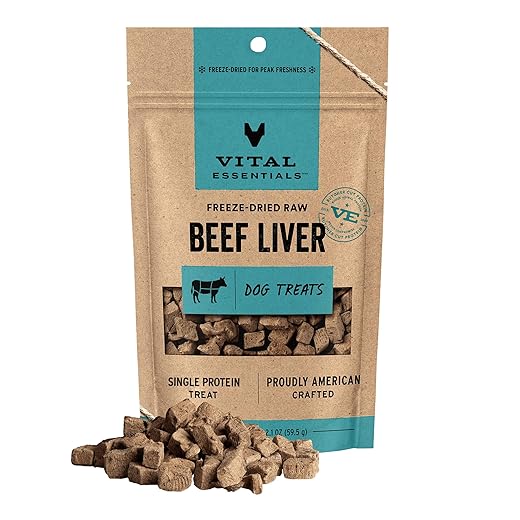
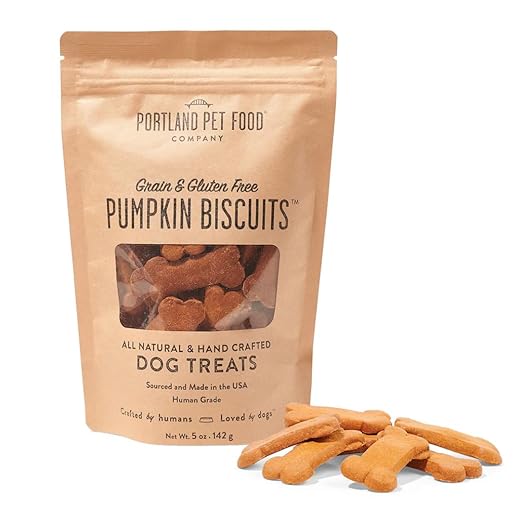
- Single-Ingredient Treats: Look for treats made from a single ingredient like chicken, sweet potato, or pumpkin.
- Homemade Treats: Baking your own pet treats gives you complete control over the ingredients.
- Raw Fruits and Vegetables: Options like carrots, apples, and green beans are healthy and safe snacks.
- Organic Treats: Many organic products avoid synthetic chemicals and additives.
Common Mistakes to Avoid
- Ignoring Ingredient Lists: Always read the label; don’t assume a product is safe just because it’s in a pet store.
- Choosing Cheaper Options: Sometimes, you get what you pay for; low-cost treats may contain harmful fillers.
- Following Trends: Just because a treat is trendy doesn’t mean it’s safe; do your research first.
- Feeding Too Many Treats: Overdoing it with treats can lead to obesity and health issues, so limit their intake.
FAQs
1. What are the most common toxins in pet treats?
Common toxins include artificial colors, preservatives like BHA and BHT, and low-quality meat by-products.
2. How can I find safe treats for my pet?
Look for natural products, read ingredient labels, and opt for treats with fewer ingredients.
3. Are homemade treats better for my pet?
Yes, homemade treats allow you to control the ingredients, ensuring they are safe and healthy.
4. Can human food be bad for my pet?
Yes, some human foods like chocolate, grapes, and onions are toxic to pets. Always check before sharing.
5. How often should I give my pet treats?
Limit treats to about 10% of their daily caloric intake to maintain a balanced diet.
6. Should I consult my vet about pet treats?
Yes, it’s always a good idea to consult your veterinarian for recommendations tailored to your pet’s specific needs.
Conclusion
Ensuring the safety of your pet’s treats is vital for their overall health. By understanding which ingredients to avoid, reading labels, and opting for high-quality, natural options, you can keep your furry friend safe from harmful toxins. Remember, when in doubt, consult your veterinarian for the best advice on pet nutrition and treats. Your pet deserves the best!