

Clicker Training Success: Pairing the Click with the Perfect Treat
Clicker training is a popular dog training method that uses a click sound to mark the desired behavior, followed by a reward. Pairing this sound with the right treat can greatly enhance the effectiveness of your training sessions. This article will help you understand how to choose the best treats for clicker training for your pets.
Why This Topic Matters for Pet Parents
Clicker training can transform how you and your pet communicate. It helps build a strong bond and teaches your pet new skills efficiently. Knowing how to choose the right treat can make a big difference in your training success.
Key Insights
- Clicker training bridges the communication gap between you and your pet.
- Using the right treat enhances motivation and speed of learning.
- Consistency is key; always click at the right moment to reinforce behavior.
- Smaller treats can be more effective because they keep your pet engaged.
- Choose high-value treats that your pet doesn’t get often for better results.
Expert Tips
Here are some veterinarian-style recommendations to improve your clicker training:
- Start Small: Begin training in a distraction-free environment. This helps your pet focus on you.
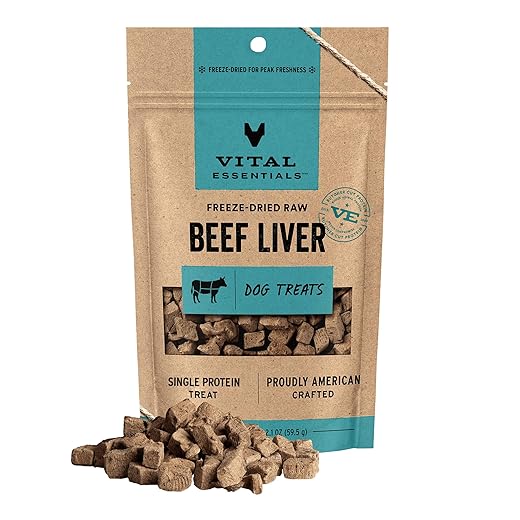
- Use High-Value Treats: Treats like small pieces of chicken, cheese, or liver can be very motivating for your pet.
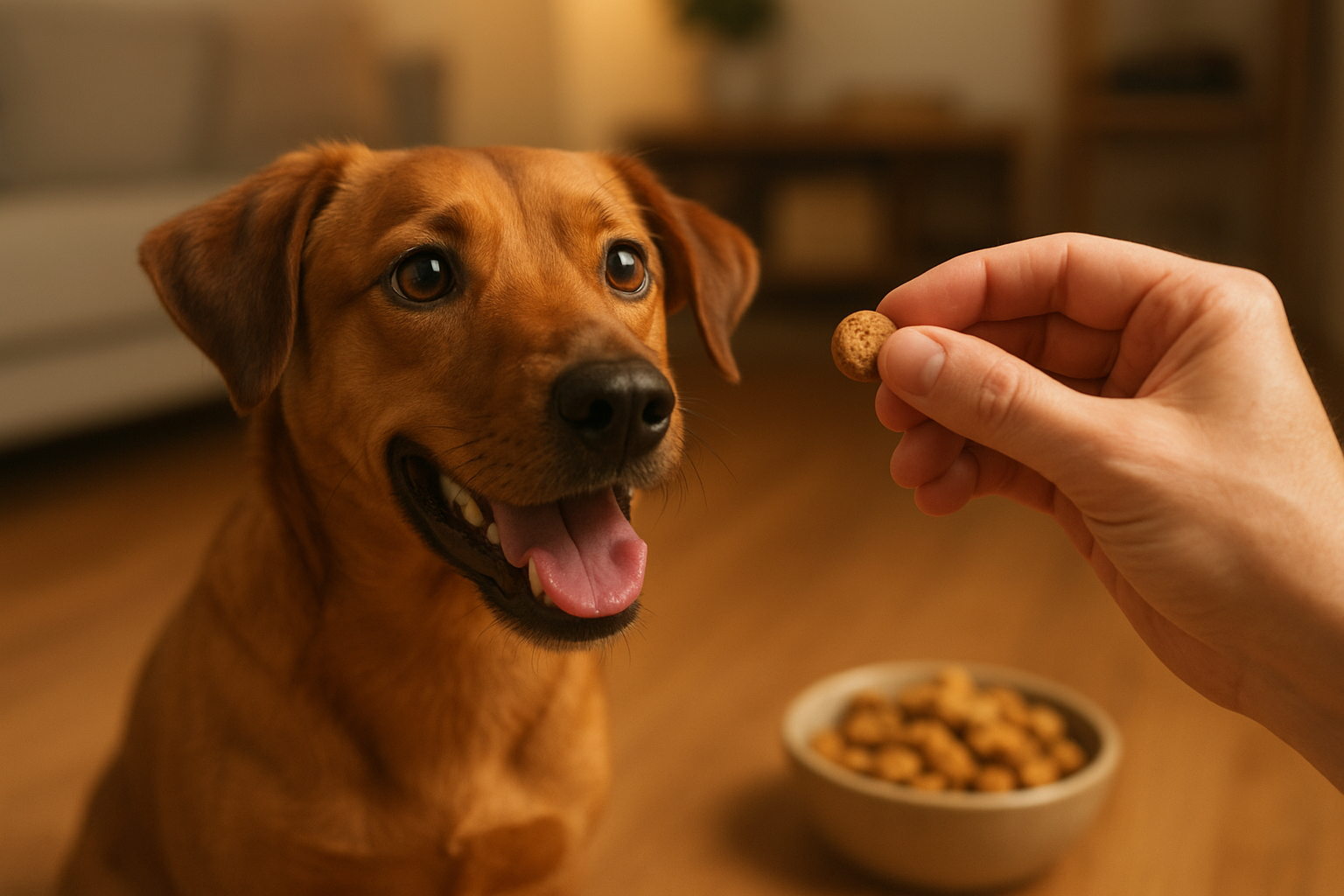
- Be Immediate: Click the moment your pet performs the desired behavior. Then, deliver the treat promptly.
- Practice Patience: Don’t rush through training. Progress at your pet’s pace for better results.
- Keep Sessions Short: Aim for short sessions (5-10 minutes) to maintain your pet’s interest and enthusiasm.
Best Products or Treat Types
Choosing the right treats can make all the difference in your clicker training success. Consider these types:
- Soft Treats: These are easy to chew and can be eaten quickly, keeping the training session flowing.
- Small Treats: Miniature-sized treats help prevent your pet from getting too full and distracted.
- Freeze-Dried Treats: These are portable and often very appealing to pets.
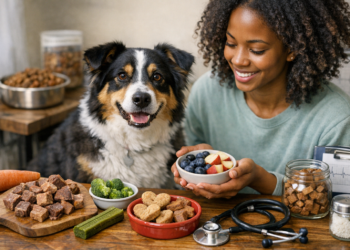
- Homemade Treats: You can control the ingredients, making them healthy and special for your pet.
- Low-Calorie Options: Look for treats that are low in calories to keep your pet healthy during training.
Common Mistakes to Avoid
- Using Too Many Treats: Over-treating can lead to obesity. Treats should be small and given in moderation.
- Inconsistent Clicking: Not clicking at the right time can confuse your pet about what they are being rewarded for.
- Choosing Unappealing Treats: If your pet doesn’t care for the treat, they won’t be motivated to learn.
- Ignoring Exercise: Training should involve both mental and physical exercise to keep your pet healthy.
- Rushing the Training Process: Each pet learns at their own pace. Take time to ensure they understand each command.
FAQs
- What is clicker training?
Clicker training is a method that uses a small handheld device to make a clicking sound to mark desired behaviors in pets. - Why are treats important in clicker training?
Treats reinforce the behavior you just clicked. They motivate your pet to repeat the action. - Can you train all pets with a clicker?
Yes, clicker training can be effective for many pets, including dogs, cats, and even some small mammals. - How do I find the right treat for my pet?
Experiment with different types of treats, or observe what your pet enjoys eating the most. - How long should a clicker training session last?
Keep sessions between 5-10 minutes to maintain your pet’s attention and enthusiasm.
Conclusion
Clicker training is a wonderful way to build a strong bond with your pet while teaching them new skills. The key to success lies in pairing the clicker sound with the right treat. Choose high-value treats that motivate your pet, and keep your training sessions fun and engaging. Avoid common mistakes to ensure your training is effective. With practice and patience, you’ll enjoy training that is rewarding for both you and your pet!