

Bringing home a puppy is one of the best feelings in the world—but choosing the right treats for them? That part gets confusing fast. Puppies grow fast, have sensitive stomachs, and need very specific nutrients to support their bones, brain, immune system, and energy levels.
The good news:
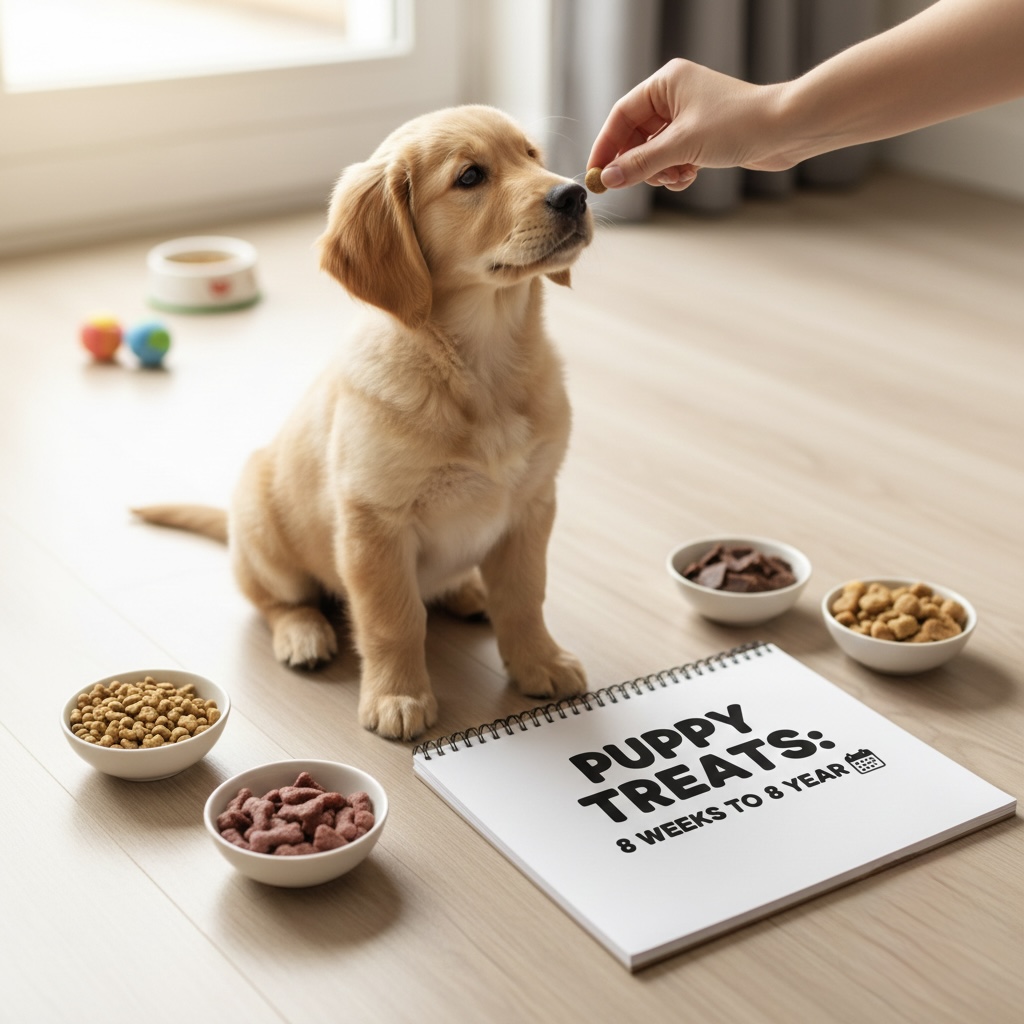
You can give treats to puppies safely, starting as early as 8 weeks old, as long as you choose the right ones and use the right portion sizes.
This 2025 guide breaks down everything you need to know, including:
- The safest treats for puppies
- How many treats puppies can have
- Training treats vs. daily treats
- What ingredients puppies must avoid
- The best treats for teething and chewing
- The top vet-approved treat recommendations by age
Let’s get into it.
Can Puppies Have Treats at 8 Weeks Old?
Yes, but only specific types of treats.
At 8 weeks old, puppies:
- Have very small stomachs
- Are still developing their teeth
- Can’t tolerate high-fat treats
- Need consistent daily calories
- Should avoid hard chews completely
So the goal isn’t to “snack”—it’s to support learning, reward good behavior, and help with early training.

The safest treats at this age are:
- Soft, small training treats
- Freeze-dried single-ingredient meats
- Puppy-specific baked treats
- Tiny pieces of cooked fresh foods
- Tiny amounts of cheese (sparingly)
- Teething-friendly puppy chews
How Many Treats Can Puppies Have Per Day? (Vet Formula)
For puppies, use the 5% calorie rule instead of the adult 10% rule.
Treat calories should not exceed 5% of your puppy’s daily calories.
Approximate guidelines:
| Puppy Weight | Daily Calories | Max Treat Calories |
|---|---|---|
| 5 lbs | 200–300 | 10–15 |
| 10 lbs | 350–450 | 18–22 |
| 20 lbs | 600–750 | 30–37 |
| 40 lbs | 900–1,100 | 45–55 |
This ensures treats don’t disrupt their growth or nutrition.
What Makes a Treat “Puppy-Safe”?
Treats for puppies should be:
1. Soft or easily breakable
Puppy teeth are delicate; avoid anything hard.
2. Very small
The best treats are pea-sized or smaller.
3. Low-fat
Puppy stomachs get upset easily. Fat should stay moderate.
4. Protein-based
Growing puppies need a lot of protein.
5. Free of common irritants
Avoid treats with corn, soy, artificial colors, or heavy fillers.
6. Zero-risk choking hazards
No bones, no rawhide, no bully sticks.
Treats Puppies MUST Avoid
This is extremely important.
Puppies should never have:
- Rawhide
- Bully sticks
- Hard dental chews
- Cooked bones
- Jerky treats with glycerin
- Pork fat treats
- High-fat cheese treats
- Cow hooves
- Antlers
- Yak chews (too hard)
- Compressed chew sticks
- Anything labeled “for adult dogs only”
These either pose choking risks, blockages, or digestive issues.
The Best Types of Treats for Puppies (2025)
Below is a breakdown of the best treats organized by category and age range.
🌱 CATEGORY 1: BEST TRAINING TREATS FOR PUPPIES (8 WEEKS TO 6 MONTHS)
Training begins immediately, so good treats matter.
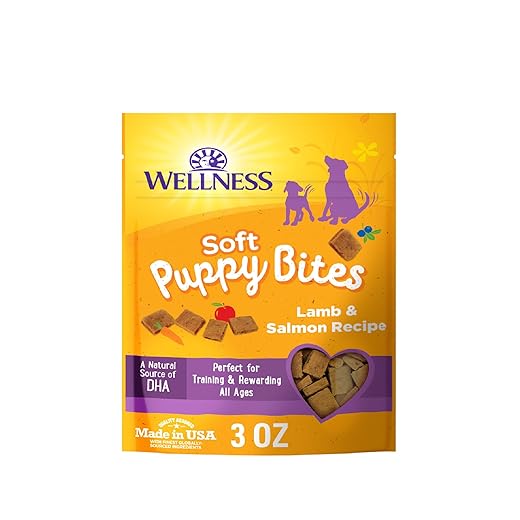
1. Soft Mini Training Bites
Ideal calorie count: 1–3 calories each
Why they’re perfect:
- Easy to chew
- Won’t upset stomach
- Great for frequent rewards
- Can be broken into tiny bits
Flavors puppies love:
- Chicken
- Salmon
- Turkey
- Duck
2. Freeze-Dried Single-Ingredient Treats (Crumbled)
Ingredients like:
- Chicken
- Turkey
- Salmon
- Beef liver
Benefits:
- High protein
- Easily digestible
- Strong smell motivates puppies
Pro tip:
Crumble them into tiny pieces so you can use one treat for 10–20 rewards.
3. Tiny Pieces of Fresh Foods
Vet-safe choices:
- Bits of boiled chicken
- Tiny pieces of banana
- Apple slivers (no seeds)
- Soft-cooked sweet potato
- Cucumber pieces
Great for puppies with sensitive stomachs.
🦷 CATEGORY 2: BEST TEETHING TREATS (10 WEEKS TO 6 MONTHS)
Puppies chew because their gums hurt. The key is to offer safe, soft, pliable items.
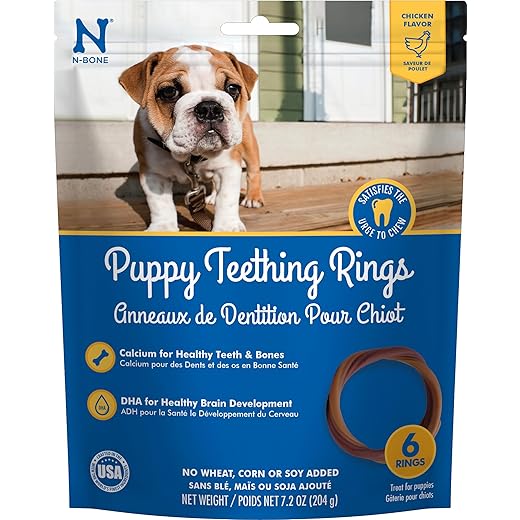
1. Puppy Teething Rings
These are designed to:
- Soothe gums
- Avoid tooth fractures
- Provide safe chewing time
Choose options specifically labeled “For Puppies.”
2. Cold or Frozen Puppy Chews
Look for soft, refrigerated chews made from:
- Yogurt
- Banana
- Pumpkin
- Soft proteins
Freeze them to numb gums safely.
3. Frozen Wet Puppy Food Cubes
Take high-quality wet puppy food and freeze it in small molds.
This creates:
- Low-calorie
- Safe
- Nutritious
- Puppy-appropriate
teething treats.
🏋️ CATEGORY 3: BEST HIGH-VALUE TRAINING TREATS FOR ADVANCED LEARNING
Perfect for:
- Recall training
- Crate training
- Loose-leash walking
- Behavior shaping
1. Freeze-Dried Liver
Very powerful reward (use sparingly).
2. Soft Fish Bites
Strong smell = strong motivation.
3. Turkey or Chicken Roll Treats (Cut Into Tiny Pieces)
These rolls are used by professional trainers.
Advantages:
- Low-cost per training session
- Can cut into 100+ pieces
- Extremely motivating
🥦 CATEGORY 4: BEST LOW-CALORIE TREATS FOR PUPPY WEIGHT CONTROL
Some puppies (especially Labs, Goldens, Beagles, Pugs) gain weight easily.
Use:
1. Crunchy Veggie Treats
- Carrot rounds
- Green beans
- Cucumber slices
2. Soft Pumpkin Bites
Good for stool health too.
3. Mini Treats Under 2 Calories
Always ideal for high-frequency training.
📅 TREATS BY AGE: What to Feed Month-by-Month
This section gives pet parents a foolproof roadmap.
8–12 Weeks Old (Early Puppy Stage)
Focus on:
- Soft treats
- Tiny pieces
- Simple ingredients
Best treats:
- Soft mini bites
- Freeze-dried chicken crumbles
- Puppy teething rings
- Cooked chicken shreds
Avoid:
- Any hard chew
- High-fat treats
- Peanut butter
3–6 Months Old (Teething + Learning Stage)
This is the MOST important training period.
Best treats:
- Soft training treats
- Freeze-dried meat
- Tiny cheese bits
- Frozen puppy-safe treats
You can also introduce:
- Soft chew sticks made specifically for puppies
Avoid:
- Adult dental chews
- Bones
- Yak chews
6–12 Months Old (Teenage Puppy Stage)
Your puppy is now stronger, hungrier, and highly energetic.
Best treats:
- Soft training bites
- Air-dried thin meat strips
- Low-calorie veggie treats
- Limited-ingredient puppy treats
Still avoid:
- Bully sticks (still too high-fat)
- Hard antlers
You can begin:
- Longer-lasting soft chews labeled “puppy safe”
Signs a Treat Is NOT Working for Your Puppy
Stop giving a treat immediately if you notice:
- Loose stools
- Vomiting
- Itching or redness
- Lethargy
- Hyperactivity
- Gas or bloating
- Refusal to eat meals afterward
Puppies react fast—listen to their bodies.
How to Use Treats to Train a Puppy (2025 Method)
Veterinarians and trainers recommend:
1. Use very small treats
Pea-sized or smaller.
2. Reward frequently, not heavily
Rapid-fire training works best.
3. Mix food rewards and praise
Don’t create treat-dependency.
4. Use the best treats for the hardest tasks
Recall, crate entry, and new commands = high-value treats.
5. Track calories
Treats should not replace meals.
Recommended Daily Treat Routine for the Average Puppy
Here’s a simple daily schedule:
Morning Training (5–10 minutes)
- Use soft mini treats
- Practice 2–3 commands
- Keep portions tiny
Midday Chew Time
- Offer a puppy-safe teething ring
- Frozen treats if gums seem sore
Evening Training (5 minutes)
- High-value treats
- Recall training
- Leash practice
Before Bed
- Optional: one small soft treat
- Or a frozen banana piece for teething pups
Final Thoughts: The Right Treats Help Puppies Grow Smarter, Happier, and Healthier
Treats aren’t just snacks—they’re tools.
When used correctly, the right puppy treats will help:
- Build confidence
- Improve training results
- Reduce teething pain
- Strengthen your bond
- Support healthy growth
From 8 weeks to 1 year, puppies need soft, tiny, protein-rich, safe treats that match their stage of development.
With smart choices and correct portion control, treats become one of the most powerful parts of raising a well-behaved dog.