
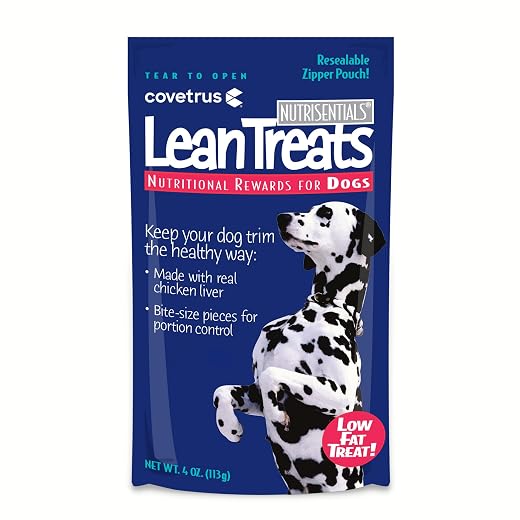
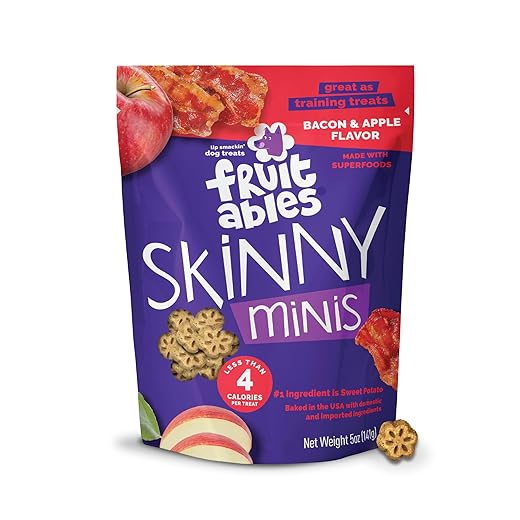
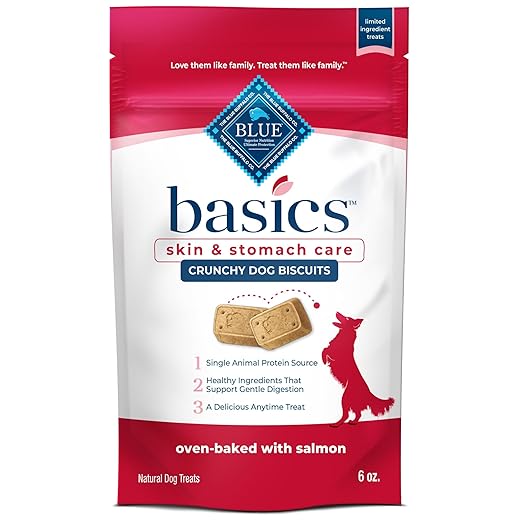

More than 56% of dogs in the U.S. are overweight, according to recent veterinary studies. That means millions of pet parents are trying to cut calories while still rewarding their dogs, training them, or giving them something tasty to brighten their day.
The good news?
You don’t have to stop giving treats entirely.
You just need the right low-calorie treats — and a smart strategy for using them.
This 2025 guide breaks down what vets actually recommend, what to avoid, and the best low-calorie treats for overweight dogs, organized by age, breed size, health conditions, and more.
Let’s start with the basics.
Why Low-Calorie Treats Matter
Treats should make up no more than 10% of your dog’s daily calories. But most owners don’t realize how quickly calories add up.
Examples:
- One large biscuit treat = 70–100 calories
- One medium dental chew = 50–80 calories
- One piece of jerky = 40–60 calories
For a 20-lb dog who only needs around 400 calories a day, those snacks add up fast.
Low-calorie treats help you:
- Reward your dog frequently
- Avoid sabotaging weight-loss progress
- Use treats for training without guilt
- Manage conditions like arthritis, joint pain, and diabetes
How to Choose a Truly Low-Calorie Treat
Not all “light” or “diet” treats are actually low-calorie. Some are just marketed that way.
Here’s what veterinarians recommend checking:
1. Look for 3 calories or less per treat
For small dogs, 1–2 calories per treat is ideal.
For medium/large dogs, 3–5 calories per treat is great.
If a treat doesn’t list calories, skip it — serious brands always disclose calories.
2. Look for treats with real, whole ingredients
Better low-calorie ingredients include:
- Pumpkin
- Sweet potato
- Blueberries
- Apples
- Green beans
- Freeze-dried meat
- Carrots
- Oat flour (light portions)
- Rice crackers (tiny pieces)
- Fish skin (thin strips)
Ingredients to avoid for overweight dogs:
- Cheese or cheese powder
- Peanut butter (extremely calorie-dense)
- Bacon or pork fat
- Heavy oils
- Biscuits high in carbs and fat
- “Meat jerky” with sugar or glycerin
3. Avoid fillers that add hidden calories
Hidden calories often come from:
- Molasses
- Brown sugar
- Honey
- Corn syrup
- Vegetable glycerin (very common)
- Potato flour
- Chickpea flour
- Pea starch
These ingredients make treats tasty but also more calorie-dense.
4. Soft treats are better for weight loss
Here’s why:
- They can be torn into very tiny pieces
- They’re less calorie-dense
- They’re ideal for high-frequency reward training
- You can make one treat last through multiple cues
5. Avoid dental chews during weight loss
This surprises a lot of pet parents, but:
Most dental chews are 50–80 calories EACH.
They can ruin a weight-loss plan instantly.
Instead, switch to:
- Dental gels
- Water additives
- Brushing
- Low-calorie dental treats (rare but emerging in 2025)
The Best Low-Calorie Treats for Dogs (2025 Vet-Approved List)
This list includes treats that are widely recommended by veterinarians, trainers, and canine nutrition experts.
(We aren’t linking to brands here because you’ll add affiliate links later.)
Category 1: Lowest-Calorie Treats Possible (0–2 calories each)
These are the best for overweight dogs with strict calorie limits.
1. Freeze-Dried Single-Ingredient Meat Crumbles
Calories: 1–2 per piece
Examples:
- Freeze-dried chicken breast
- Freeze-dried turkey
- Freeze-dried salmon flakes
Why they’re great:
- Pure protein
- Very low in fat
- Dogs love them
- You can crumble tiny bits over meals
2. Air-Dried Fish Skin Chips
Calories: 1–2 per chip
Benefits:
- High in omega-3
- Very low-fat
- Good for coat + joints
Choose thin strips, not thick “chews.”
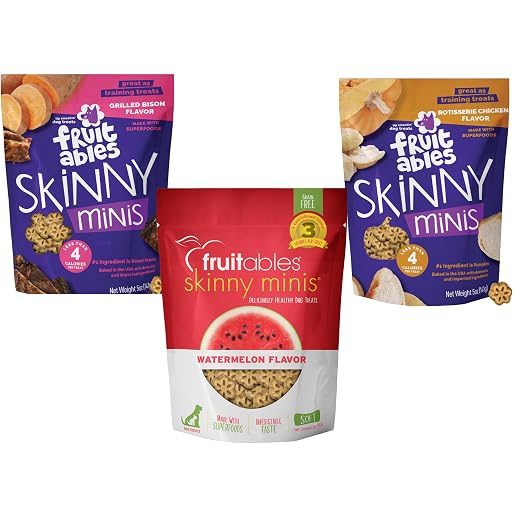
3. Store-Bought Training Rewards (Mini-Sized)
Calories: 1 per treat
Many high-quality training treats now come in ultra-mini sizes, perfect for weight management.
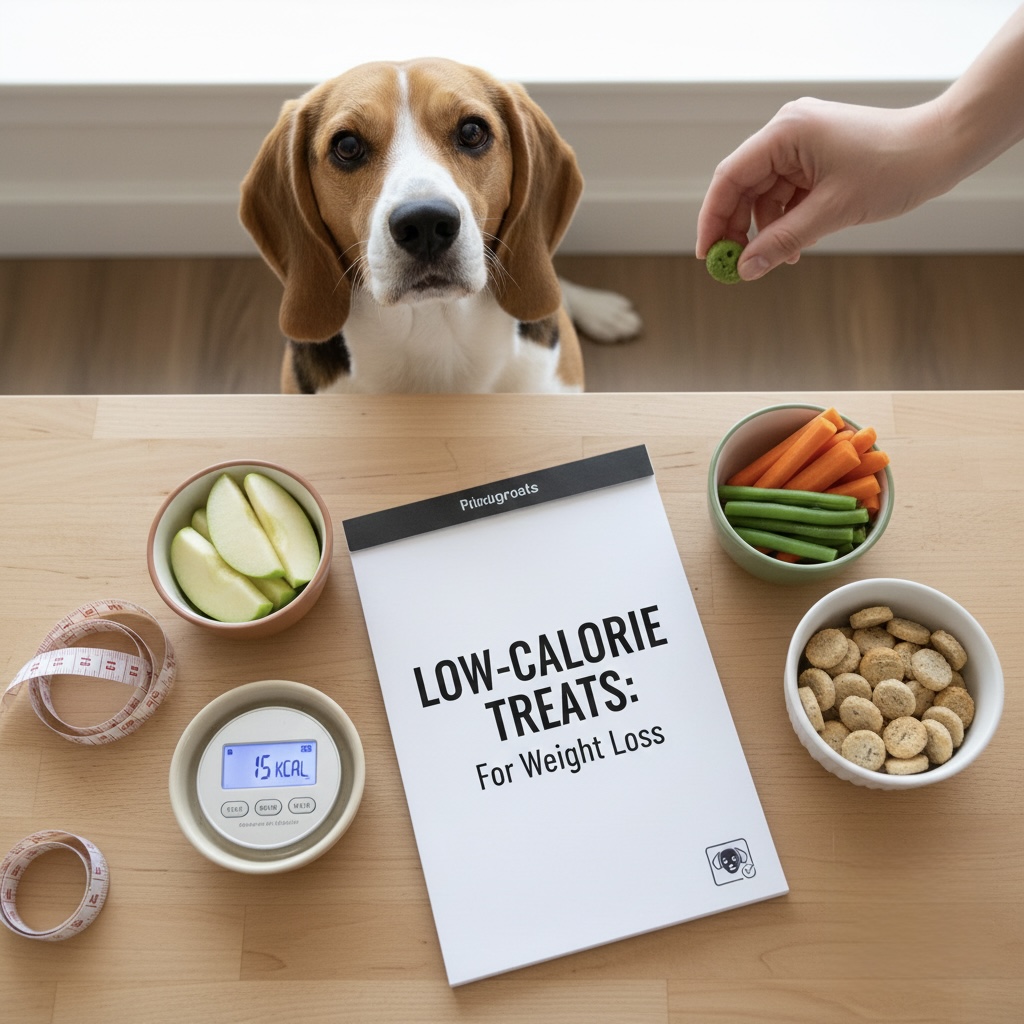
4. Fruit and Veggie Bites
Calories: 1 per piece
The best options:
- Blueberries
- Green beans (frozen or fresh)
- Apple bits (peeled)
- Steamed carrots
Avoid:
- Grapes
- Raisins
- Onion
- Garlic
Category 2: Low-Calorie Treats (3–6 calories each)
Ideal for medium and large dogs.
5. Low-Calorie Soft Bites
Calories: 3–4 each
These treats are usually made with:
- Pumpkin
- Sweet potato
- Oat flour
They’re soft, break easily, and are gentle on teeth.
6. Jerky-Style Treats (Thin, Not Thick)
Calories: 4–6 each
Choose:
- Chicken
- Turkey
- Duck
Avoid:
- Pork
- Beef (higher fat)
- Jerky with sugar or molasses
Break them into tiny pieces.
7. Crunchy Rice Crackers for Dogs
Calories: 2–3 per cracker
These are popping up more in 2025.
They’re:
- Very light
- Low-fat
- Low-carb
- Easy to portion
Category 3: Natural, Low-Calorie Treats for Sensitive Dogs
If your dog has allergies, you can still give low-calorie treats.
8. Single-Ingredient Sweet Potato Chips
Calories: 3–5 each
Make sure they’re dehydrated chips — not thick chews.
9. Freeze-Dried Pumpkin Cubes
Calories: 2–4 per cube
Great for:
- Digestion
- Weight loss
- Sensitive stomachs
10. Hypoallergenic Limited-Ingredient Treats
Calories: 4–6 per treat
Look for:
- One protein
- One carb
- No peas
- No legumes
- No grains (optional depending on your dog)
Avoid treats with 20–30 ingredients.
Healthy Human Foods That Make GREAT Low-Calorie Dog Treats
These are vet-approved and easy to keep on hand:
Vegetables
- Carrots
- Green beans
- Cucumber slices
- Zucchini
- Celery
Fruits
- Watermelon (no seeds)
- Apple slices
- Blueberries
- Banana pieces (sparingly)
Homemade
- Baked pumpkin bites
- Frozen broth cubes
- Dehydrated chicken strips
These options are low-cost, safe, and naturally low-calorie.
How Many Treats Can a Dog Have While Dieting? (Vet Formula)
Follow the 10% Rule:
Treat calories should be 10% or less of your dog’s total daily calorie allowance.
Examples:
| Dog Weight | Daily Calories Needed | Max Treat Calories |
|---|---|---|
| 10 lbs | 200–300 | 20–30 |
| 20 lbs | 350–450 | 35–45 |
| 40 lbs | 600–800 | 60–80 |
| 70 lbs | 1,000–1,200 | 100–120 |
Low-calorie treats make this much easier.
Tips for Using Treats While Helping Your Dog Lose Weight
1. Break treats into tiny pieces
Most dogs don’t care about size — just frequency.
2. Mix treats with praise
Use:
- Voice rewards
- Pets
- Play sessions
This reduces treat reliance.
3. Use treats only when needed
Avoid mindless snacking.
4. Replace high-calorie chews
Stop offering:
- Rawhide
- Bully sticks
- Fatty chews
- Dental chews (very high calorie)
Switch to:
- Thin fish skins
- Soft low-calorie cubes
- Miniature freeze-dried bites
5. Weigh your dog every 2 weeks
This is the only way to see progress reliably.
The Best Overall Low-Calorie Treat Strategy (2025)
If you want to help your dog lose weight effectively, vets recommend:
- Use 1–2 calorie treats for training
- Avoid high-calorie chews entirely
- Keep treats at 10% of daily calories
- Swap processed treats for whole foods
- Use soft treats you can break into tiny pieces
- Use puzzle feeders instead of treat-heavy enrichment
This approach works for dogs of all ages, sizes, and health conditions.
Final Thoughts: You Don’t Need to Give Up Treats to Help Your Dog Lose Weight
Weight loss in dogs is absolutely possible — and treats can still be part of their routine.
You just need:
- Smarter treat choices
- Smaller portions
- More whole foods
- More intentional reward training
Low-calorie treats make life easier for you and healthier for your dog, without sacrificing joy.