
The Best Treats for Training Therapy and Emotional Support Animals
Choosing the right treats for your therapy or emotional support animal is important for their training and well-being. The right snacks can motivate them, reinforce positive behavior, and strengthen the bond you share. This guide will help you find the best treats for your furry companion.
Why This Topic Matters for Pet Parents
As a pet parent, understanding how to use treats effectively can make a big difference in your animal’s training and emotional health. Treats can help:
- Reinforce good behavior during training sessions.
- Build your animal’s confidence and trust.
- Provide comfort and reward during stressful situations.
Key Insights
- Training treats should be small, soft, and easily chewable.
- Look for treats made with natural ingredients and no artificial additives.
- Monitor the calorie content to avoid overfeeding.
- Incorporate a variety of flavors to keep your animal interested.
- Always supervise your animal when giving treats to prevent choking.
Expert Tips
Veterinarians recommend the following when choosing treats:
- Size Matters: Choose treats that are small enough for quick consumption, making it easier to reward them right after good behavior.
- Nutritional Value: Opt for treats that specify high protein, low fat, and are made from whole food ingredients.
- Allergies and Sensitivities: Be aware of any food allergies your pet may have and choose hypoallergenic options.
- Reward Timing: Always give treats immediately after your pet performs the desired behavior to strengthen the association.
- Rotate Treats: To keep your animal engaged, rotate between different types of treats regularly.
Best Products or Treat Types
Here are some ideal types of treats for training therapy and emotional support animals:
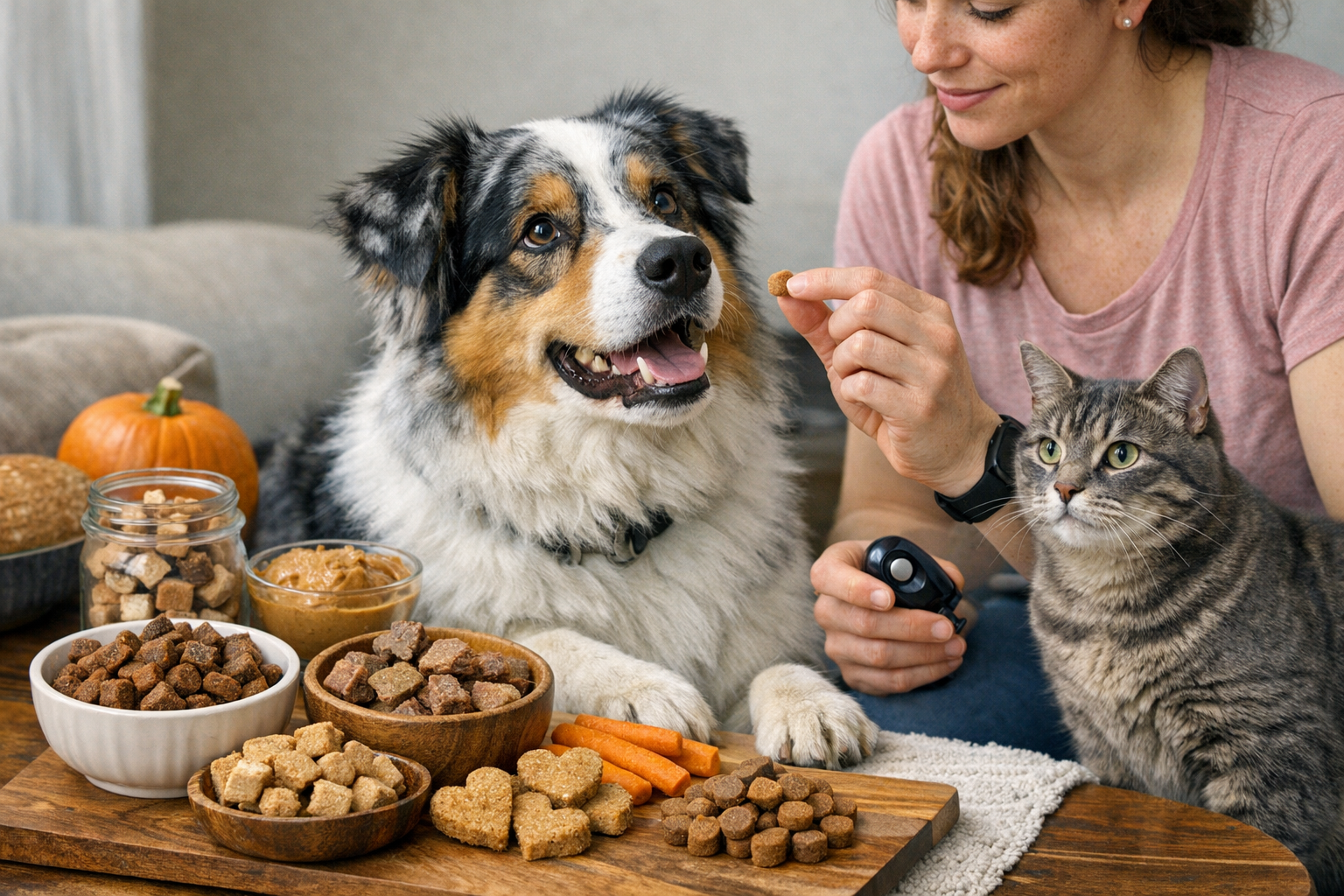
- Soft Chewy Treats: Perfect for quick rewards that can be eaten in one bite.
- Freeze-Dried Treats: These are usually made from whole meats and are high in protein, making them both tasty and healthy.
- Homemade Treats: You can easily make your own using ingredients like pumpkin, peanut butter (xylitol-free), and oats.
- Low-Calorie Options: These help prevent weight gain while still rewarding good behavior.
- Training Clickers: Pairing treats with clickers can enhance learning effectiveness for your pet.
Common Mistakes to Avoid
When giving treats, keep these common pitfalls in mind:
- Overdoing It: Avoid giving too many treats, which can lead to obesity.
- Ignoring Dental Health: Choose treats that can help clean your pet’s teeth or add dental chews to their routine.
- Neglecting Variety: Giving the same treat can lead to boredom; mix it up to maintain interest.
- Forgetting to Train: Treats should enhance training, not replace it. Always pair snacks with verbal praise or physical affection.
FAQs
1. How many treats can I give my therapy or emotional support animal daily?
Follow the general rule of no more than 10% of their daily calorie intake from treats.
2. Are commercial treats safe for all types of animals?
Check the ingredient list for potential allergens and consult your vet to ensure they are suitable for your specific pet.
3. Can I use human food as treats?
Yes, some human foods, like cooked chicken or carrots, can be great treats if they are safe and suitable for your pet.
4. What should I do if my pet refuses treats during training?
Try a different treat or increase the value of the reward, and ensure they are motivated and comfortable.
5. How can I tell if a treat is healthy for my pet?
Look for treats with whole food ingredients, minimal processing, and no fillers or artificial additives.
Conclusion
Finding the right treats for your therapy and emotional support animal can enhance their training experience and strengthen your bond. By choosing healthy, safe, and engaging treats, you can help your furry friend learn and thrive. Keep the tips and insights shared in this article in mind, and you’ll be well on your way to a happy and well-trained companion.