

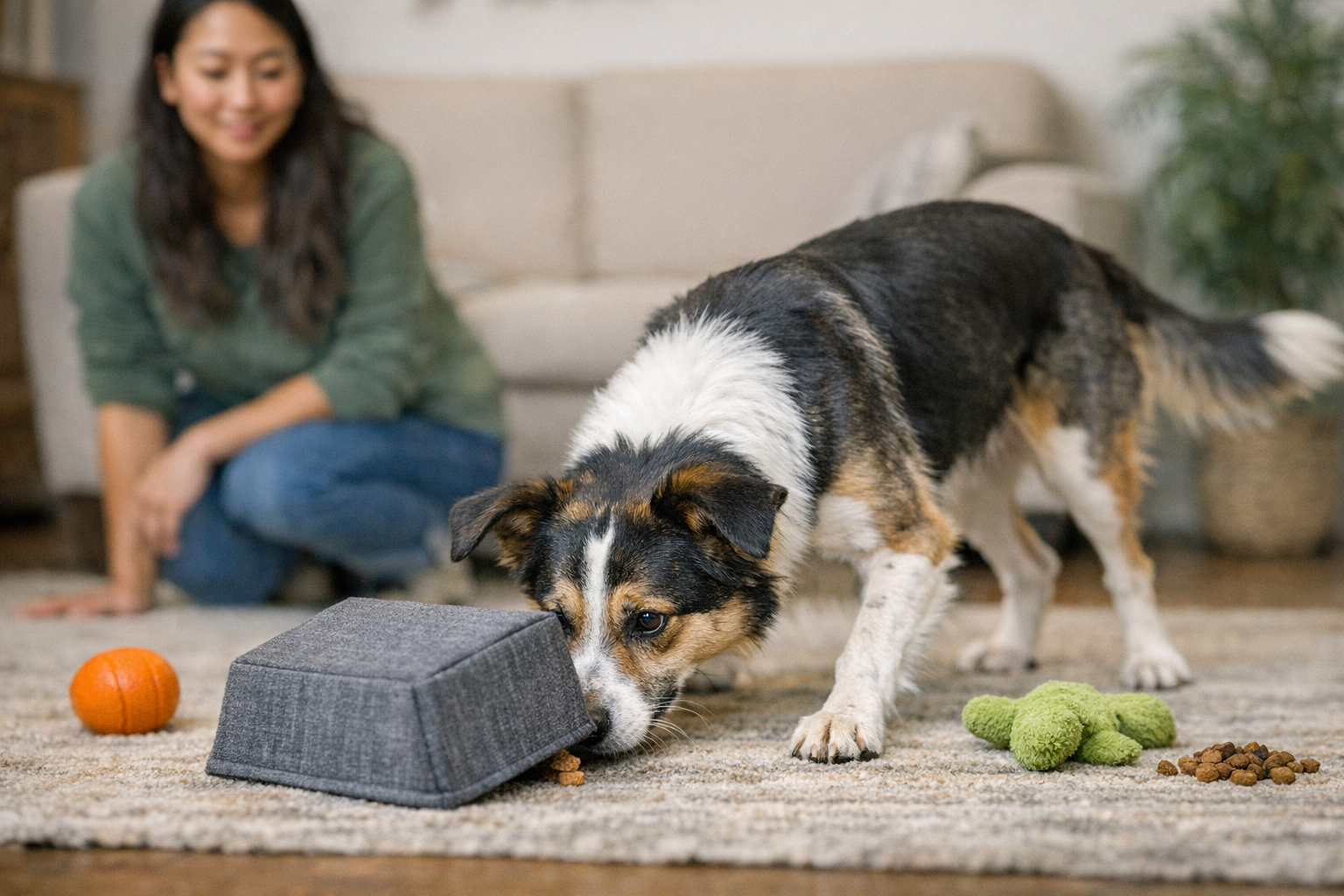
The ‘Find It’ Game: A Great Way to Practice Impulse Control
The “Find It” game is a fun and engaging way to help your pet learn impulse control. It not only keeps them mentally stimulated but also strengthens your bond. This article covers why it’s essential, tips for success, and common mistakes to avoid.
Why This Topic Matters for Pet Parents
Teaching impulse control is critical for pets. It helps them behave better, reduces anxiety, and makes them more enjoyable companions. Many pet parents face challenges with unruly behavior, and games like “Find It” can be a practical solution.
Key Insights
- The “Find It” game can increase your pet’s obedience.
- It promotes positive mental stimulation.
- The game helps channel natural instincts like sniffing and searching.
- Regular practice can improve impulse control over time.
- It provides a safe outlet for energy and curiosity.
Expert Tips
Here are some veterinarian-style recommendations to help you make the most of the “Find It” game:
- Start Simple: Begin by showing your pet the treat and letting them see where you hide it. Gradually increase the difficulty.
- Use High-Value Treats: Select treats your pet loves. Smellier and tastier treats work best.
- Limit Distractions: Make sure your environment is quiet and free of distractions when starting the game.
- Use Commands: Incorporate commands like “find it” to help your pet learn the game better.
- Practice Consistently: Regular practice reinforces learning and agility in your pet.
Best Products or Treat Types
When choosing treats for the “Find It” game, consider the following options:
- Soft Training Treats: Easy to chew and smell, making them perfect for quick rewards.
- Dehydrated Meat Treats: These are high in protein and usually have a strong scent that pets love.
- Cheese or Peanut Butter: Some pets are highly motivated by these flavors, making them great choices.
- Vegetable Treats: For pets on a diet, low-calorie options like carrots or sweet potatoes can work well.
Common Mistakes to Avoid
To ensure success with the “Find It” game, steer clear of these common pitfalls:
- Hiding Treats in Difficult Places: Initially, hide treats in easy spots. Gradually make it harder as your pet learns.
- Too Many Distractions: Avoid noisy or chaotic environments that can prevent your pet from focusing.
- Using Inappropriate Treats: Don’t use treats that are hard to find, less smelly, or unappealing to your pet.
- Being Inconsistent: Regular sessions are crucial for your pet to understand the game.
- Getting Frustrated: Stay positive. If your pet doesn’t get it at first, continue to practice!
FAQs
- How often should I play the “Find It” game with my pet?
Try to play a few times a week to keep it fun and engaging. - What breeds benefit most from the “Find It” game?
All breeds can benefit, but high-energy breeds like Border Collies may enjoy it even more. - Can this game help with separation anxiety?
Yes! The game provides mental stimulation and distraction, helping to reduce anxiety. - What if my pet ignores the treats?
Make sure the treats are appealing, or try hiding their favorite toy instead. - Is the “Find It” game suitable for older pets?
Yes! You can adapt the game’s difficulty to make it easier for older pets.
Conclusion
The “Find It” game is an excellent way to promote impulse control in dogs and cats while providing mental stimulation. By following the tips mentioned above, using the right treats, and avoiding common mistakes, you can create a fun and beneficial experience for both you and your pet. Start today and watch as your pet’s impulse control improves through this enjoyable game!