
• About
  • Contact Us
  • Home
  • Privacy Policy
Thursday, August 27, 2026
Treat Ninja - Your Guide to a Happier Pet
No Result
View All Result
No Result
View All Result
Treat Ninja - Your Guide to a Happier Pet
No Result
View All Result
Home Training & Strategy Enrichment

Using Puzzle Toys to Slow Down Eating and Enhance Cognitive Training

December 26, 2025
in Enrichment, Training & Strategy
0 0
0
0
SHARES
1
VIEWS
Share on TwitterShare on Facebook
Top Rated
KADTC Innovative Dog Puzzle Feeder
Amazon.com
KADTC Innovative Dog Puzzle Feeder
BUY NOW
Must-Have
PETSTA Interactive Dog Puzzle Toy
Amazon.com
PETSTA Interactive Dog Puzzle Toy
BUY NOW
Trending Now
Adjustable Dog Treat Dispensing Toy
Amazon.com
Adjustable Dog Treat Dispensing Toy
BUY NOW

Using Puzzle Toys to Slow Down Eating and Enhance Cognitive Training

Puzzle toys can be a great way to keep your pet engaged and slow down their eating. These toys not only challenge your pet mentally but can also prevent issues related to fast eating, such as choking and obesity. In this article, you will learn how to use puzzle toys to enhance cognitive training and make mealtime more fun.

Why This Topic Matters for Pet Parents

As pet parents, we want the best for our furry friends. Understanding the benefits of puzzle toys can help improve their health and happiness. Here’s why it matters:

Top Rated
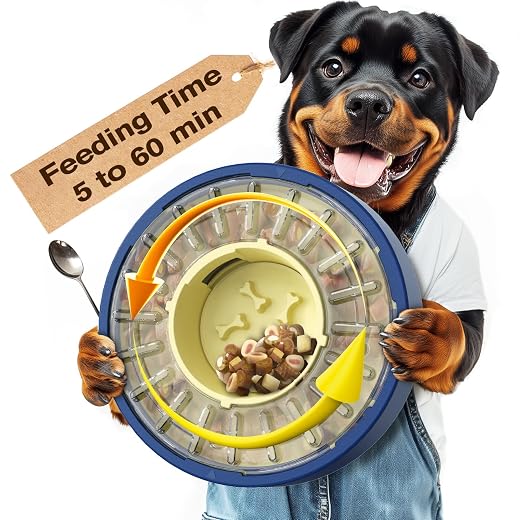
KADTC Innovative Dog Puzzle Feeder
Improves digestion and slows eating pace
This unique spinning dog feeder encourages slower eating habits and aids digestion by dispensing food gradually. Designed without power, it offers a fun and engaging mealtime experience for your pet.
View Price at Amazon.com
  • Fast eaters can develop digestive issues.
  • Mental stimulation helps reduce boredom and anxiety.
  • Engaging toys can keep pets physically active.

Key Insights

  • Slowing Down Eating: Puzzle toys make pets work for their food, encouraging them to eat slowly.
  • Cognitive Engagement: These toys challenge pets and promote problem-solving skills.
  • Reduces Whining and Pacing: Bored pets tend to behave destructively; engaging toys can help.
  • Promotes Healthier Eating Habits: Slower feeding reduces the risk of obesity and related diseases.
  • Suitable for All Pets: There are puzzles for various skill levels and pet types.

Expert Tips

Here are some veterinarian-style recommendations for using puzzle toys effectively:

  • Start Simple: Choose basic puzzles for beginners, then gradually increase difficulty.
  • Monitor Playtime: Always watch your pet while they use the toy to prevent choking.
  • Encourage Exploration: Let your pet discover how the toy works to enhance learning.
  • Use as Treat Dispensers: Instead of meals, use puzzle toys as a way to dispense treats.
  • Rotate Toys: Keep the toys fresh by rotating them regularly to maintain your pet’s interest.

Best Products or Treat Types

While we won’t mention brands, here are some types of puzzle toys and treat options you can consider:

Must-Have
PETSTA Interactive Dog Puzzle Toy
Enhances IQ and training for pets
This treat-dispensing puzzle toy stimulates your dog's mind while maximizing slow feeding time, ensuring they stay entertained and engaged during mealtimes.
View Price at Amazon.com
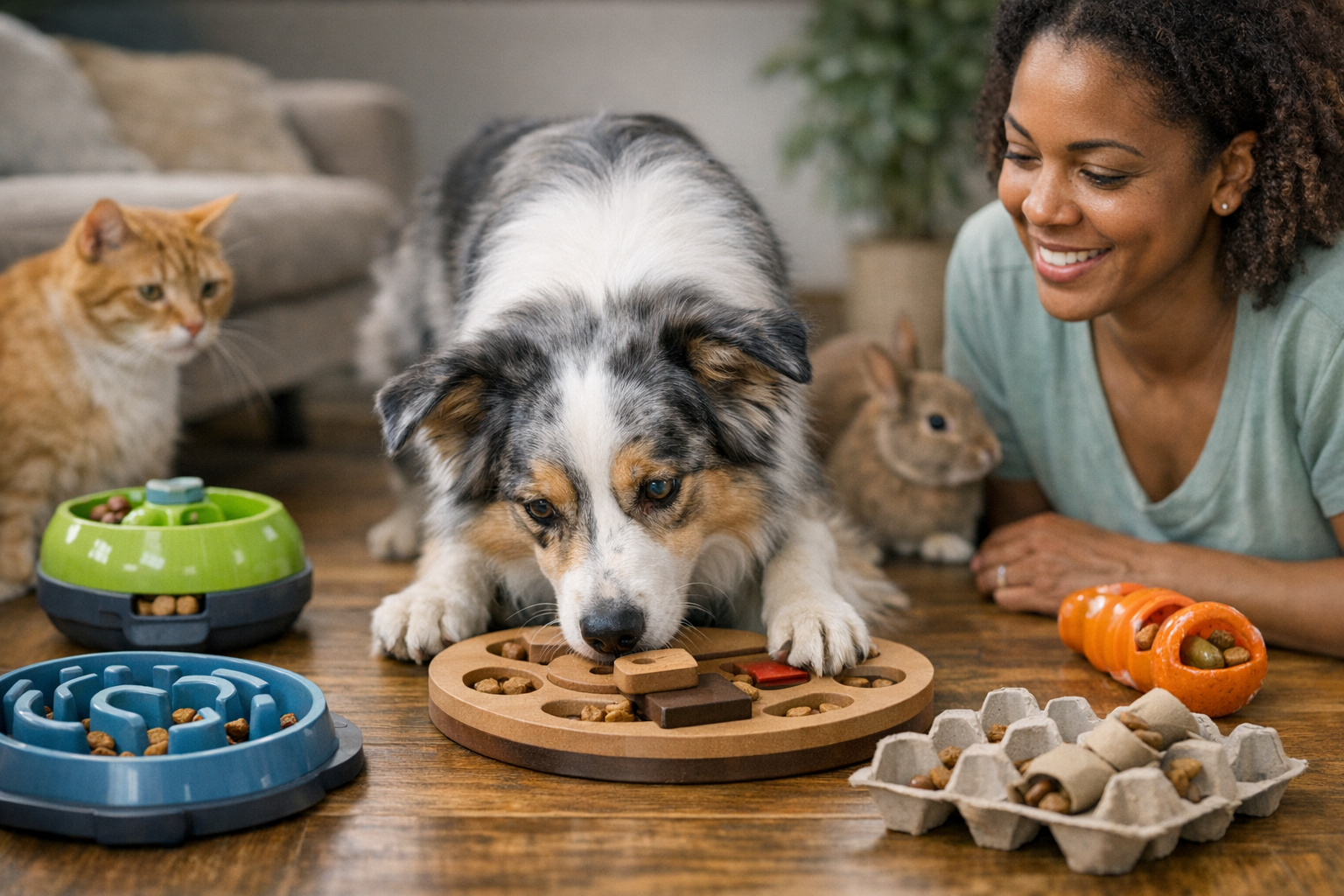
  • Interactive Feeders: Slow-feed bowls have obstacles that require pets to navigate to get food.
  • Maze Toys: Toys shaped like mazes encourage pets to roll or manipulate to access treats.
  • Hide-and-Seek Toys: Toys with hidden compartments make pets figure out how to find the food inside.
  • Stuffable Toys: Fillable toys can hold a mix of wet and dry foods as a challenging meal option.
  • DIY Puzzle Toys: You can make your own puzzles using common household items like boxes or bottles.

Common Mistakes to Avoid

To get the best results from puzzle toys, avoid the following pitfalls:

  • Too Difficult: Choosing toys that are too complex can frustrate your pet and discourage them.
  • Ignoring Size: Make sure the toy is appropriate for your pet’s size to prevent choking hazards.
  • Overfilling the Toy: Filling a toy with too many treats can lead to overeating; use moderation.
  • Insufficient Supervision: Never leave your pet unsupervised with new toys until you’re sure they are safe.
  • Neglecting Cleanliness: Regularly clean toys to keep them free from bacteria and dirt.

FAQs

1. How often should I use puzzle toys with my pet?

It’s beneficial to incorporate puzzle toys into your pet’s routine several times a week. You can use them daily if your pet enjoys them.

2. Can puzzle toys help with separation anxiety?

Yes! Puzzle toys can keep your pet busy and engaged during times when you are away, which may help reduce anxiety.

Trending Now
Adjustable Dog Treat Dispensing Toy
Encourages play and controlled feeding
Combining play with reward, this adjustable toy dispenses treats as your dog plays, promoting healthy eating habits while keeping them entertained.
View Price at Amazon.com

3. What if my pet doesn’t seem interested in the puzzle toy?

If your pet isn’t interested, start with simpler toys or try using their favorite treats to grab their attention.

4. Are there any age restrictions for using puzzle toys?

Puzzle toys can be suitable for pets of all ages, but ensure they are safe and appropriate for your pet’s age and skill level.

Hot Pick
DR CATCH Enrichment Dog Puzzle
Promotes mental stimulation and slower feeding
Designed for interaction, this puzzle toy helps pets eat slower while sharpening their cognitive skills, making mealtime a fun and rewarding challenge.
View Price at Amazon.com

5. How can I tell if a toy is suitable for my pet?

Check for size recommendations, durability, and materials used. Always choose toys designed for your pet’s breed and size.

Conclusion

Puzzle toys are an excellent addition to your pet’s feeding routine. They help slow down eating while providing valuable mental stimulation. By using these toys wisely, you can improve your pet’s eating habits and overall well-being. Remember to choose suitable toys, monitor your pet’s interactions, and keep it fun. Your furry friend will thank you with wagging tails and happy purrs!


TweetShareShare
Previous Post

What to Do If Your Pet Eats Chocolate or Xylitol: An Emergency Guide

Next Post

The Science of Smell: Why Dogs Go Crazy for Certain Treat Textures

Related Posts

Teaching Your Dog to Greet People Politely (No Jumping)

August 25, 2026

Using Treats to Build a Solid Bond with a Newly Adopted Dog

August 22, 2026

Desensitizing Your Dog to the Vacuum Cleaner Using Treats

August 19, 2026

When to Worry About Weight Loss or Gain on a New Treat Regimen

August 15, 2026

The Hidden Sugars in Pet Treats: What to Look for and Why it Matters

August 14, 2026

The ‘Find It’ Game: A Great Way to Practice Impulse Control

August 7, 2026

Teaching Your Dog to Clean Up Spills with a Treat Reward

August 4, 2026

Introducing the Whistle: Pairing Sound with Treats for Recall

August 1, 2026
Load More
Next Post

The Science of Smell: Why Dogs Go Crazy for Certain Treat Textures

Please login to join discussion

Popular Post

  • How Diet and Treats Can Affect Your Dog’s Urine pH Level

    0 shares
    Share 0 Tweet 0
  • Review: The Best Calming Cat Treats for Vet Visits and Travel (2026)

    0 shares
    Share 0 Tweet 0
  • Teaching Your Dog to Greet People Politely (No Jumping)

    0 shares
    Share 0 Tweet 0
  • The Best Diets and Treats for Pets with Megaesophagus (Swallowing Issues)

    0 shares
    Share 0 Tweet 0
  • Best High-Fiber Treats for Dogs with Anal Gland Issues

    0 shares
    Share 0 Tweet 0
  • Using Treats to Build a Solid Bond with a Newly Adopted Dog

    0 shares
    Share 0 Tweet 0

About Us

Treat Ninja is here to help guide you through the world of pets and their health through positive reinforcement.

Recent News

How Diet and Treats Can Affect Your Dog’s Urine pH Level

August 27, 2026

Review: The Best Calming Cat Treats for Vet Visits and Travel (2026)

August 26, 2026

© 2025 Your Guide to a Happier Pet.

Welcome Back!

Login to your account below

Forgotten Password?

Retrieve your password

Please enter your username or email address to reset your password.

Log In
No Result
View All Result
  • Home
  • Health & Safety
    • Dental Health
    • General Health
    • Gut Health
    • Human Food Safety
    • Medical Conditions
    • Nutrition Science
    • Preparation & Storage
    • Specialty Diets
  • Recipes & DIY
    • DIY Guides
    • Fruit & Veggie Recipes
  • Reviews & Buying Guides
    • Allergy & Sensitivity
    • Budget Picks
    • Cat Specific
    • Lifestage & Lifestyle
    • Luxury & Gifts
    • Product Comparisons
    • Product Roundups
    • Single-Ingredient
    • Specialty Pets
  • Training & Strategy
    • Anxiety & Calming
    • Behavior Modification
    • Enrichment
    • Motivation & Reward
    • Training Techniques

© 2025 Your Guide to a Happier Pet.