


The Science of Smell: Why Dogs Go Crazy for Certain Treat Textures
Have you ever wondered why your dog seems to become a whirlwind of excitement at the sight of certain treats? It’s all about the science of smell and texture! Understanding this can help you choose the best treats for your furry friend and make training sessions even more successful.
Why This Topic Matters for Pet Parents
Grasping why dogs react so strongly to certain treat textures can enhance your experience as a pet parent. Here’s why it’s important:
- Improves treat selection for training and rewards.
- Helps in recognizing signs of preference and enjoyment in your dog.
- Encourages better bonding through shared experiences over treats.
Key Insights
- Dogs Have a Remarkable Sense of Smell: Dogs have over 220 million scent receptors, compared to humans’ 5 million.
- Texture Matters: Different textures can create varying mouthfeel sensations, which can enhance or detract from a dog’s enjoyment.
- Chewing is Natural: Many dogs love chewy textures, as this mimics natural behaviors like chewing bones.
- Soft vs. Hard Treats: Soft treats are easier to chew and can be more appealing during training, while harder treats are great for dental health.
- Flavor Combinations: Often, the combination of smell and texture leads to heightened interest in treats.
Expert Tips
Here are some veterinarian-style recommendations when selecting treats for your dog:
- Know Your Dog: Different breeds and ages have varied preferences. Experiment with different textures to discover what your dog enjoys most.
- Use Treats for Training: Soft, smelly treats work well for training sessions as they can grab your dog’s attention quickly.
- Check for Ingredients: Look for natural ingredients that are high in protein. Avoid artificial colors and flavors.
- Rotate Treats: Don’t stick to one kind of treat; mixing it up keeps your dog interested.
- Watch for Allergies: Always introduce new treats slowly to monitor for any allergic reactions.
Best Products or Treat Types
While there are many brands to choose from, focusing on the types of treats can also help:
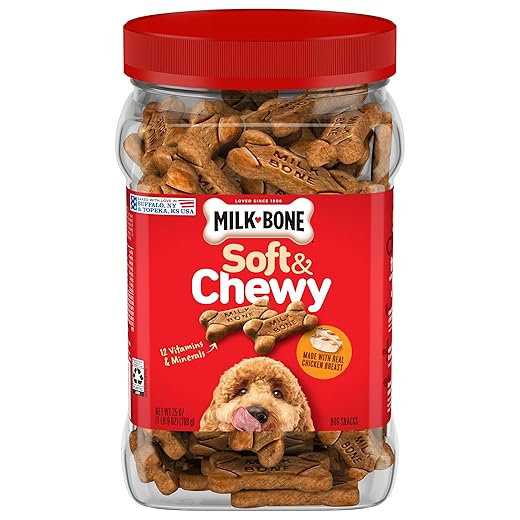
- Chewy Treats: These are great for training and can be broken into smaller pieces.
- Crunchy Biscuits: These help clean teeth while providing a satisfying crunch.
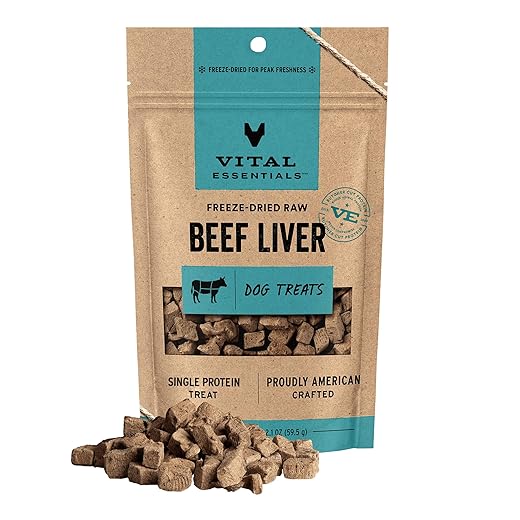
- Freeze-Dried Treats: These often retain more natural flavors and can smell very enticing to dogs.
- Rawhide Alternatives: These provide the chewiness dogs crave without the risks associated with traditional rawhide.
- Pâté or Spreadable Treats: Great for mixing with toys or using during interactive playtime.
Common Mistakes to Avoid
Here are some common pitfalls when it comes to giving your dog treats:
- Overindulgence: Giving too many treats can lead to obesity.
- Ignoring Freshness: Treats lose their appeal over time. Always check expiration dates and replace old treats.
- Not Considering Dental Health: Some treats can be bad for teeth. Choose appropriately based on your dog’s dental needs.
- Using Treats as the Only Reward: Combine treats with verbal praise and affection for a well-rounded reinforcement strategy.
- Missing Out on Training Opportunities: Use mealtime kibble as a treat during training to save money and enhance focus.
FAQs
1. Why do dogs prefer soft treats over hard ones?
Soft treats are easier to chew and usually have a stronger smell, which draws in dogs quickly, making them perfect for training.
2. Can certain textures cause dental problems?
Yes, some hard treats can be too tough and may cause broken teeth. Balance is key—choose appropriate textures for your dog’s age and dental health.
3. Are homemade dog treats better than store-bought?
Homemade treats can be customized for your dog’s preferences and allergies; however, they require careful ingredient selection to ensure balanced nutrition.
4. How can I tell if my dog likes a treat texture?
Watch for tail wagging, excitement during treat time, or enthusiastic chewing. If they leave a treat uneaten, it might not be appealing to them!
5. Should I switch up treats frequently?
Yes, rotating treats can keep your dog interested and engaged, preventing boredom during training and reward sessions.
6. What if my dog doesn’t respond to treats at all?
Every dog is different. Try different types of motivators—some may respond better to toys or playtime instead of food.
Conclusion
The science of smell and treat texture can greatly influence your dog’s enjoyment and engagement. Understanding these aspects helps you become a better pet parent. Remember, each dog has unique preferences, so experiment with different textures and types to find the perfect fit for your furry companion. By keeping these expert tips and insights in mind, you can enhance training, strengthen your bond, and ensure a happy dog.