



The Best Treats for Cats with Kidney Disease (Phosphorus-Controlled)
Choosing the right treats for your cat with kidney disease can be challenging. Cats with this condition require special diets that are lower in phosphorus to help manage their health. This article will guide you to the best phosphorus-controlled treats to keep your furry friend happy and healthy.
Why This Topic Matters for Pet Parents
Kidney disease is a common issue among cats, especially as they age. It affects how their bodies filter waste and can lead to serious health problems. As a pet parent, knowing how to choose the right treats is essential for managing your cat’s condition. The right treats can provide enjoyment while also being safe and beneficial for their health.
Key Insights
- Kidney disease affects a cat’s metabolism and nutrient absorption.
- Phosphorus control is crucial for slowing the progression of kidney disease.
- Low-phosphorus treats can still be tasty and enjoyable for your cat.
- Always consult with your veterinarian before changing your cat’s diet.
- Hydration is important; fresh water should always be available.
Expert Tips
Here are some recommendations from veterinarians to keep in mind when selecting treats for your cat with kidney disease:
- Consult Your Vet: Always discuss any dietary changes with your veterinarian, especially for a cat with kidney disease.
- Read Labels: Always check the nutritional content and specifically look for phosphorus levels.
- Choose Quality Ingredients: Look for treats made from real meats, rather than by-products or fillers.
- Consider Homemade Treats: If your vet approves, homemade treats can be a great option to control ingredients and phosphorus levels.
- Monitor Portion Sizes: Keep treats to a small percentage of your cat’s daily diet to maintain a balanced nutrition plan.
Best Products or Treat Types
Here are some of the best types of treats for cats with kidney disease that are low in phosphorus:
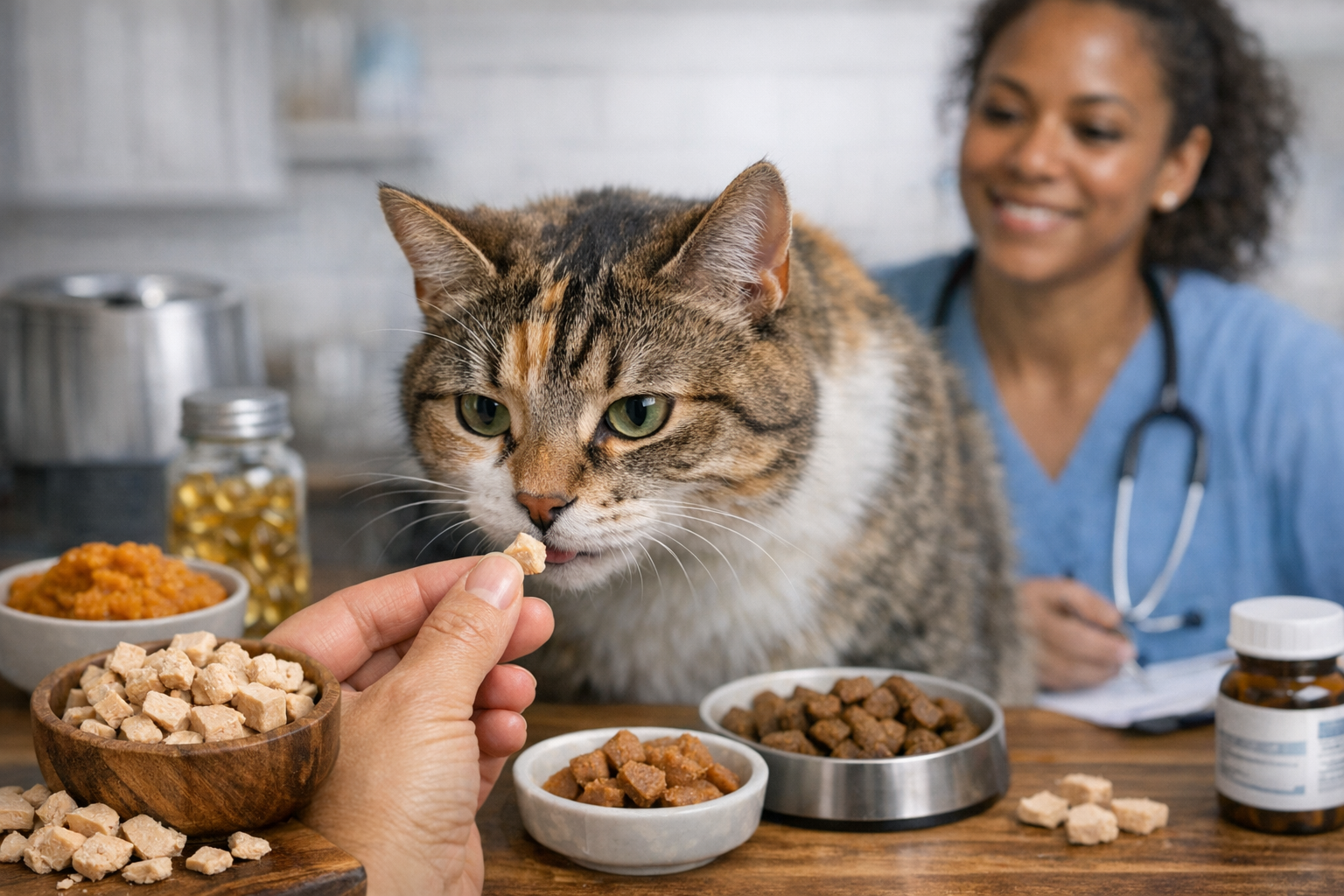
- Dehydrated Meat Treats: Freeze-dried chicken or turkey are great options. They are often low in phosphorus and high in protein.
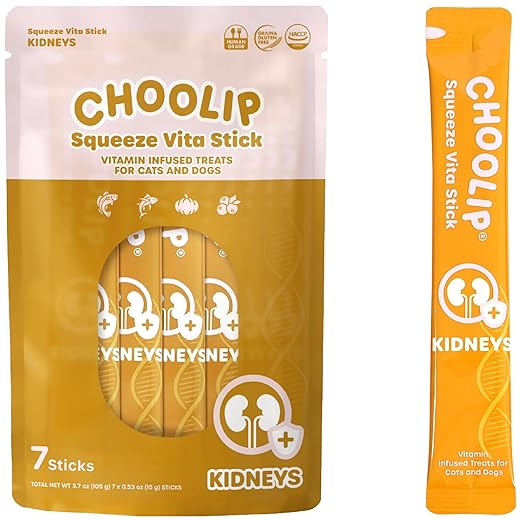
- Low-Phosphorus Soft Treats: Look for soft treats specifically designed for kidney health. These are often easy for cats to chew and digest.
- Fish Oil Treats: Omega-3 fatty acids from fish oil can be beneficial for kidney health. Just ensure they are low in phosphorus.
- Pureed Treats: Treats that contain squash or pumpkin can be low in phosphorus and provide fiber.
- Prescription Treats: There are specially formulated veterinary treats available that are specifically designed for cats with kidney disease.
Common Mistakes to Avoid
When it comes to feeding treats to a cat with kidney disease, avoid these common mistakes:
- Ignoring Phosphorus Levels: Many treats may seem harmless but can contain high phosphorus levels. Always check labels.
- Overfeeding Treats: Treats should not exceed 10% of your cat’s daily caloric intake. Too many treats can upset their diet.
- Skipping Vet Consultations: Never make dietary changes without consulting your vet first.
- Substituting Treats for Meals: Treats are not a replacement for balanced meals. Ensure your cat gets complete nutrition.
- Ignoring Hydration: Cats with kidney issues need to stay hydrated. Always offer fresh water to complement their diet.
FAQs
1. What is kidney disease in cats?
Kidney disease in cats is a condition that impairs the kidneys’ ability to filter waste from the blood. It often leads to serious health issues and requires careful management of diet and hydration.
2. Why is phosphorus control important?
High phosphorus levels can worsen kidney function in cats. Controlling phosphorus intake helps slow the progression of kidney disease and keeps your cat healthier longer.
3. Can I give my cat regular treats?
Many regular treats are high in phosphorus and not suitable for cats with kidney disease. Always choose phosphorus-controlled treats that align with their dietary needs.
4. How can I ensure my cat is eating enough?
Make sure to provide variety in their diet and monitor their food and treat intake. If you notice changes in appetite, consult your veterinarian.
5. Are there any homemade treat recipes I can try?
Yes! Simple recipes using low-phosphorus ingredients like chicken or pumpkin can be made at home. Always get vet approval for recipes.
6. How often can I treat my cat?
Treats should be given in moderation. Aim for treats to comprise about 10% of their daily caloric intake.
Conclusion
Selecting the right treats for your cat with kidney disease is crucial for their health. By focusing on phosphorus-controlled options and following veterinarian recommendations, you can help your beloved pet enjoy delicious treats without compromising their well-being. Remember to consult your veterinarian regularly to ensure that your cat’s dietary needs are being met, keeping them happy and healthy for years to come.