
Desensitizing Your Dog to the Vacuum Cleaner Using Treats
Many dogs are afraid of vacuum cleaners, which can lead to stress for both pets and their owners. This guide will help you gentle your dog’s fears by using treats to desensitize them to the sound and presence of the vacuum cleaner.
Why This Topic Matters for Pet Parents
Understanding why dogs fear vacuum cleaners is crucial for pet parents. Common issues include:
- Increased anxiety and stress for the dog.
- Negative behaviors like barking, hiding, or destructive actions during vacuuming.
- Vacuuming can become a stressful household event for both pets and their owners.
Key Insights
- Many dogs perceive the vacuum cleaner as a threat due to its loud noise and unusual appearance.
- Desensitization is a gradual process that requires patience and consistency.
- Using treats creates positive associations for your dog with the vacuum cleaner.
Expert Tips
Here are some veterinarian-style recommendations to help with the desensitization process:
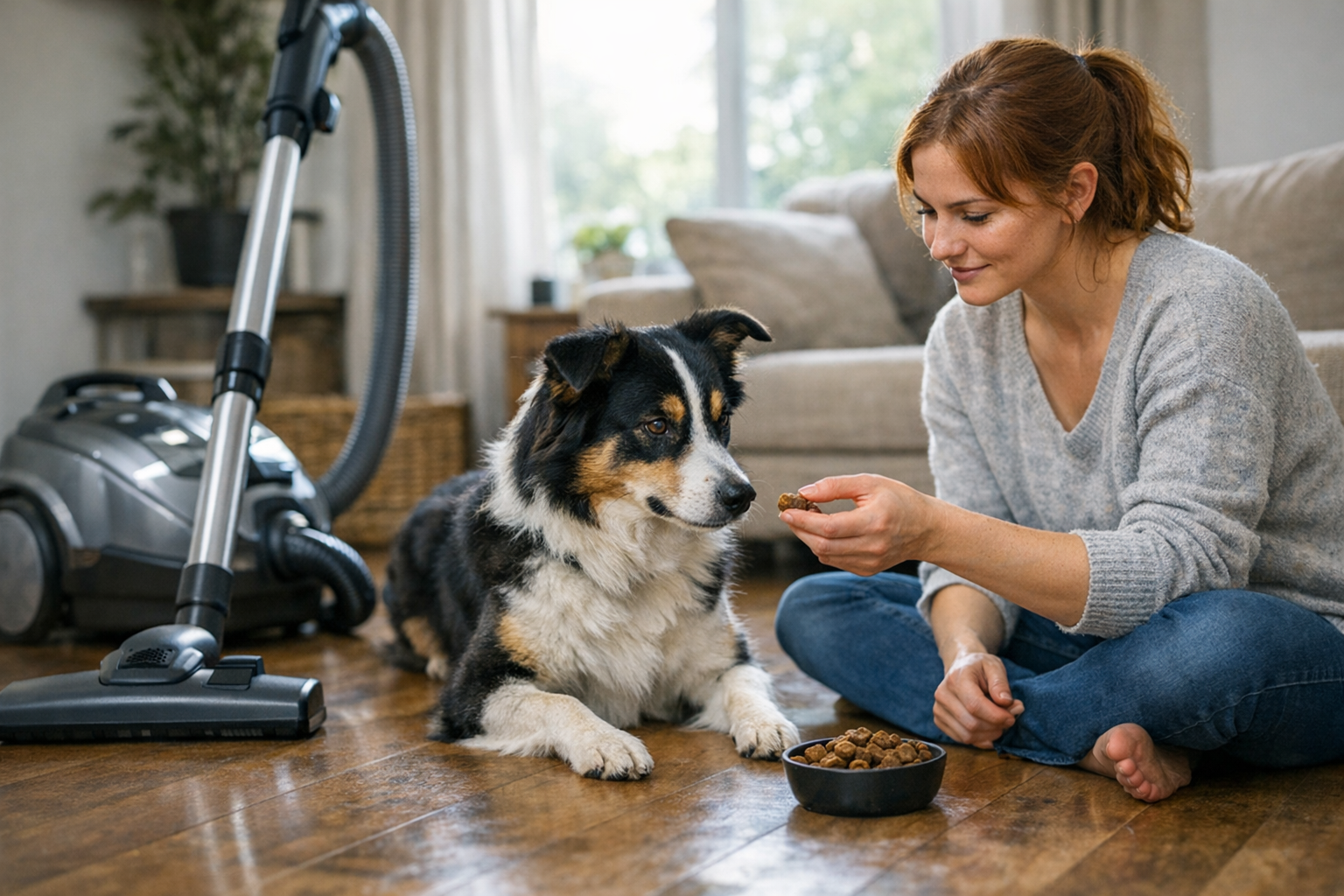
- Start Small: Introduce your dog to the vacuum when it’s off and far away.
- Use High-Value Treats: Choose treats your dog loves to encourage positive associations.
- Gradual Exposure: Slowly move closer to the vacuum over several sessions, rewarding good behavior.
- Practice Sound Exposure: Play recordings of vacuum sounds at a low volume while giving treats.
- Be Patient: Every dog is different; allow them to set the pace.
Best Products or Treat Types
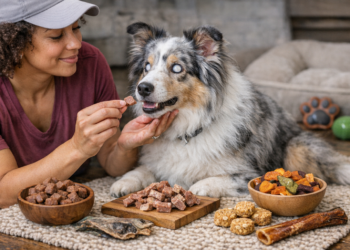
When selecting treats for desensitizing your dog, consider these options:
- Soft Chewy Treats: Easy to chew and can be broken into smaller pieces.
- Freeze-Dried Meat Treats: Highly enticing and can motivate even the pickiest eaters.
- Pumpkin or Sweet Potato Chews: A healthy option that many dogs enjoy.
- Stuffed Kongs: Fill with peanut butter or yogurt to keep your dog busy while you vacuum.
Common Mistakes to Avoid
- Rushing the Process: Moving too quickly can increase anxiety rather than lessen it.
- Ignoring Signs of Fear: If your dog shows signs of stress, take a step back and adjust your approach.
- Using the Vacuum Too Soon: Don’t turn it on before your dog is comfortable being near it.
- Failing to Reward Consistently: Rewarding your dog each step of the way is crucial for positive reinforcement.
FAQs
1. How long does it take to desensitize my dog to the vacuum cleaner?
Every dog is different; it may take days to weeks. The key is to progress at your dog’s pace.
2. What should I do if my dog won’t approach the vacuum at all?
Try placing treats around the vacuum and gradually encourage your dog to explore the area without forcing them.
3. Can I leave the vacuum cleaner out all the time to help my dog get used to it?
Yes! Leaving it out can help your dog get accustomed to its presence, but continue monitoring their comfort level.
4. Should I let my dog see me using the vacuum?
It’s best to let your dog observe from a distance initially. Reinforce calm behavior with treats.
5. What if my dog is still scared after trying these methods?
If your dog continues to fear the vacuum, consider consulting a professional dog trainer or behaviorist for personalized guidance.
6. Are there any calming aids I can use for my dog?
Natural calming supplements, like those containing chamomile or valerian root, can also help ease anxiety.
Conclusion
Desensitizing your dog to the vacuum cleaner takes time and patience, but using treats can make the process smoother. By creating positive associations with the vacuum, you help reduce your dog’s stress and improve your household environment. Remember to be consistent, and don’t hesitate to seek help if needed. Your calm, confident approach will help your dog learn to accept the vacuum without fear!