
Training Your Dog to Stay in the Yard: Boundary Awareness with Treats
Teaching your dog to stay in the yard is an important skill that keeps them safe and gives you peace of mind. Using treats in your training can make it a fun experience for both of you. In this article, we will explore why boundary awareness matters, practical tips for training, and helpful products to support your efforts.
Why This Topic Matters for Pet Parents
Learning to stay within the yard helps protect your dog from many dangers. Here are some reasons why it’s crucial:
- Safety from traffic or wild animals
- Prevention of escapes and getting lost
- Reducing the chances of injury from other pets
- Enhanced peace of mind for pet parents
Key Insights
Understanding how dogs learn can greatly enhance your training process. Here are some key insights:
- Dogs rely on consistent cues and positive reinforcement.
- Boundary training is best taught in a safe environment.
- Using treats can motivate your dog to obey boundaries.
- Short and fun training sessions are more effective.
Expert Tips
Veterinary experts recommend several strategies for training your dog to recognize and respect yard boundaries:
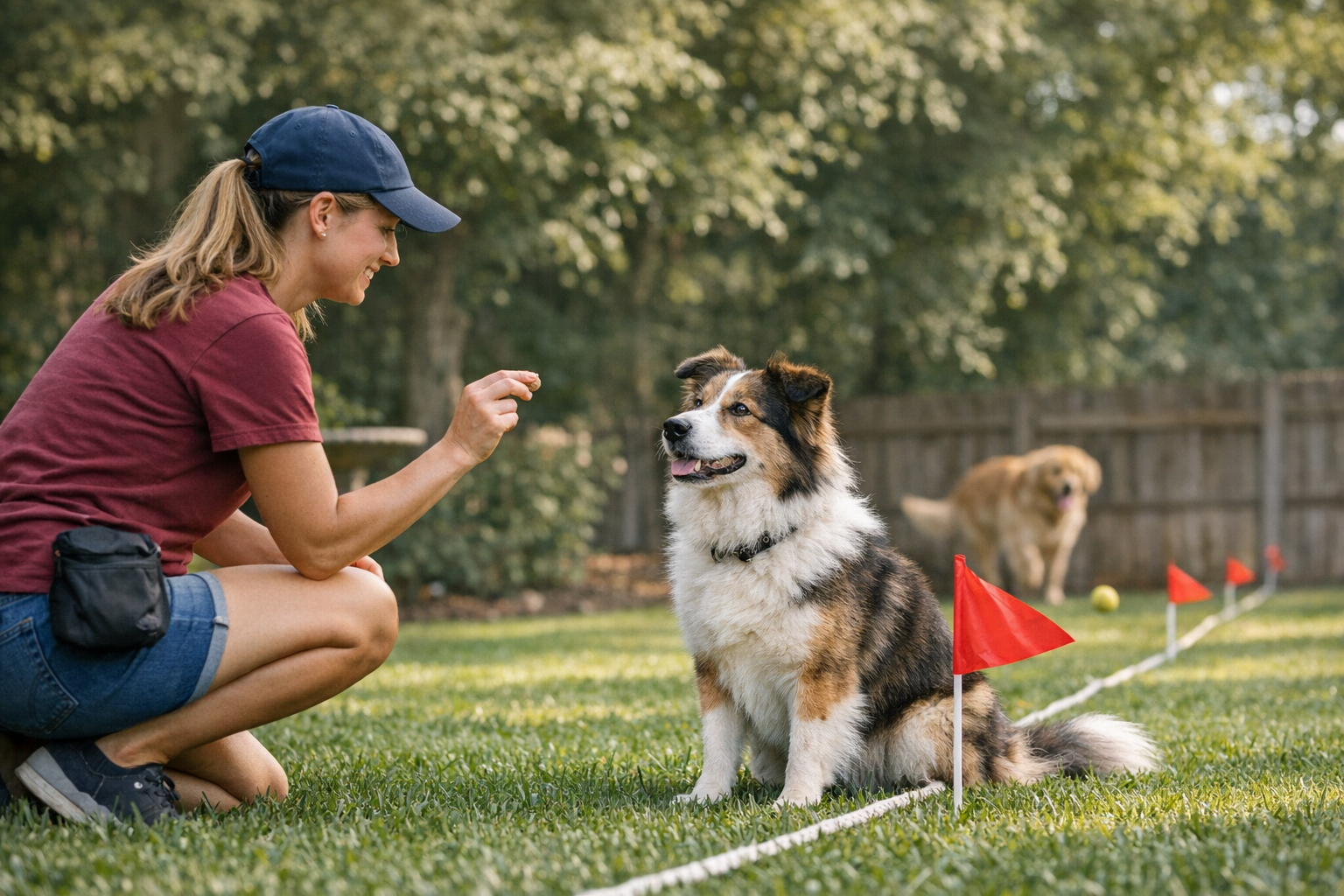
- Start Small: Begin with a small area of your yard. Gradually increase the training area as your dog learns.
- Use Visual Boundaries: You can use flags or markers to help visually define the boundary for your dog.
- Create a Command: Teach your dog a specific command like “stay” or “boundaries” that signals they should not cross.
- Positive Reinforcement: Reward your dog with treats or praise when they remain within the area.
- Be Consistent: Use the same cues and rewards in every session to avoid confusion.
- Gradual Exposure: Once your dog is comfortable, gradually introduce distractions, like toys or other pets, to reinforce boundary respect.
Best Products or Treat Types
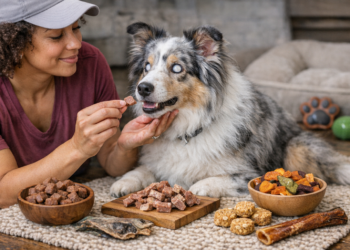
Using the right treats can make your training sessions enjoyable and effective. Here are some suggestions for treats to consider:
- Soft Chewy Treats: Easy to chew while training, they can be quickly rewarded.
- Small Crunchy Treats: These can be stored easily in your pocket; perfect for training on-the-go.
- Homemade Treats: You can make low-calorie options using dog-safe ingredients to keep your pup healthy.
- Treats with High Value: Use special treats like those made from chicken or beef that your dog loves.
Common Mistakes to Avoid
Training your dog to stay in the yard can be challenging, but avoiding common mistakes can help:
- Inconsistency in Training: Changing commands or limits can confuse your dog. Stick to a routine.
- Training in Distractions: Starting outside with many distractions can overwhelm your dog. Begin in a quiet area.
- Using Negative Reinforcement: Punishment can create fear. Focus on positive reinforcement instead.
- Long Training Sessions: Keep sessions short (10-15 minutes) to maintain your dog’s attention.
FAQs
1. How long will it take for my dog to learn boundaries?
The time it takes varies by dog. Some dogs learn quickly within a few weeks, while others may need several months of consistent training.
2. What if my dog keeps wandering out of the yard?
You may need to start retraining in a smaller, more controlled space. Gradually expand their training area as they learn.
3. Are there specific breeds that are easier to train?
Generally, intelligent breeds like Border Collies or Golden Retrievers are easier to train. However, every dog can learn with patience and positive reinforcement.
4. What should I do if my dog escapes the yard?
Remain calm and use a leash to guide them back. Review your training to identify areas where improvement is needed, and ensure boundaries are clear.
5. Can I use a shock collar for boundary training?
Many experts recommend avoid using shock collars, as they can cause fear and anxiety. Stick with positive reinforcement methods instead.
Conclusion
Training your dog to stay in the yard is essential for their safety and your peace of mind. By using techniques like boundary cues and positive reinforcement with treats, you can help your dog understand their limits. Remember to be patient and consistent. With practice, your dog will learn to enjoy their time in the yard while staying safe.