

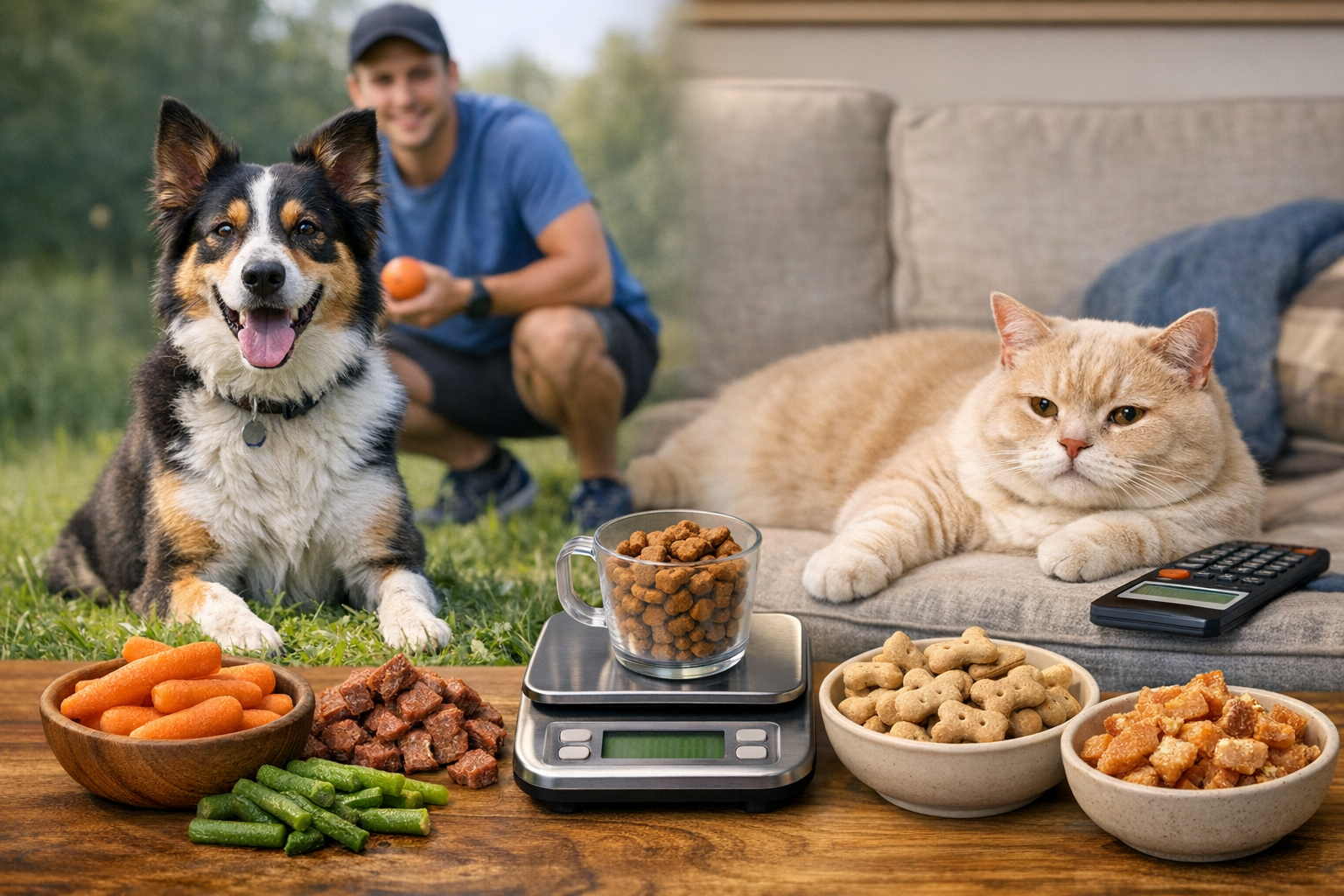
How to Adjust Treat Calories for Highly Active vs. Couch Potato Pets
Managing your pet’s calorie intake is essential for their health. Active pets and those who prefer lounging need different amounts of treats. This article will help you understand how to adjust treat calories based on your pet’s activity level.
Why This Topic Matters for Pet Parents
Understanding your pet’s caloric needs is crucial for their overall health and well-being. Here are a few reasons why adjusting treat calories is important:
- Maintains a healthy weight.
- Prevents obesity-related illnesses.
- Supports overall energy levels.
- Enhances behavior and mood.
Key Insights
Here are some key points to consider when adjusting treat calories for your pet:
- Activity Level: Highly active pets naturally burn more calories.
- Treat Type: Not all treats have the same calorie content.
- Daily Caloric Needs: Calculate based on weight and activity level.
- Portion Control: Monitor number of treats given daily.
- Health Considerations: Age, breed, and health can influence needs.
Expert Tips
Here are some veterinarian-style recommendations for adjusting treat calories:
- Calculate Daily Needs: Use a pet calorie calculator tailored to your pet’s weight and activity level.
- Use Measuring Tools: Use a measuring cup to portion treats easily.
- Choose Healthy Treats: Opt for low-calorie options like veggies or specifically formulated treats.
- Adjust Throughout Life: Reassess caloric needs as pets age or change activity levels.
- Monitor Weight: Regularly weigh your pet to track changes in weight and adjust treat intake accordingly.
Best Products or Treat Types
When choosing treats for your pets, consider these healthy options:
- Low-Calorie Biscuits: Look for biscuits designed for weight management.
- Vegetable Treats: Carrots, green beans, or sweet potatoes are great low-calorie options.
- Freeze-Dried Meat: A protein-rich option that often has fewer calories than traditional treats.
- No-Calorie Training Treats: Small sized rewards for training sessions.
- Dehydrated Treats: Often lower in calories and high in nutrients.
Common Mistakes to Avoid
Avoid these pitfalls when managing your pet’s treat calories:
- Overestimating caloric burn from playtime.
- Using table scraps as treats without considering calories.
- Ignoring the impact of small treats that add up.
- Not adjusting treat intake with changing activity levels.
- Neglecting to check calorie content on treat packaging.
FAQs
1. How can I determine my pet’s daily caloric needs?
Calculate your pet’s daily caloric needs using their weight, age, and activity level. There are many online calculators to help.
2. Can I give my pet treats every day?
Yes, but ensure that treats do not exceed 10% of their total daily caloric intake.
3. How do I know if I’m giving too many treats?
Monitor your pet’s weight and adjust treat portions if you notice any significant changes.
4. Are there any treats I should avoid?
Avoid treats high in sugar, artificial ingredients, or fats, as these can lead to health issues.
5. How often should I adjust my pet’s treat intake?
Reassess their treat intake every few months or when their activity level significantly changes.
6. What should I consider for senior pets?
Senior pets may require fewer calories, so adjust portions and opt for softer, easier-to-digest treats.
Conclusion
Adjusting treat calories for your pets based on their activity levels is vital for keeping them healthy and happy. By understanding their unique needs and avoiding common mistakes, you can ensure that they receive the right balance of nutrition and enjoyment. Remember to consult with your veterinarian for personalized advice tailored to your pet’s specific circumstances. Happy treating!