
Homemade vs. Store-Bought: Which is Truly Healthier for Your Pet?
As a pet parent, you want the best for your furry friend. This includes their food and treats. With options ranging from homemade meals to store-bought goodies, it’s important to understand what truly benefits your pet’s health. In this article, we’ll explore both sides to help you make an informed choice.
Why This Topic Matters for Pet Parents
Choosing the best food and treats for your pet can be confusing. With so many options available, understanding the nutrition and health implications can help you make better decisions. Your pet’s diet affects their overall health, energy levels, and happiness.
Key Insights
- Nutrition Balance: Pets need a balanced diet of proteins, fats, vitamins, and minerals.
- Ingredient Control: Homemade treats allow for control over what your pet consumes, avoiding fillers and preservatives.
- Cost Considerations: Store-bought treats can be more convenient, but homemade options might save money in the long run.
- Time Investment: Making homemade treats requires time and planning, while store-bought options save time.
- Veterinary Advice: Always consult your vet before making significant changes to your pet’s diet.
Expert Tips
When considering treats for your pet, keep these veterinarian-style recommendations in mind:
- Consult Your Vet: Check with your veterinarian to tailor a diet that suits your pet’s specific needs.
- Read Labels: Look for high-quality ingredients in store-bought treats. Avoid those with artificial additives.
- Portion Control: Adjust treat portions based on your pet’s overall calorie intake to prevent obesity.
- Variety is Key: Just like humans, pets enjoy variety! Mix homemade and store-bought treats for balance.
- Monitor Reactions: When introducing new homemade treats, watch for any allergies or adverse reactions.
Best Products or Treat Types
Choosing the right products or treat types is crucial for pet health. Here are some options:
- Homemade Treats:
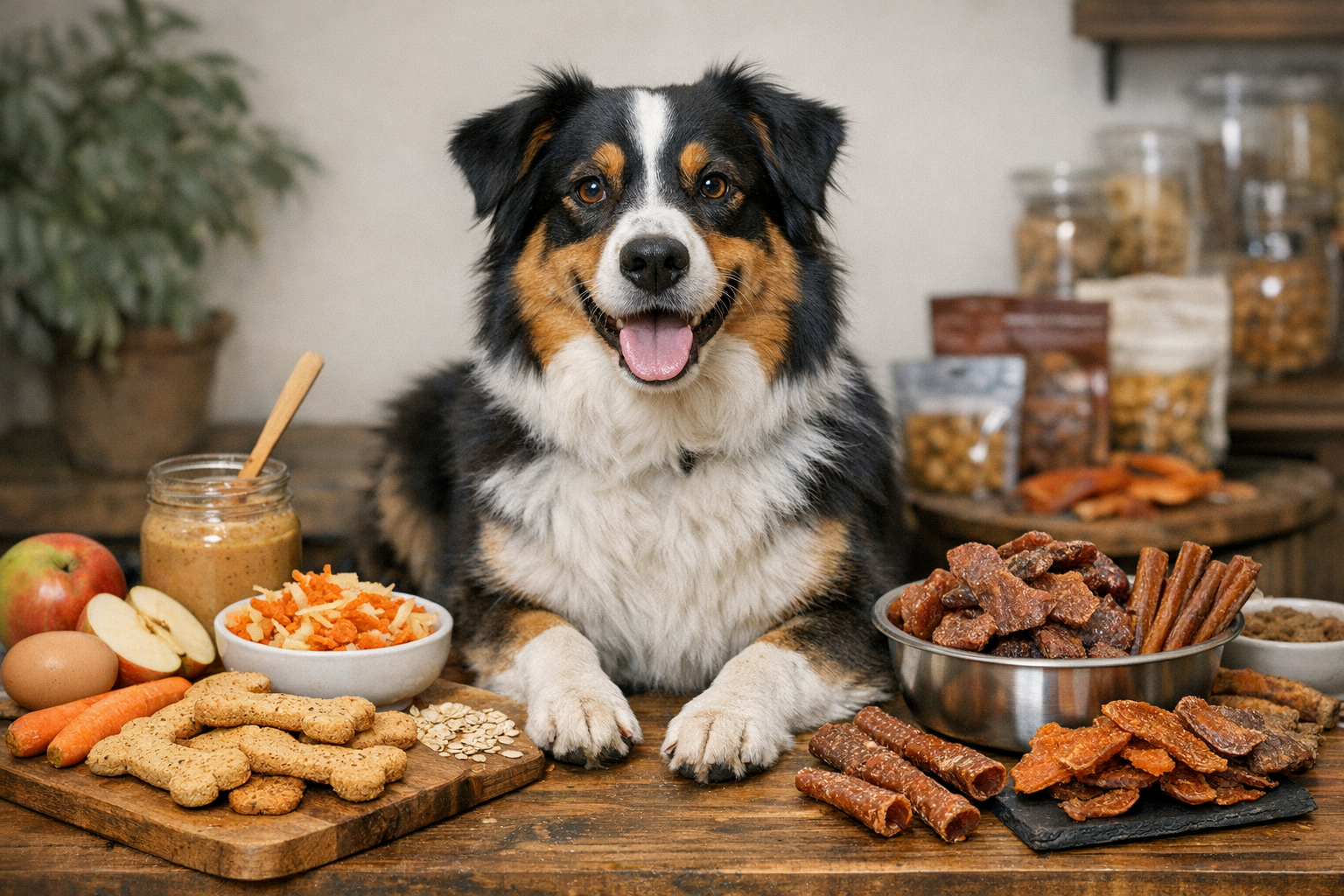
- Peanut Butter Biscuit: Uses natural peanut butter and whole wheat flour.
- Carrot and Apple Chews: Shredded carrots and apples baked into treats.
- Store-Bought Treats:
- Natural Chews: Look for bully sticks or sweet potato chews without added preservatives.
- High-Protein Snacks: Treats made from real meat (e.g., chicken or salmon) are good choices.
Common Mistakes to Avoid
Making the right decision about your pet’s treats can be tricky. Here are some common mistakes to avoid:
- Overtreating: Giving too many treats can lead to weight gain.
- Ignoring Ingredients: Not checking labels on store-bought treats can lead to unhealthy choices.
- Neglecting Variety: Feeding the same treats repeatedly can become boring for your pet.
- Assuming Homemade is Always Better: Homemade treats need to be nutritionally balanced—simply being homemade isn’t enough.
FAQs
- Can I mix homemade and store-bought treats?
Yes, mixing them can provide variety and balance in their diet. - How often should I give my pet treats?
Treats should make up no more than 10% of your pet’s daily calorie intake. - Are there any harmful ingredients to avoid in store-bought treats?
Yes, watch out for artificial flavors, colors, and preservatives. - How do I know if a homemade treat is healthy?
Use high-quality ingredients and consult with your vet for proper nutrition. - Can all pets eat the same homemade treats?
No, different pets have different dietary needs and restrictions.
Conclusion
Deciding between homemade and store-bought treats involves understanding your pet’s individual needs. Both options have their benefits and potential drawbacks. Homemade treats offer better ingredient control and can be customized, while store-bought options provide convenience. Always consult your veterinarian to ensure your pet’s diet is balanced and healthy. With a thoughtful approach, you can keep your furry friend happy and healthy!