

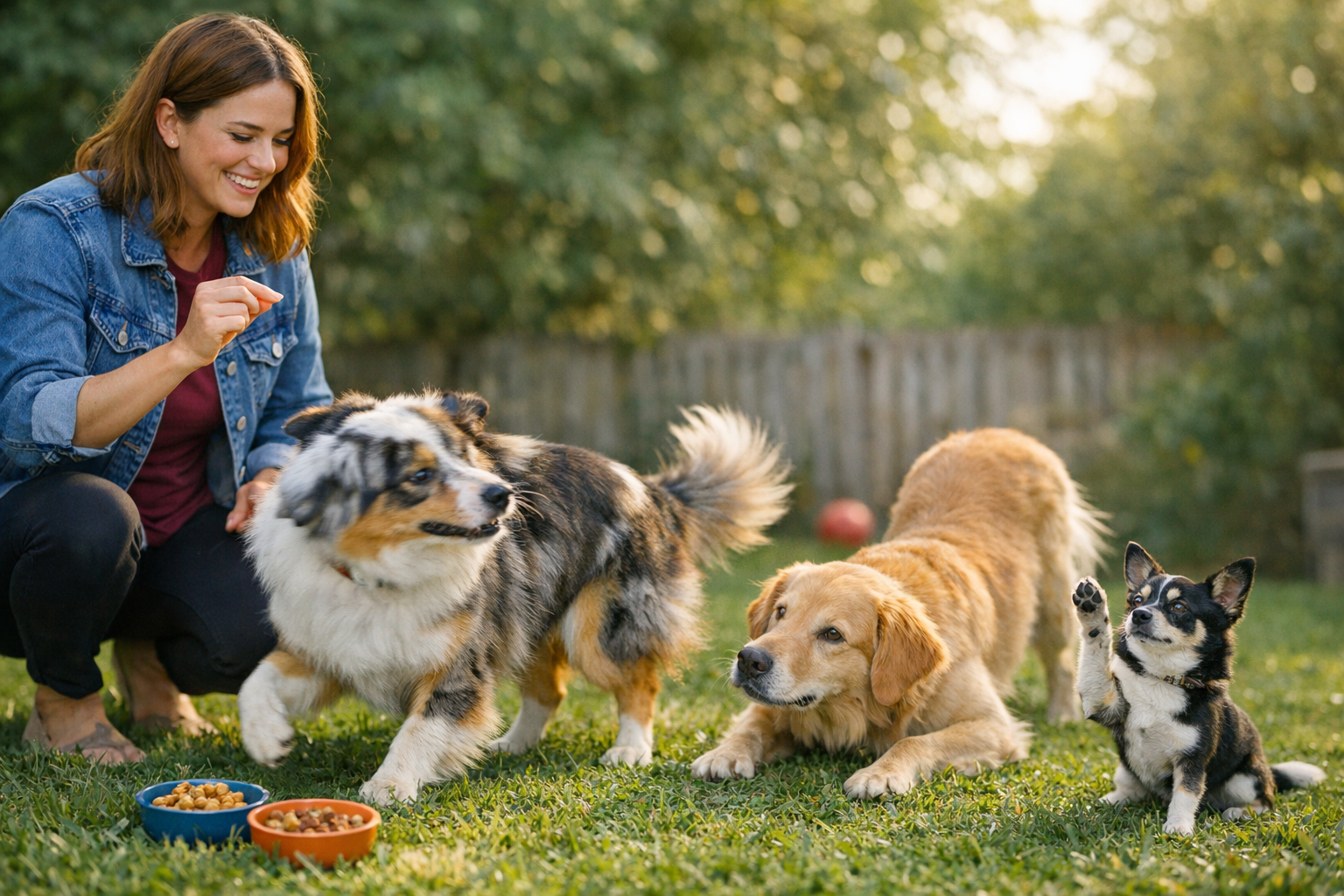
Beyond Sit and Stay: Teaching Advanced Tricks with Treats (Spin, Bow, Wave)
Learning advanced tricks like “spin,” “bow,” and “wave” can deepen the bond between you and your pet. These fun activities not only engage your pet’s mind but also provide a great way to show off their skills. Using treats wisely can make training a joyful experience for both you and your furry friend.
Why This Topic Matters for Pet Parents
Teaching your pet advanced tricks is more than just fun; it has several benefits:
- Strengthens Bond: Training helps create a closer relationship. You become a team!
- Mental Stimulation: Tricks challenge your pet’s brain, keeping them sharp and engaged.
- Great for Socialization: A well-trained pet can be more comfortable in social settings, making outings a breeze.
Key Insights
Here are some key insights to make your training effective:
- Start with the Basics: Ensure your pet has mastered basic commands before moving on.
- Use High-Value Treats: Choose treats that your pet loves. Think about what gets their tail wagging!
- Short Sessions: Keep training sessions to about 5-10 minutes to prevent burnout.
- Be Patient: Every pet learns at their own pace. Celebrate small successes!
- Consistency is Key: Use the same commands and cues each time to reinforce learning.
Expert Tips
When it comes to teaching advanced tricks, consider these veterinarian-style recommendations:
- Health Check: Always ensure your pet is healthy before starting any training. A vet check can confirm your pet is fit for physical activity.
- Mind the Weight: Use treats that are small and low-calorie to avoid overfeeding. This keeps your pet healthy while they learn.
- Positive Reinforcement: Always reward with praise, petting, and treats when your pet gets it right. This positive reinforcement builds confidence.
- Safety First: Ensure the training area is safe. Remove distractions and hazards to keep your pet focused.
Best Products or Treat Types
Choosing the right treats can make all the difference. Here are some suggestions:
- Soft Treats: Moist treats are great for training, as they are quick to chew and digest.
- Chewy Snacks: These can keep your pet motivated. Look for options that are low in calories.
- Small Bits: Tiny treats work well. They allow you to reward frequently without overindulging.
- Homemade Goodies: Consider making your own treats. Simple recipes with ingredients like peanut butter or pumpkin can be healthy and fun!
Common Mistakes to Avoid
Even experienced pet owners can make some common errors. Here’s what to watch out for:
- Timing Mistakes: Reward your pet immediately after they perform a trick. Waiting too long may confuse them.
- Overdoing It: Training too long can lead to frustration and burnout. Stick to short, frequent sessions.
- Ignoring Distractions: Train in a quiet place free from distractions. This helps your pet focus.
- Inconsistency: Changing commands, cues, or rewards can confuse your pet. Stick to a consistent approach.
FAQs
1. How long will it take to teach my dog an advanced trick?
Each dog learns at their own pace. Some may master it in a few days, while others might take several weeks. Patience is essential!
2. What if my dog doesn’t like the treats I’m using?
Try different types of treats. Your dog might prefer soft, chewy treats over crunchy ones or vice versa. Find what excites them!
3. Can I teach my cat tricks too?
Absolutely! Cats can learn tricks, though they may require different techniques. Treats work well for both cats and dogs!
4. What’s the best way to reward my pet?
Combine treats with verbal praise and affection. A happy voice or a gentle scratch behind the ears can make a big difference!
5. Is it okay to skip advanced tricks?
Of course! Advanced tricks are fun but not necessary. Stick with what your pet enjoys most.
6. When should I stop training for the day?
If your pet shows signs of frustration or disinterest, it’s time to take a break. Ending on a positive note is important!
Conclusion
Teaching advanced tricks like “spin,” “bow,” and “wave” can be a rewarding experience for both you and your pet. Use high-value treats, maintain consistency, and remember to be patient. Not only will your pet learn impressive skills, but you’ll also strengthen your bond and increase their mental stimulation. Enjoy the journey of learning together!