
The Truth About Antioxidants in Pet Treats: Real Benefits vs. Marketing Hype
Many pet parents are curious about antioxidants in pet treats. Are they just a trend, or do they really offer health benefits for our furry friends? This article explores the truth about antioxidants, what they do, and how to choose the best treats for your pet.
Why This Topic Matters for Pet Parents
Pet health is a top priority for pet owners. Understanding antioxidants and their role in pet nutrition can help you make informed choices. Here’s why it’s important:
- Helps combat oxidative stress, which can harm cells.
- May support the immune system and overall health.
- Can slow down aging and improve quality of life.
Key Insights
Here are some essential points about antioxidants in pet treats:
- Definition: Antioxidants are compounds that protect cells from damage.
- Types: Common antioxidants include vitamins A, C, E, and polyphenols from fruits and vegetables.
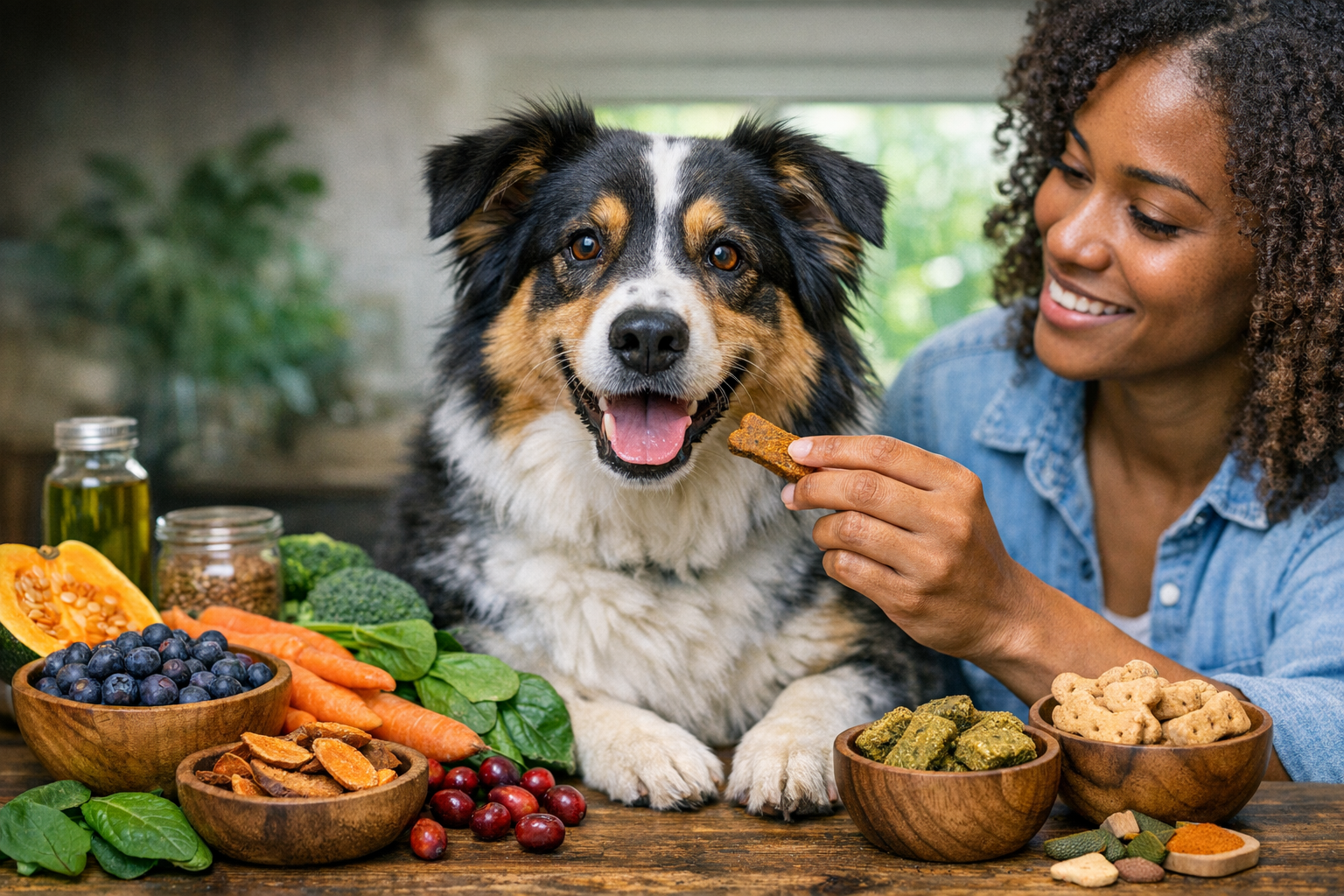
- Sources: Natural sources include blueberries, carrots, and spinach.
- Benefits: Potentially aids in preventing diseases like cancer and heart disease.
- Misconceptions: Some products may overstate their antioxidant content without solid evidence.
Expert Tips
Veterinarians recommend the following when considering antioxidants for your pet:
- Look for Whole Foods: Choose treats made with whole fruits and vegetables that are naturally high in antioxidants.
- Check Ingredients: Read labels to find sources of antioxidants, like flaxseeds or green tea.
- Limit Processed Treats: Avoid treats with artificial additives and fillers.
- Consult Your Vet: Discuss with your veterinarian before adding new supplements or treats to your pet’s diet.
- Balance is Key: Ensure your pet’s diet is well-rounded and not just focused on treats.
Best Products or Treat Types
When selecting antioxidant-rich pet treats, consider these types:
- Dehydrated Fruits: Look for treats with blueberries, cranberries, or sweet potatoes.
- Veggie Crunchies: Treats made from carrots, peas, and spinach can be excellent choices.
- Homemade Options: You can make your own treats using wholesome ingredients.
- Natural Biscuits: Many brands offer biscuits with added antioxidants from herbs and fruits.
Common Mistakes to Avoid
Here are some mistakes pet parents often make regarding antioxidants:
- Ignoring Ingredients: Not reading labels carefully can lead to choosing low-quality treats.
- Overindulging: Even healthy treats should be given in moderation to avoid weight gain.
- Believing All Marketing: Don’t take claims at face value; look for scientific backing.
- Neglecting Overall Diet: Treats should not replace a balanced, nutritious diet for your pet.
FAQs
1. What are antioxidants?
Antioxidants are compounds that help protect cells from damage caused by free radicals.
2. Do all pets need antioxidants?
Not all pets need them; it depends on their diet and health needs. Consult your vet for advice.
3. Can I give my pet human foods that have antioxidants?
Yes, but always check for safe options. Foods like blueberries and carrots are generally safe.
4. How can I tell if a treat has enough antioxidants?
Look for recognizable ingredients and credible sources. Claims should be backed by research.
5. Are there side effects to antioxidants in pet treats?
In moderation, they are usually safe. However, excessive amounts can lead to imbalances. Always talk to your vet.
6. Can I make my own antioxidant-rich treats?
Absolutely! Homemade treats can include ingredients like pumpkin, blueberries, and green beans.
Conclusion
Antioxidants can play an essential role in your pet’s health when sourced from quality, natural ingredients. Beware of marketing hype that may exaggerate their benefits. By making informed choices about pet treats and consulting with your veterinarian, you can support your pet’s health and well-being effectively. Remember that a balanced diet is key, and treats should complement, not replace, nutritious meals.